
Please note that we do not create all the designs featured in this article. Our primary focus is to curate and collect a diverse range of design collections and products to inspire and share with our audience. While we do not claim ownership or take full credit for the original designs and images, we occasionally make minor adjustments, particularly in home decor and fashion items, to present them more effectively. Additionally, we may produce and edit images to enhance their quality and composition before sharing them on our Pinterest page or website. For the design work we do on these creative designs, we also include our logo on the images shared on Pinterest and our website. This helps our audience recognize that these designs have been published on insiderlyfe.com!
Fall brunette color is mostly a question of undertone. The same depth of brown can read warm and golden or cool and smoky depending on what sits underneath it, and that single decision does more than the shade name ever will.
Each of these twelve covers what the color actually is, who it tends to suit, roughly what it takes to get there, and how it behaves as it grows out. That last part matters more than most color guides admit.
None of this replaces a consultation. But knowing the vocabulary before you sit in the chair makes the conversation considerably more useful.
Warm, Cool or Neutral: Start Here
Warm undertones pull gold, copper and red. Chestnut, caramel, auburn and cinnamon all sit here, and they tend to flatter skin with golden or olive warmth.
Cool undertones pull ash, smoke and violet. Mushroom brown, espresso and cool mahogany sit here, and they generally suit skin with pink or neutral undertones.
Neutral is the safest and hardest to achieve. It reads as brown without leaning either way, and it is the most forgiving as it grows out.
A quick guide: if gold jewelry suits you more than silver, warm shades will usually sit better. It is not a rule, but it is a reliable starting point.
1. Warm Chestnut with Golden Highlights
A mid brown with genuine warmth, lifted with fine golden pieces through the mid lengths rather than at the root.
Suits: warm and olive skin tones, and anyone whose natural brown already pulls slightly red in sunlight.
Getting there: achievable from most natural mid browns without heavy lifting. Growing out: very forgiving, since the root is left close to natural.
2. Deep Espresso
A very dark, almost black brown with cool depth and high shine. The most dramatic shade here and the most low maintenance.
Suits: cool and neutral skin tones. On very warm complexions it can look harsh, so it is worth testing against your face first.
Getting there: darkening is straightforward. Growing out: excellent, though going lighter later is a long and expensive project.
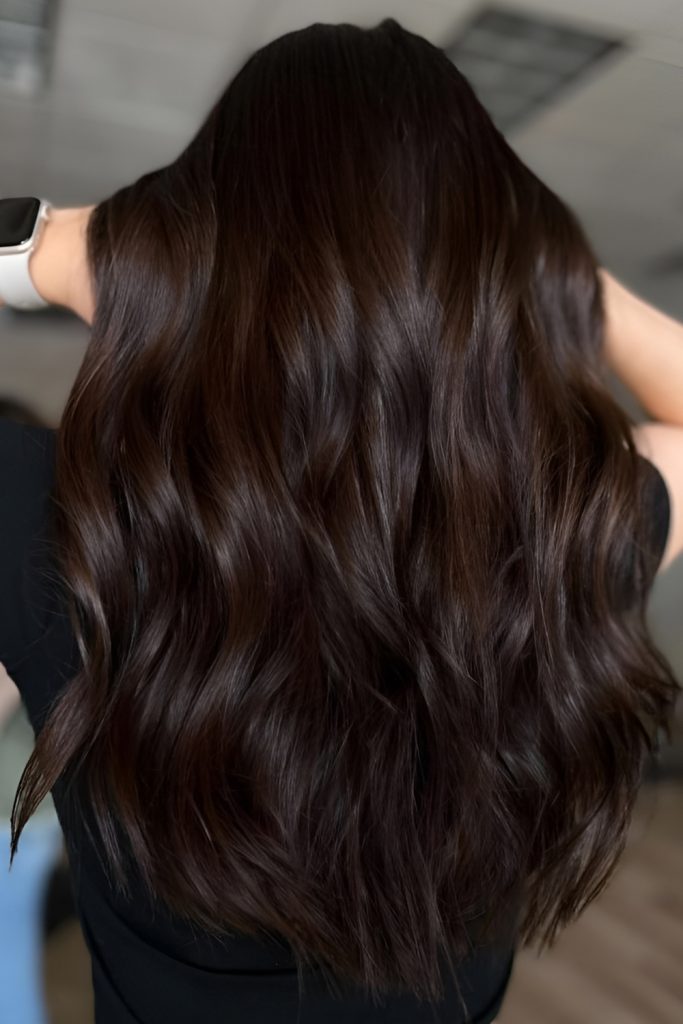
3. Caramel Balayage on Chocolate
A deep chocolate base with hand-painted caramel through the lengths and ends, blended so there is no visible line.
Suits: almost everyone, which is why it has been popular for years. The contrast can be dialled up or down.
Getting there: a full balayage appointment, several hours. Growing out: the best on this list. Balayage is designed to grow out invisibly.
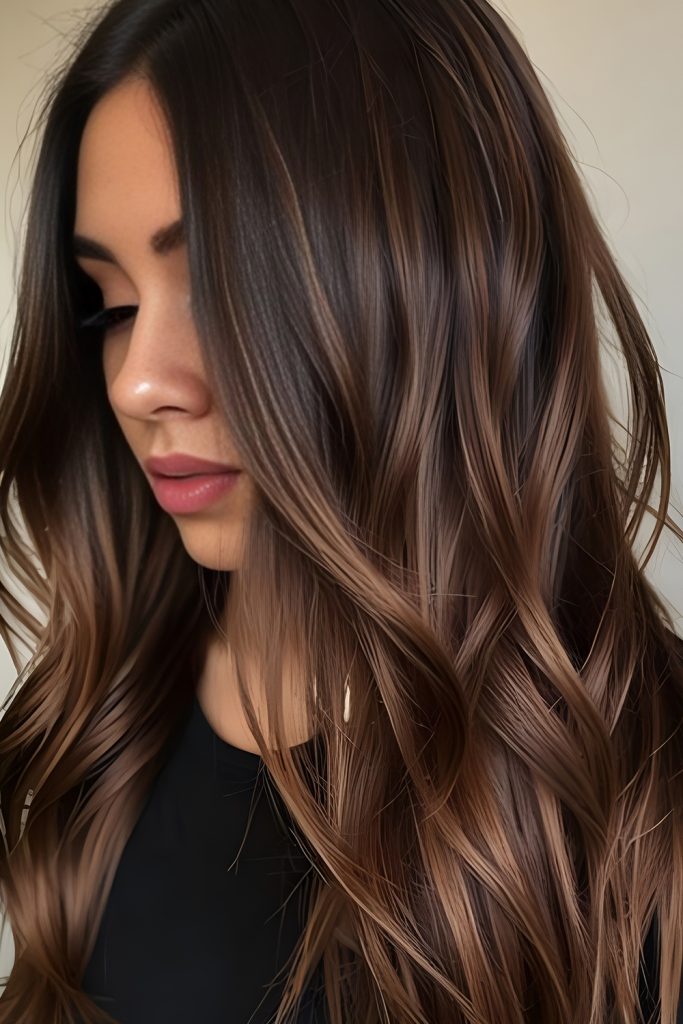
4. Auburn-Tinged Brunette
Brown with a genuine red undertone running through it, visible in daylight and subtle indoors.
Suits: warm and fair complexions especially well, and it is one of the few shades that flatters freckles rather than competing with them.
Getting there: red is the easiest tone to deposit. Growing out: good, but red fades faster than any other tone, so expect a gloss every six to eight weeks.
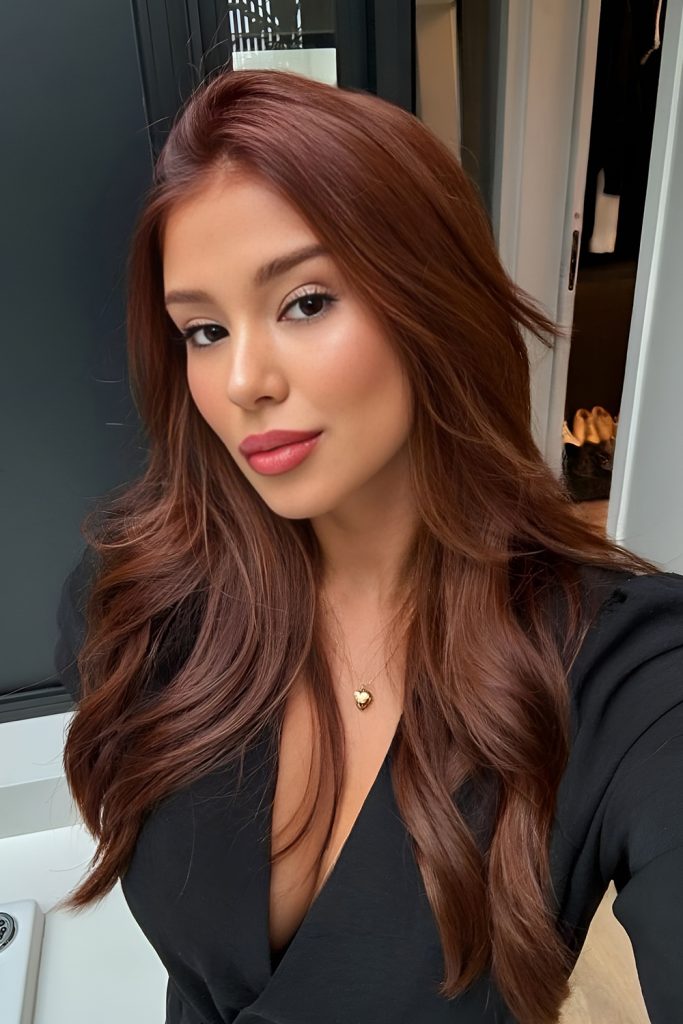
5. Dark Mocha with Honey Face-Framing
A deep neutral brown with lighter honey pieces placed only around the face, leaving the rest untouched.
Suits: anyone wanting brightness without committing to full highlights. It lifts the face specifically rather than the whole head.
Getting there: a short appointment and the cheapest option here. Growing out: very good, and easy to refresh.
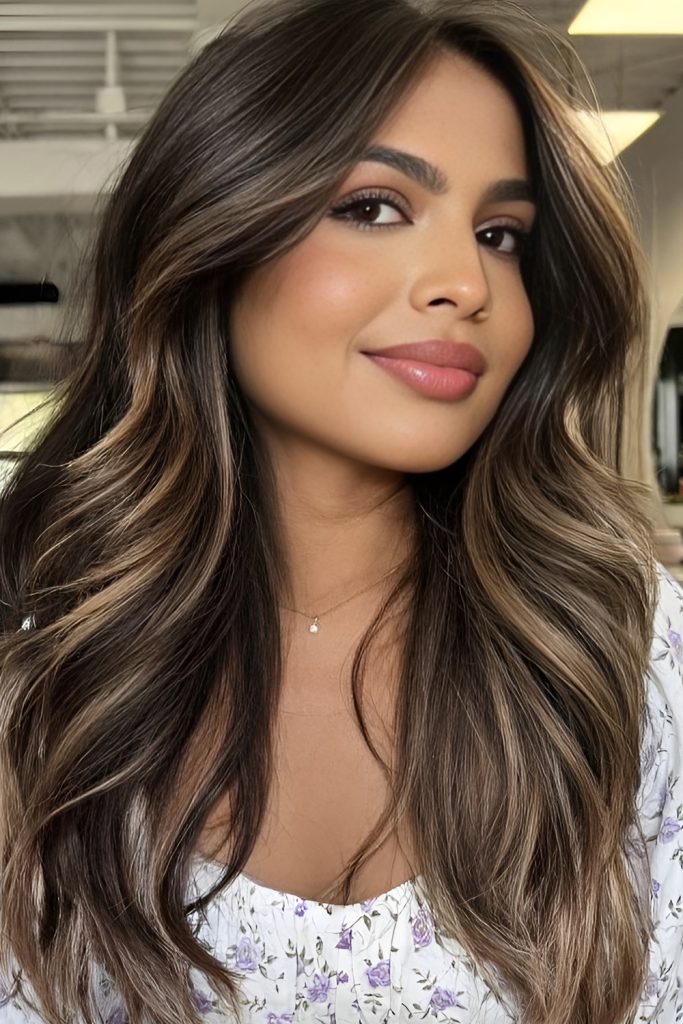
6. Cinnamon Brunette
A warm mid brown with spice and copper running through it. Warmer than chestnut, less red than auburn.
Suits: warm and golden skin tones. It is a genuinely autumnal shade and one of the most flattering in low indoor light.
Getting there: usually achievable in one appointment from a mid brown base. Growing out: good, with a gloss to hold the warmth.
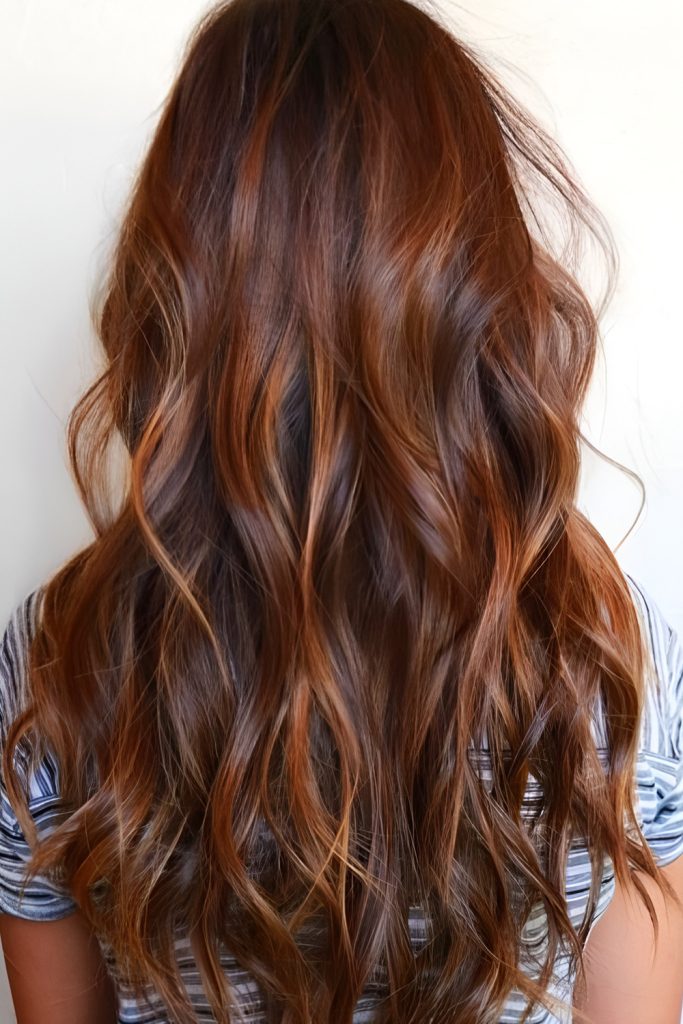
7. Soft Hazelnut
A light to mid brown with soft dimension throughout and no strong tonal direction. Quiet and natural looking.
Suits: most skin tones, being close to neutral. It is the least risky color on this page.
Getting there: gentle, often achievable with a gloss and a few fine highlights. Growing out: excellent.
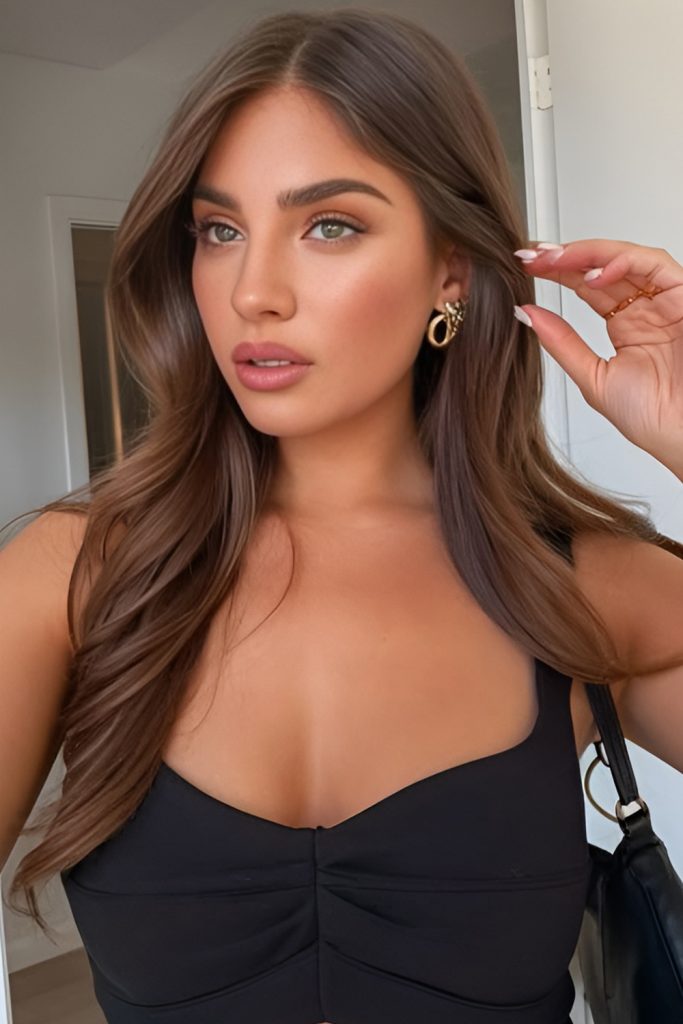
8. Deep Mahogany with Plum
A dark brown with red-violet depth. It reads brown indoors and reveals the plum in daylight.
Suits: cool and neutral tones, and it is particularly striking on deeper skin tones.
Getting there: a deposit-only color in most cases. Growing out: good, though violet fades and can leave a flat brown behind without a refresh.
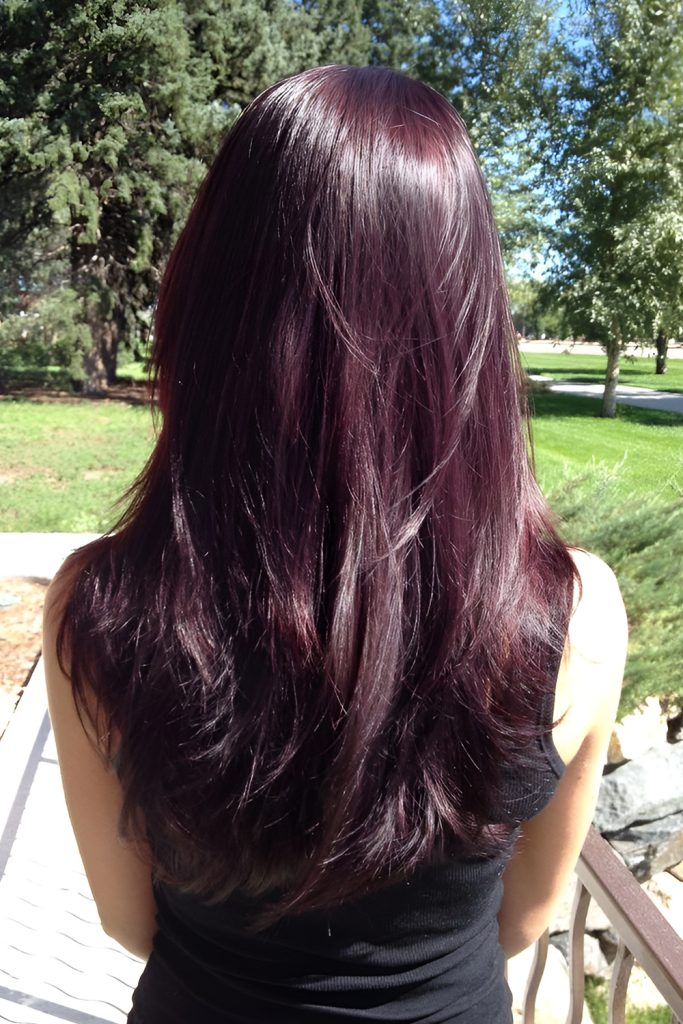
9. Mushroom Brown
A cool, ashy brown with gray-beige depth and no warmth at all. The most fashion-forward shade here.
Suits: cool and neutral skin tones. On warm complexions it can read dull rather than chic.
Getting there: the most technical color on this list, since it usually needs lifting and then toning. Growing out: the hardest, because warmth returns as the toner fades.

10. Golden Brunette Ombre
A dark root melting into progressively lighter golden ends, with the transition kept soft.
Suits: warm and neutral tones, and it works particularly well on longer hair where the gradient has room.
Getting there: a longer appointment with lifting through the ends. Growing out: very good, since the root is meant to be dark.
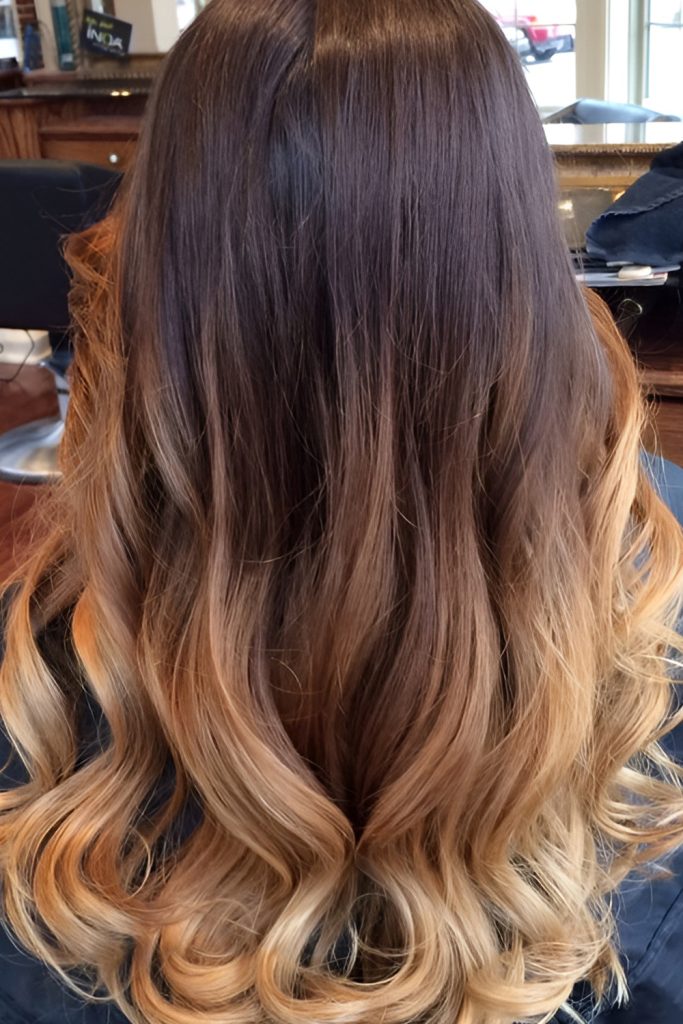
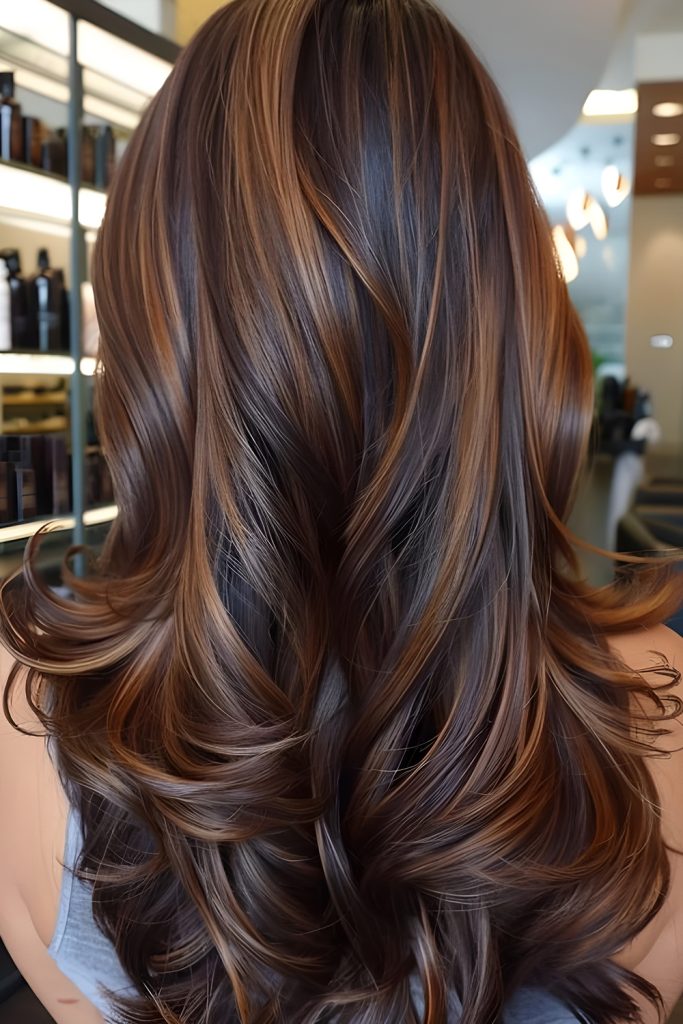
11. Dark Chocolate with Toffee
A rich dark brown with fine toffee highlights woven through for subtle contrast rather than obvious brightness.
Suits: almost everyone, and it is the most office-appropriate color on this page.
Getting there: a partial highlight over a tinted base. Growing out: good, with a root touch-up needed sooner than with balayage.
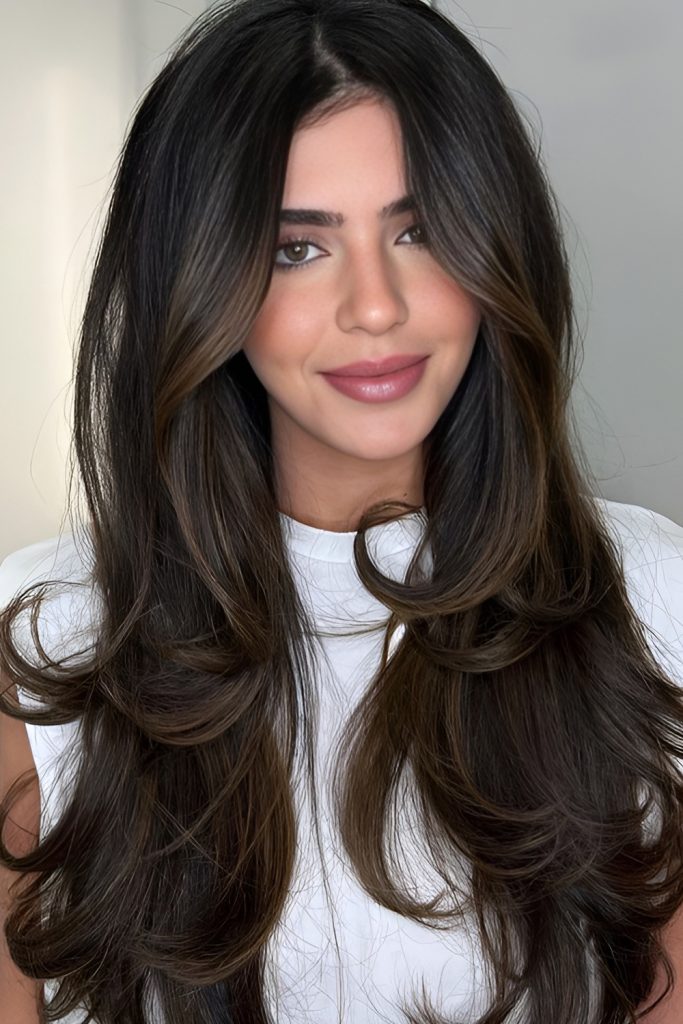
12. Espresso and Burgundy
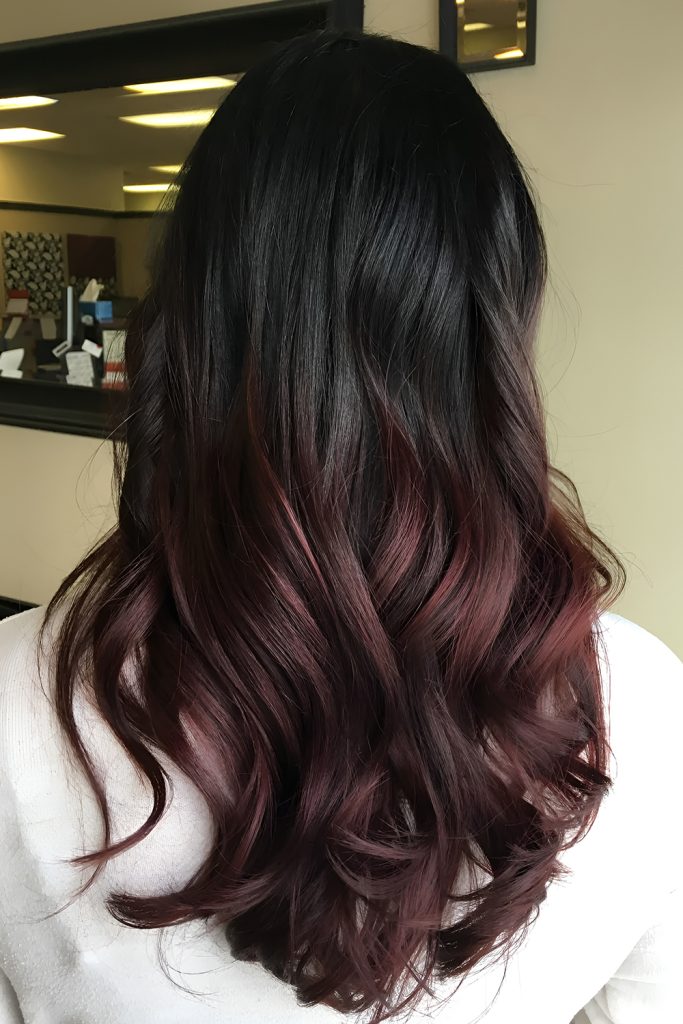
A very dark base with burgundy running through the lengths, visible mainly when the light catches it.
Suits: cool and deep skin tones, and it is the boldest option here while still reading as dark hair from a distance.
Getting there: deposit-only on dark hair, which keeps it relatively gentle. Growing out: fine, though burgundy fades faster than the base.
How Long Each of These Actually Lasts
Deposit-only colors, meaning anything that darkens or tones without lifting, generally hold their shape for six to eight weeks before the tone starts to shift.
Anything with red, copper or violet in it fades fastest. Those molecules are larger and sit less securely in the hair, which is why auburn, mahogany and burgundy need refreshing soonest.
Balayage and face-framing pieces last longest in terms of appointments, often three to four months, because there is no hard regrowth line to manage.
Cool and ashy tones are the exception that catches people out. They fade to warmth rather than to nothing, so mushroom brown needs toning more often than its lightness suggests.
Keeping the Color Looking New
Wash less often and in cooler water. Heat opens the cuticle and takes color with it, and this single change does more for color longevity than any product.
Use a color-safe shampoo without sulphates. It is not marketing on this point, since sulphates genuinely strip deposited tone faster.
Book a gloss between color appointments. A gloss refreshes tone and adds shine in under an hour, and it is far cheaper than a full color.
And use heat protection. Faded, brassy color is very often heat damage rather than the color itself failing.
What to Ask For in the Salon
Bring photographs, but bring several, and include one you do not like. Showing a colorist what you want to avoid is often more useful than showing what you want.
Say the undertone out loud. Asking for warm chestnut rather than just brown removes most of the ambiguity, since brown covers an enormous range.
Ask what it will look like in eight weeks, not just on the day. The answer tells you the real cost of the color, and a good colorist will volunteer it.
And be honest about your maintenance appetite. There is no point being talked into a shade that needs toning every six weeks if you are realistically going twice a year.
Box Dye and What It Costs You Later
Box color is not universally a bad idea, but it is a poor idea for most of this list. Anything involving lifting, balayage or ashy toning is genuinely difficult outside a salon.
Where box dye does work is deposit-only darkening on hair that has not been colored before. Espresso or dark chocolate over a natural mid brown is a reasonable home project.
The problem it creates is later. Box color builds up on the lengths and lifts unevenly, which makes any future lightening slower, more expensive and harder to predict.
If you have used box dye recently, say so at your consultation. Colorists ask because it genuinely changes what is possible, not to judge anybody.
Frequently Asked Questions
Which fall brunette shade is the lowest maintenance?
Caramel balayage on chocolate, or the dark mocha with face-framing. Both are designed to grow out without a visible line, so appointments are months apart.
What suits cool skin tones?
Espresso, mushroom brown, deep mahogany with plum, and the espresso and burgundy blend. All four sit on the cool side of the spectrum.
Which shade fades the fastest?
Anything with red or violet in it, so auburn, mahogany and burgundy. Expect a gloss every six to eight weeks to hold them.
Can I go from dark to mushroom brown in one appointment?
Usually not. Cool ashy shades need lifting first and then toning, and from a dark base that is often more than one session. Discuss it with a colorist before committing.
The Bottom Line
Pick the undertone before the shade. Warm, cool or neutral decides whether a color flatters you, and the specific name matters far less than most people expect.
Then pick for maintenance honestly. A balayage you can afford to keep up beats an ashy brown that turns brassy six weeks in.
More color ideas: fall hair color ideas, dark fall shades for brunettes, and warm fall hair colors.
Related Post