
Please note that we do not create all the designs featured in this article. Our primary focus is to curate and collect a diverse range of design collections and products to inspire and share with our audience. While we do not claim ownership or take full credit for the original designs and images, we occasionally make minor adjustments, particularly in home decor and fashion items, to present them more effectively. Additionally, we may produce and edit images to enhance their quality and composition before sharing them on our Pinterest page or website. For the design work we do on these creative designs, we also include our logo on the images shared on Pinterest and our website. This helps our audience recognize that these designs have been published on insiderlyfe.com!
Whether you choose a wolf cut or a butterfly cut, you may feel a bit overwhelmed by the decision—especially since both cuts call for volume, movement, and layers. Even though these two styles might look similar at first glance, once you wear them, you’ll realize they’re entirely different looks.
To help you choose the right cut for you, we’ve broken down 11 crucial factors to consider—such as your hair type, level of maintenance, styling routine, and personal preferences. These insights will help you confidently decide which cut is best for your vibe.
Make sure you don’t miss point #5—it could make all the difference in how your new cut fits your lifestyle.
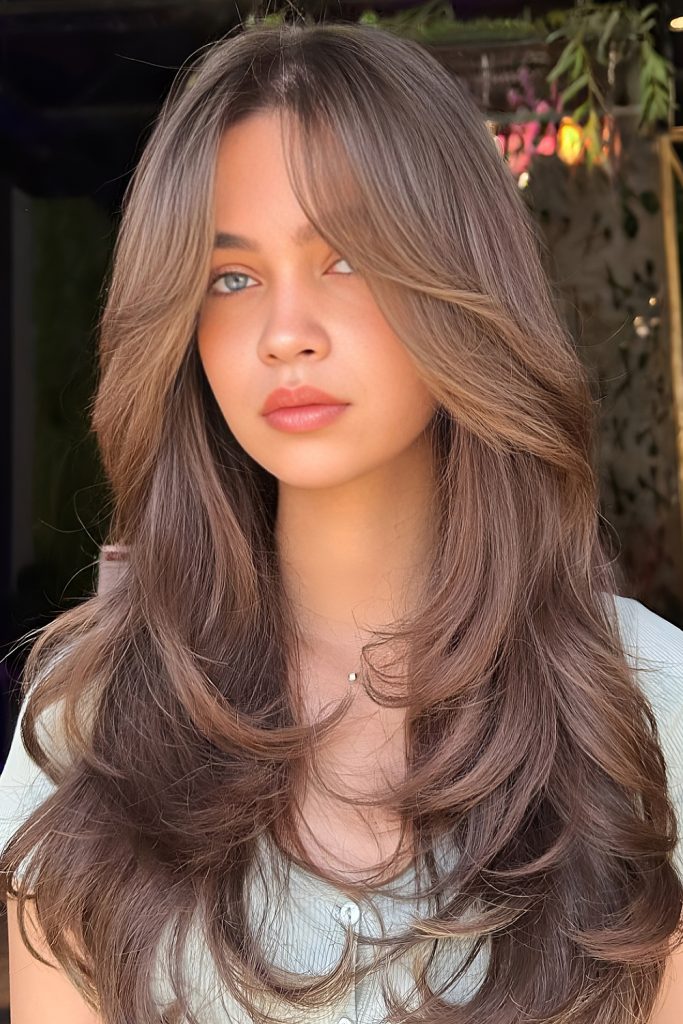
1. The Overall Shape Gives Totally Different First Impressions
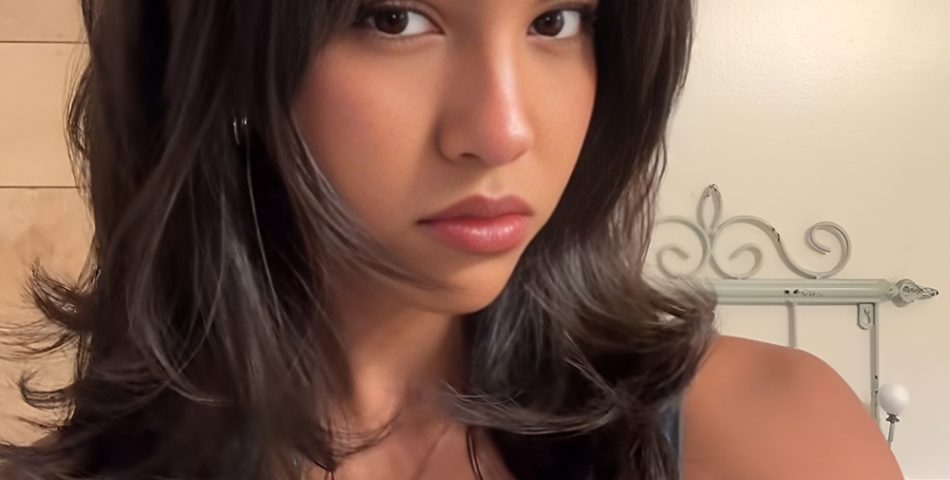
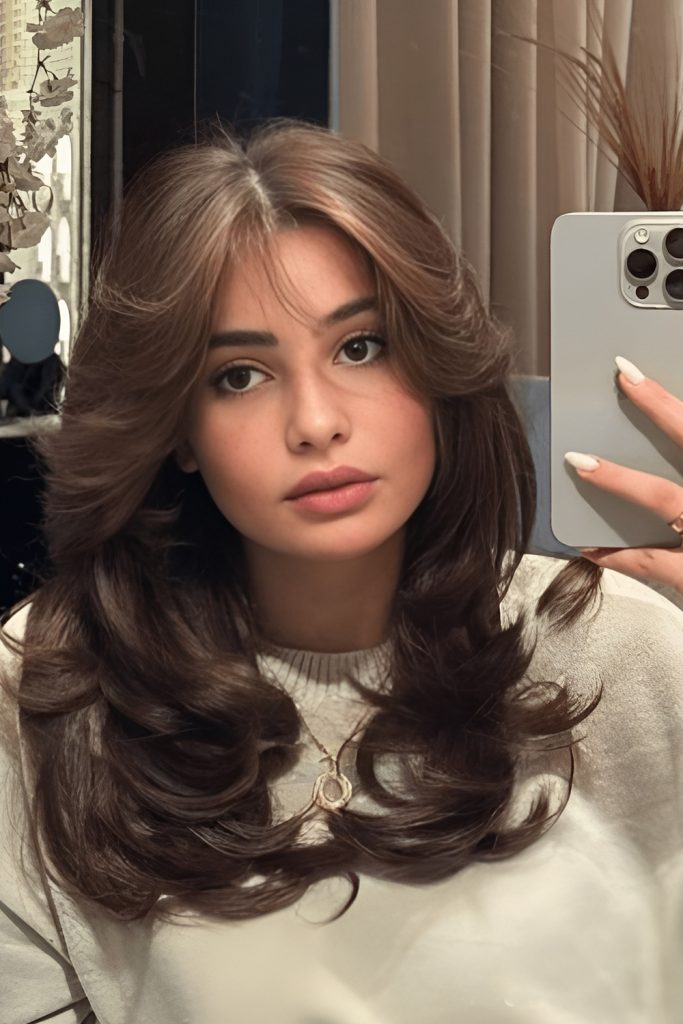
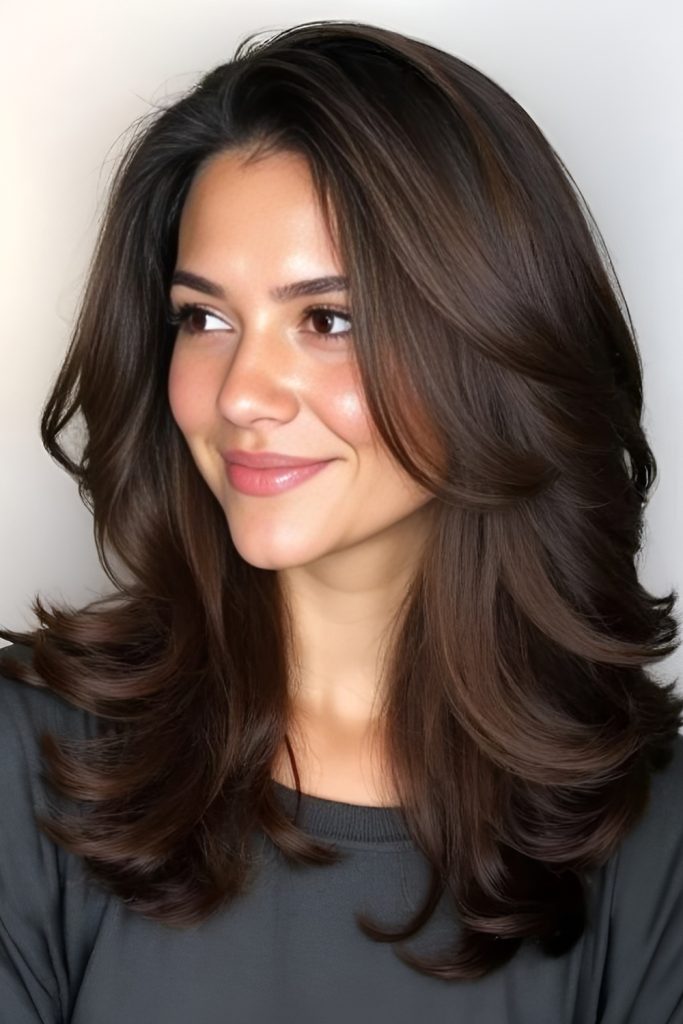
The long wolf cut gives a dramatic, shaggy profile with obvious contrast between the shorter areas of the hair and the longer areas. It is immediately bold, edgy, and very fashion-forward, sometimes enough to turn many heads. The butterfly cut, on the other hand, gives a rounded, fluid profile that has a soft, deliberate appearance.
It creates smooth transitions instead of areas of sudden separation. While the wolf cut is immediately attention-grabbing, with a bold first impression, the butterfly cut creates a polished first impression that is elegant, balanced, and perfectly wearable.
2. Layer Intensity Can Change the Entire Personality of Your Hair
One of the biggest differences regarding layers will be the intensity, and this can make a huge difference when deciding between the wolf cut and the butterfly cut. In a wolf cut, layers are cut in an aggressive, choppy manner that specifically targets the crown and mid-lengths of your hair, giving it a rebellious, piecey look.
In a butterfly cut, layers are cut in a long, blended manner that falls effortlessly through your locks, giving your hair a full, voluminous look. A wolf cut will make your locks look edgy, while a butterfly cut will make your locks look soft and lovely.

3. Face-Framing Results Feel Bold Versus Subtle
The role played by face framing in giving your look a makeover by means of these haircuts cannot be ignored. The wolf cut involves shorter and more chopped pieces, emphasising your face with your cheekbones and jawline. The layers give an expressive, dramatic feel to these hairs.
The butterfly cut, on the other hand, involves curved and blended face-framing layers that ease your facial features instead of emphasising them. The butterfly cut will provide a balanced look compared to the wolf cut, which emphasises your face by means of your cheekbones and jawline.
4. Daily Styling Habits Matter More Than You Think
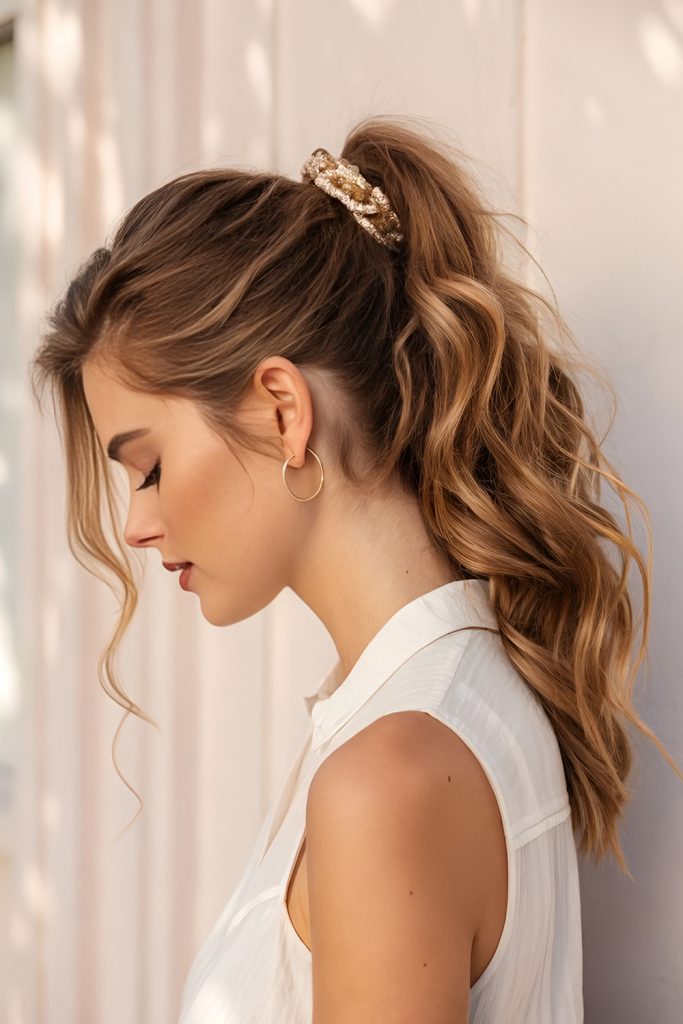
Your daily routine should definitely impact your decision. The long wolf cut needs texture and works best when air-dried and loose. It has an unfinished finish. The butterfly cut works well when blow-dried and uses light heating. It has an undone look.
The butterfly cut can be both styled and unwound on its own. It may require chemical treatments if you want it to hold well. The wolf cut can require styling aids if it has to look even.
5. Hair Texture Features a Prominent Part in the End Result
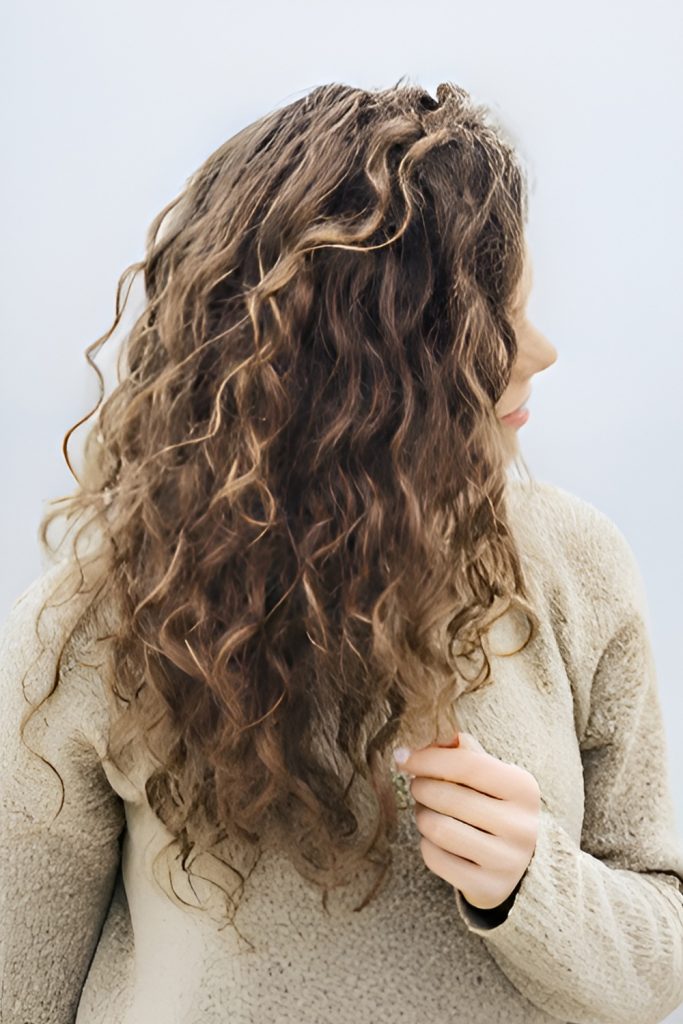
The texture of hair can make the difference between an effortlessly styled and a difficult-to-style hairstyle. For the wolf cut, the ideal hair type is thick, wavy, and curly hair, in which the existing texture complements the layered design.
However, for hair that is too thin or too straight, it can add no volume and may require styling. For hair that is too thin or lacks texture, the butterfly cut can be considered safer and more predictable. This is ideal for hair that can be straight to wavy.
6. Length Preservation Can Be A deal Breaker
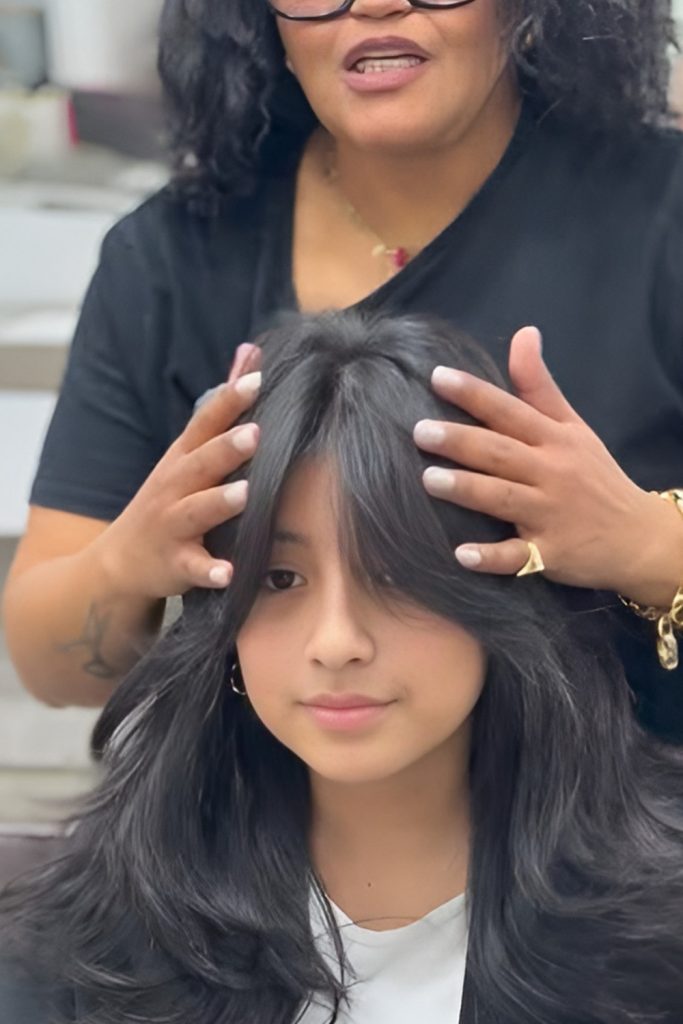
If your hair length is important, then this difference is essential. The objective of the butterfly cut is to maintain your length while creating the impression that you have shorter hair around your face. The wolf cut eliminates more length and mass around your hair crown and sides, hence achieving a noticeable transformation.
For women who love their hair in length, the butterfly cut would seem less intimidating. The wolf cut would work best on those who do not mind sacrificing length for drama.
7. Grow-Out Phases Look Very Different Over Time
As you grow out these haircuts, they change in different ways. A butterfly cut grows out smoothly without losing its style and texture. It doesn’t need frequent haircuts and continues to look good on you for a while.
A wolf cut may become unbalanced because short hair grows in different places, requiring you to make adjustments now and then. If you find growing out hair frustrating, you can go for a butterfly cut. If not, even a wolf cut can be a good choice for you.
8. Volume Placement Affects How Full Your Hair Appears
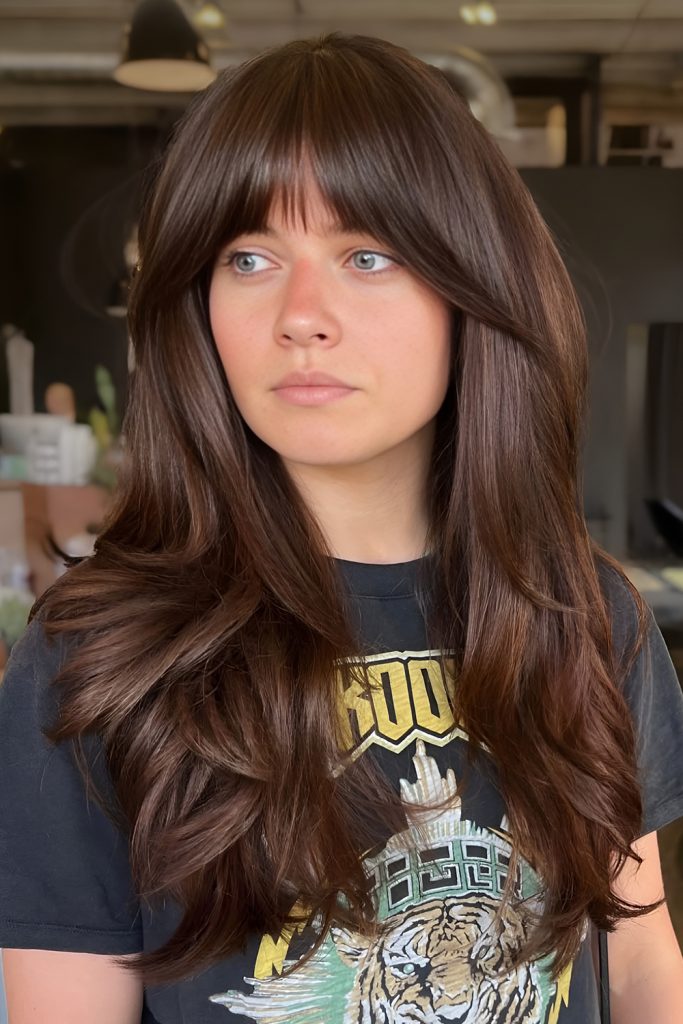
Where you place the volume has a major impact on your overall fullness. The wolf cut places the volume on top, giving you the ultimate top-heavy look. This can be great for elongating your face. However, this could mean that the ends may be thinner.
A butterfly haircut places volume throughout the hair, especially at the ends. This can be ideal if you like fullness. Alternatively, if you just want more fullness on top, the wolf cut is ideal. For more balanced fullness, try the butterfly haircut.
9. The Overall Vibe Communicates Different Style Messages
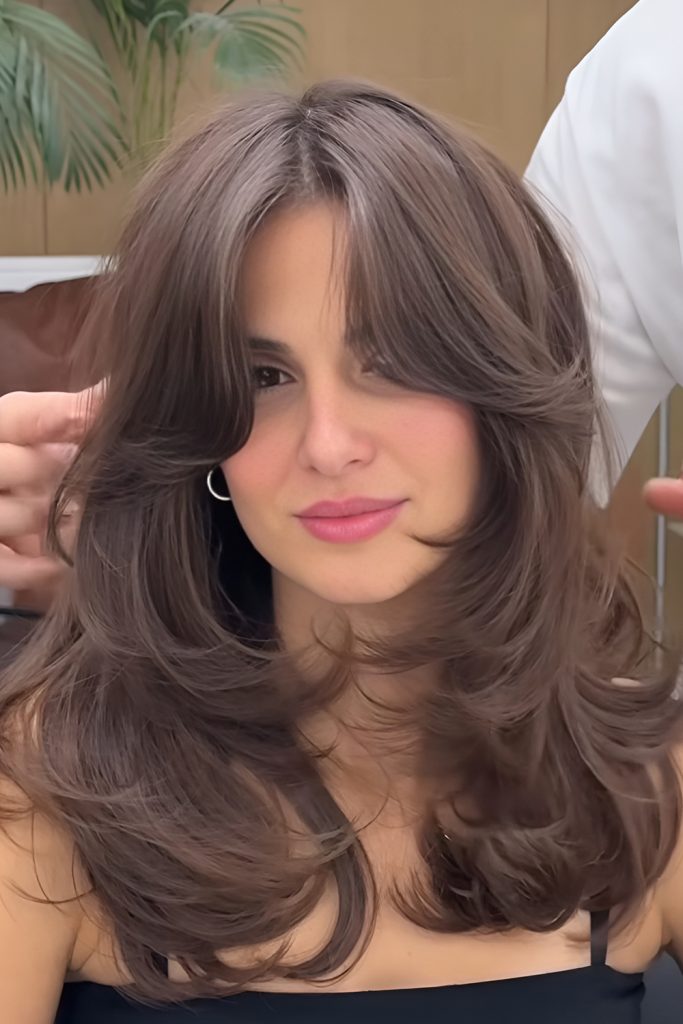
Each haircut has assage, and these two cuts carry two distinctly different messages. The wolf cut communicates rebellion, creativity, and trend-led confidence inspired by vintage shags and modern street style. The butterfly cut communicates elegance, softness, and classic glamour.
The butterfly cut accentuates beauty without having to be in the limelight. If your style personality is bold and adventurous, the wolf cut would be a perfect haircut for you. If your style statement is sophisticated and versatile, then the butterfly cut would be the better choice.
10. Product and Tools Styling Are Not the Same
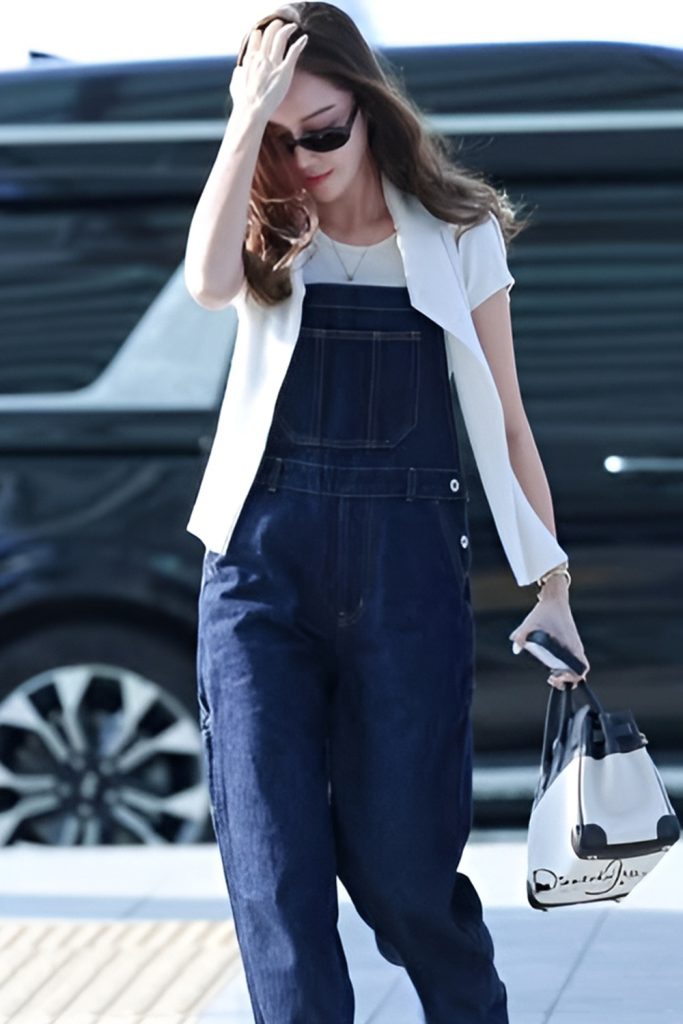
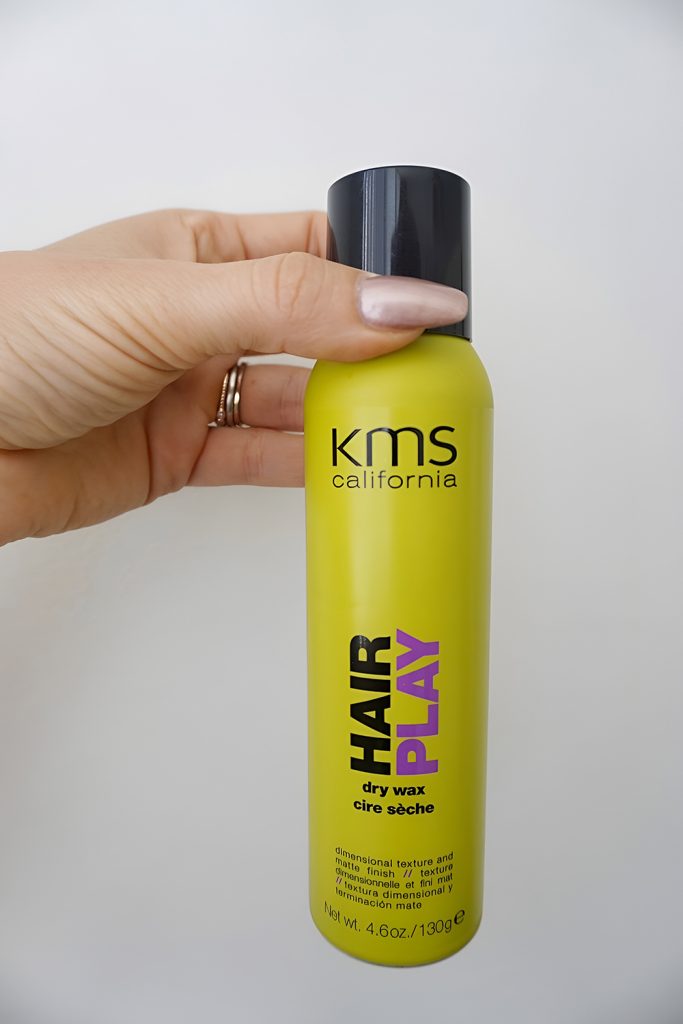
The tools/products that you will use will be greatly different in these cuts. Wolf cuts will work well with texturised sprays, waxes, or creams that will add to the separation and movement of your hair. There will be no need to use any heat styling tools for wolf cuts. Butterfly cuts will require the use of round brushes, blow dryers, and smoothing products that will accentuate the movement of your layered hair.
Whether your style involves the use of tools and blow dryer techniques, butterfly cuts will reward your creativity. Related Posts
11. The Wow Factor” is Contingent Upon Your Expectations
It’s the type of impact you want that means more to me than the trend itself. Wolf cut: it’s an instant, dramatic change full of texture and attitude. It’s meant to be noticed. It’s a subtle “wow” with the butterfly: the movement, the volume, the softness—it feels decadent in the end.
Neither is preferable; they’re just evoking different feelings. For an immediate “wow,” the wolf haircut is the better option. For the more rewarding style, it’s the butterfly haircut.
Related Post