
Please note that we do not create all the designs featured in this article. Our primary focus is to curate and collect a diverse range of design collections and products to inspire and share with our audience. While we do not claim ownership or take full credit for the original designs and images, we occasionally make minor adjustments, particularly in home decor and fashion items, to present them more effectively. Additionally, we may produce and edit images to enhance their quality and composition before sharing them on our Pinterest page or website. For the design work we do on these creative designs, we also include our logo on the images shared on Pinterest and our website. This helps our audience recognize that these designs have been published on insiderlyfe.com!
Here is something your colourist may not tell you: the best winter hair colour is the one that still looks good under grey skies. Bright sun forgives a lot, but a cloudy February morning does not.
That is why winter shades tend to be deeper, glossier and a little cooler. They look richer in low light, and they pair well with the dark knits and long coats we all end up wearing.
This list covers twelve shades, from wine red to icy beige blonde. For each one, you will find who it suits, how much work it takes and what to say at the salon.
A couple of these are trickier than they look. Watch for number 7, which looks effortless but needs real aftercare, and number 9, which is the best choice if you want a bold change that still feels natural.
If you are not sure whether to go darker or lighter, start with our guide to fall hair colors from bronde to auburn, then use this list to move into winter. Blondes can also see our blonde shades for brunettes.
How did we choose? We looked at what colourists recommend for cold-weather light, what holds up between appointments, and what looks good with winter clothes. Colour names such as wintery wine, frosted hazelnut and midnight espresso come from The Zoe Report’s winter hair colour round-up.
Quick comparison of all 12 shades
| Shade | Maintenance | Best skin undertone | Change level |
|---|---|---|---|
| 1. Wintery wine red | High | Cool or deep | Big |
| 2. Deep chocolate brown | Low | Any | Small |
| 3. Frosted hazelnut | Medium | Neutral or cool | Medium |
| 4. Teddy brown | Low | Warm or neutral | Small |
| 5. Midnight espresso | Very low | Cool or deep | Medium |
| 6. Soft jet black | Low | Cool or deep | Medium |
| 7. Icy beige blonde | High | Cool or neutral | Big |
| 8. Champagne blonde | Medium to high | Warm | Big |
| 9. Spiced copper | High | Warm | Big |
| 10. Dark cherry brown | Low to medium | Any | Small |
| 11. Golden brown | Low to medium | Warm | Small |
| 12. Cool ash brown | Medium | Cool | Medium |
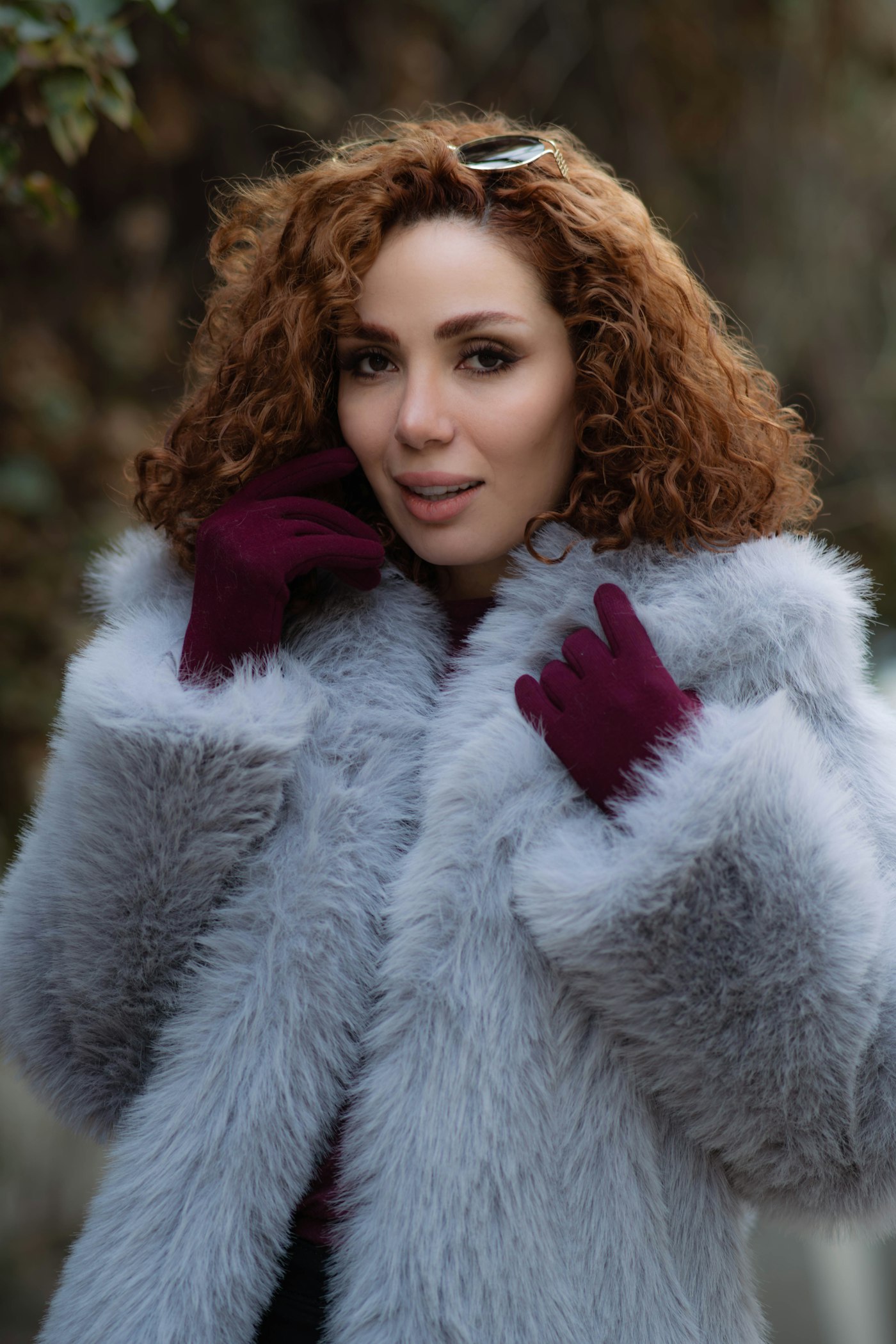
1. Wintery wine red
Wine red is the shade people mean when they say they want red hair but not a loud one. It leans plum and berry rather than orange, which makes it look rich in low winter light. Brunettes can get there with a gloss or a few lightening steps, depending on how dark their base is. The Zoe Report included it in its winter colour round-up and called it a statement shade that is not loud. It also looks great next to dark knitwear, which is basically a winter uniform.
Best for: Natural brunettes and anyone with cool or deep skin tones.
Maintenance: Red fades fastest, so expect a refresh every 4 to 6 weeks, and use colour-safe shampoo washed in cool water.
Styling tip: Ask for a gloss with “plum undertones” rather than just “red”, so the stylist knows you want cool, not copper.
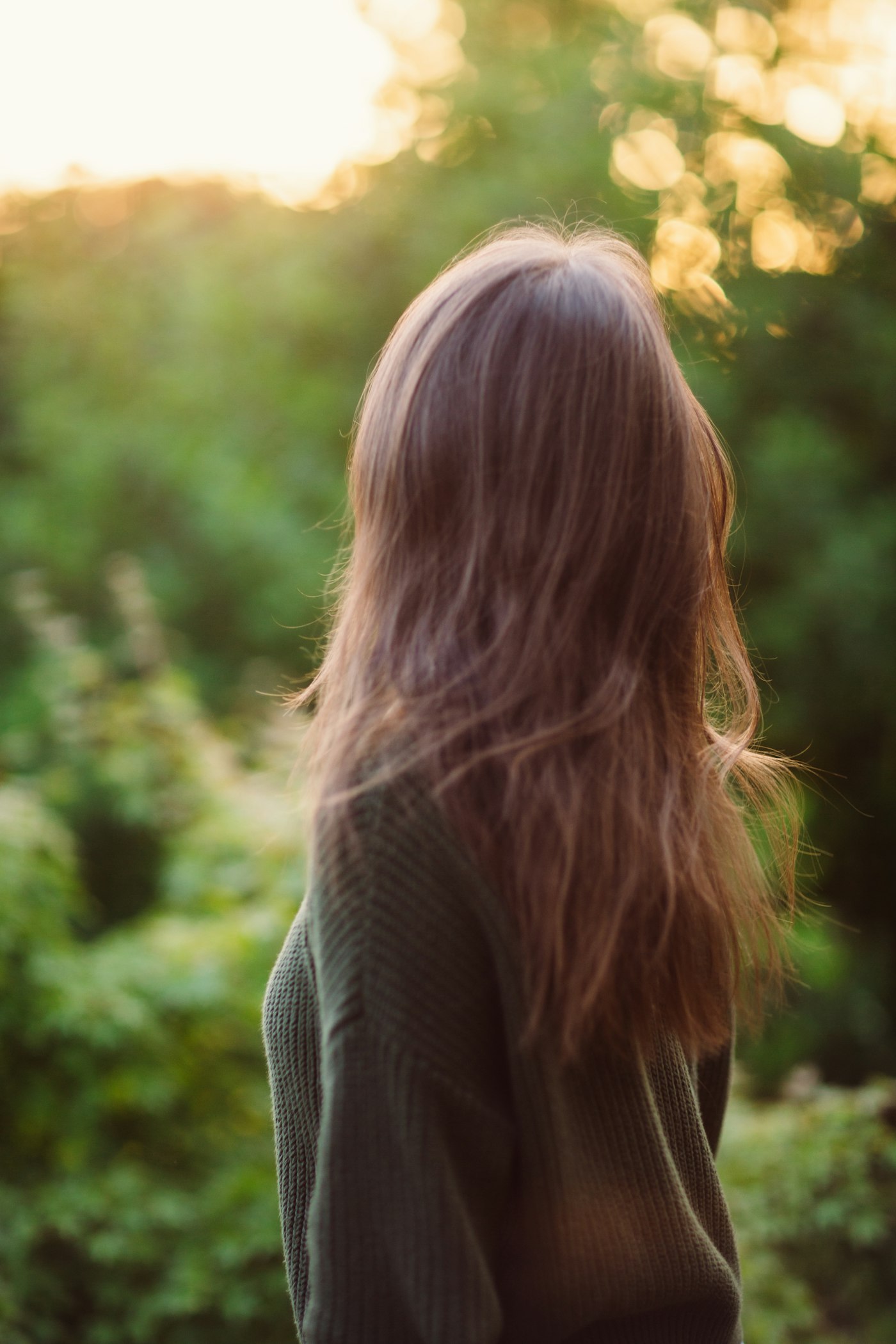
2. Deep chocolate brown
Chocolate brown is the classic that never goes out of fashion. In winter, it looks expensive because it shows shine like nothing else. It works as a fresh start for dull, sun-faded ends, and as a safe base if you plan to add subtle dimension later. If your hair looks flat after summer, a single-process gloss can bring it back in under an hour. The result is rich, warm and easy to wear with any lipstick.
Best for: Anyone who wants a polished, low-risk change.
Maintenance: Low. A gloss every 8 to 10 weeks keeps it shiny, and roots grow in softly if your natural colour is dark.
Styling tip: Request a “shine gloss” in a neutral-to-warm brown, and ask your stylist to match it to your skin tone.
3. Frosted hazelnut
Frosted hazelnut is a cool light brown with icy reflections, a bit like coffee with milk and a hint of silver. It is a good option if you want brightness without going blonde. Fine, wispy ribbons of lighter colour run through the hair and catch the light. On straight or wavy hair, it looks especially pretty in daylight. It also grows out nicely, because the shade sits close to a natural light brown.
Best for: Light to medium brunettes with neutral or cool skin tones.
Maintenance: Medium. Plan a toner every 8 weeks to avoid the shade turning brassy.
Styling tip: Bring a photo and ask for “cool hazelnut with fine highlights”, and say that you do not want orange tones.
4. Teddy brown
Teddy brown is cosy in every sense. Think caramel and cocoa blended together into something warm and soft, like a favourite knit. It suits people who want a gentle refresh rather than a big transformation. Because the shades are close together, the grow-out is easy and the colour looks natural from day one. This is the one to pick if you hate salon visits.
Best for: Anyone with warm or neutral undertones who wants a natural look.
Maintenance: Low. Colour-safe shampoo and a gloss every 10 to 12 weeks are enough.
Styling tip: Ask for “blended caramel and cocoa tones with no harsh lines”.
5. Midnight espresso
Midnight espresso is where brown and black overlap. It reads as black in low light and reveals cool brown and blue notes in the sun. The effect is glossy, dramatic and surprisingly versatile. It is a great choice for people who want depth without a flat, box-dye look. Do not skip it if you want your hair to look like polished glass.
Best for: Deep skin tones and cool undertones, but also anyone who wants a dramatic brunette.
Maintenance: Very low. Soft regrowth looks natural, and a gloss every few months keeps the shine.
Styling tip: Ask for “espresso with a cool brown gloss”, then bring a photo so the depth is right.
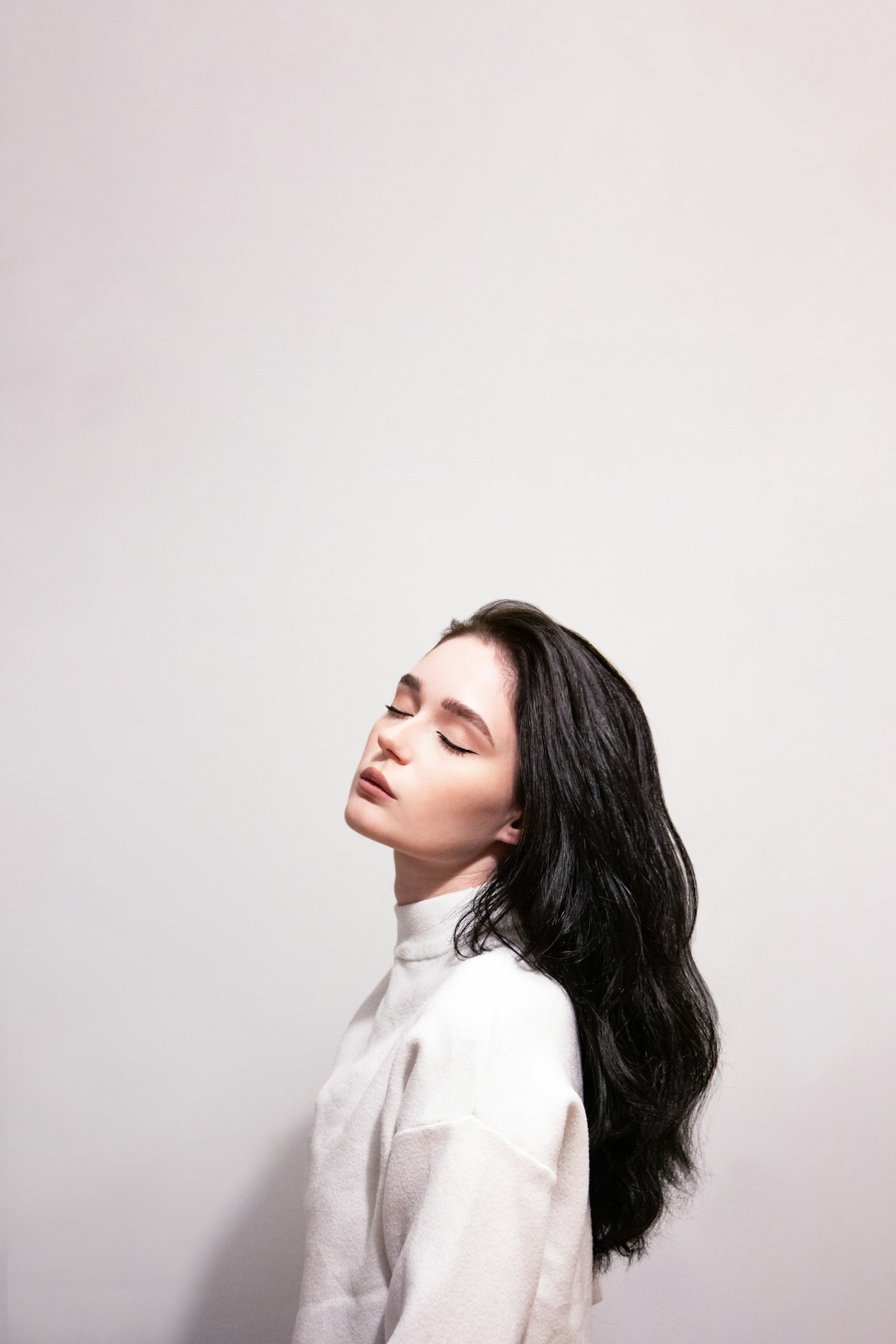
6. Soft jet black
Jet black is striking, but the soft version is easier to live with. Rather than flat ink black, you want a blue-black or off-black with a glossy finish. In winter, it pairs brilliantly with red lipstick, camel coats and cream knits. It also hides roots for a long time, which is a quiet luxury. If you are already dark, this is the cheapest upgrade in the list.
Best for: Dark-haired people who want high shine and low maintenance.
Maintenance: Low. Use heat protectant, and add a clear gloss every 8 weeks to boost reflection.
Styling tip: Ask for “soft black with a blue-brown reflection”, so it looks natural, not harsh.
Halfway through. The next six lean lighter and bolder, so now is a good moment to decide whether you want a small change or a big one.
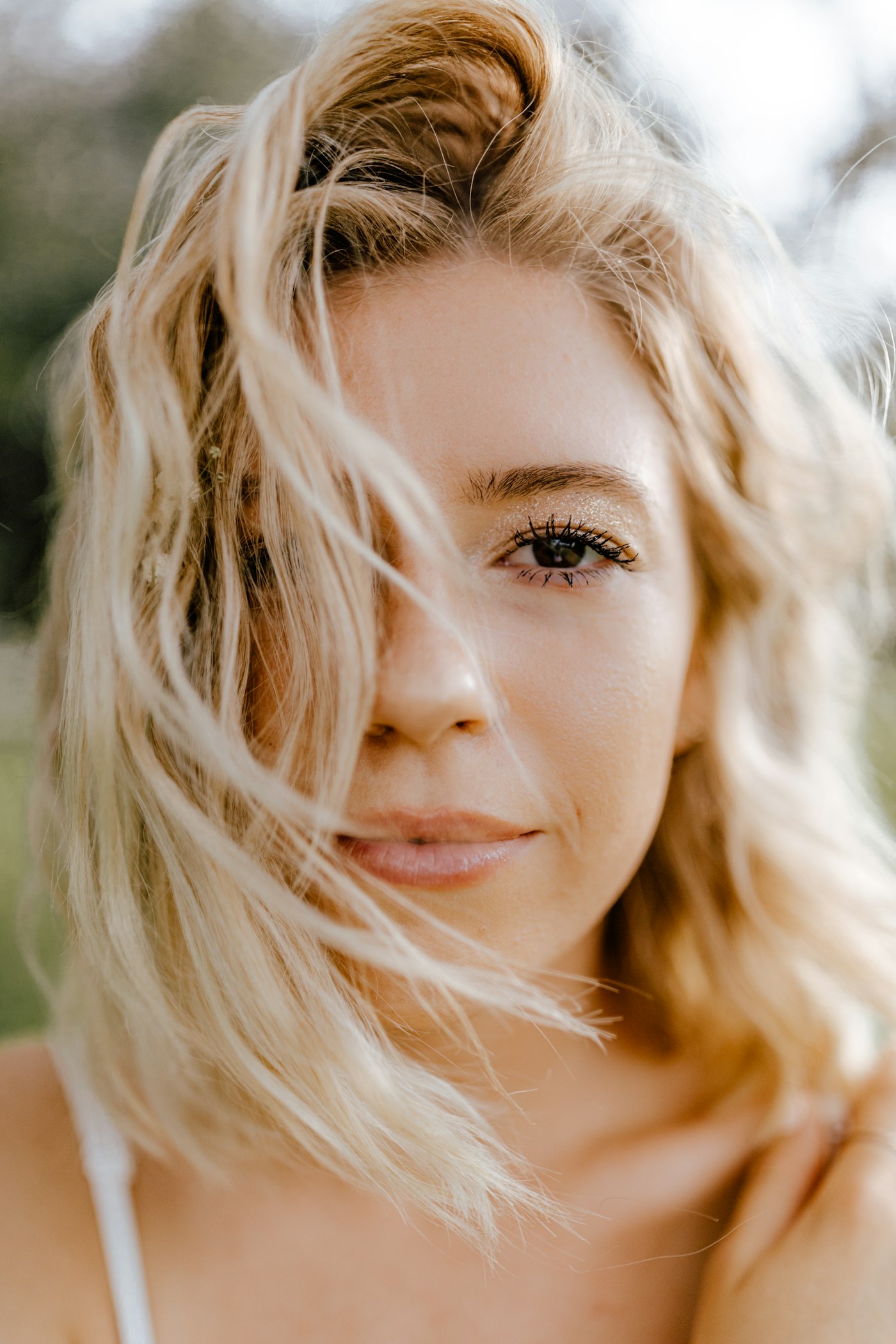
7. Icy beige blonde
Icy beige blonde, sometimes called frosted pearl, is a cool, glowing blonde that avoids yellow. It is softer than platinum and kinder to your hair. In winter, it matches snowy light and cool-toned clothing, which makes it look expensive. It works best when it is blended into the root so growth is gentle. Pay attention, because this shade is the one that most often goes wrong without good aftercare.
Best for: Natural dark blondes and light brunettes with cool or neutral skin.
Maintenance: High. Gloss every 6 to 8 weeks, purple shampoo once a week and regular deep conditioning.
Styling tip: Ask for a “blended root with beige, not ash, tones”, and avoid heavy blue toners.
8. Champagne blonde
Champagne blonde sits somewhere between honey and pearl. It is a kinder shade for people who find icy blonde too cold. The warmth makes skin look healthy in winter, when everyone is a bit pale. Highlights are softly blended, so you are not stuck with stripes. If you are brunette, this takes more than one visit, so plan ahead.
Best for: Medium to light blondes and warm skin tones.
Maintenance: Medium to high. Toner every 6 to 8 weeks and a bond-building treatment during lightening.
Styling tip: Say “champagne, not yellow, not ash” and bring a photo of the exact warmth you want.
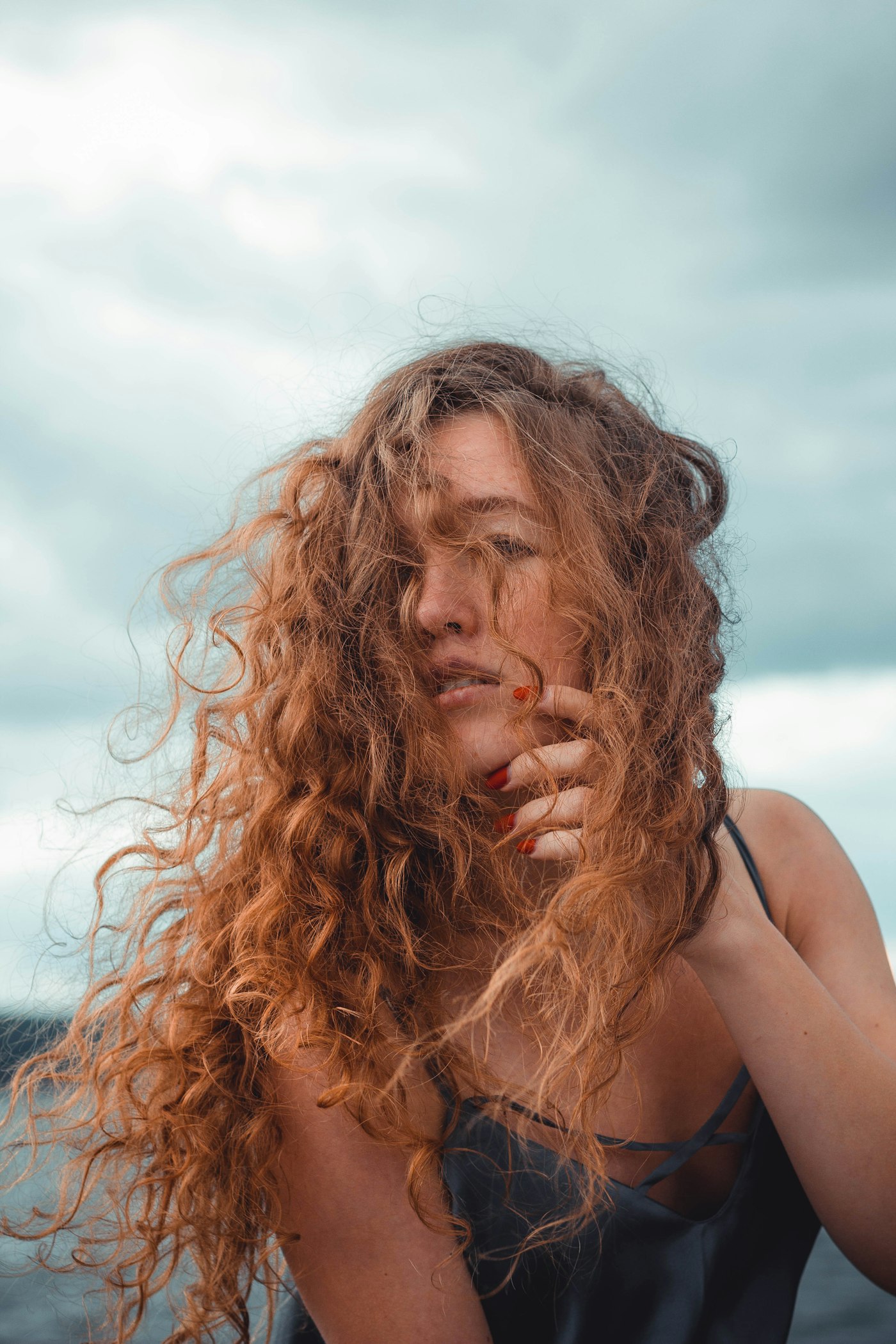
9. Spiced copper
Copper is a classic autumn shade that carries into winter if you keep it a little deeper. It glows in low light and looks warm against dark coats. Spiced copper has a hint of brown, so it feels richer than orange. It flatters many skin tones, especially when blended gently around the face. For fans of red hair, this is the easy mode.
Best for: Redheads, warm brunettes and anyone with freckles.
Maintenance: High. Copper fades fast, so use colour-depositing conditioner and wash with cool water.
Styling tip: Ask for “copper with a brown base”, so it looks natural, not neon.
10. Dark cherry brown
Dark cherry sits between wine and chocolate. In daylight it looks brown, and in sunlight you see a flash of red. That makes it perfect for anyone who is nervous about committing to a bold colour. It adds shine and warmth while staying professional. Think of it as a subtle secret you share with your hairdresser.
Best for: People who like a subtle change at work or school.
Maintenance: Low to medium. Gloss every 6 to 8 weeks, since the red tones soften over time.
Styling tip: Ask for “dark brown with a cherry gloss”, and mention that you want a hint of red only.
11. Golden brown with soft highlights
Golden brown is the classic hair colour of winter sunshine. It has a gentle warmth that lifts the face when the weather is grey. Add soft highlights around the front, and the whole look feels lighter without bleaching. It is also forgiving in the grow-out stage. If you want to try highlights for the first time, this is a friendly start.
Best for: Anyone with warm undertones who wants a low-risk refresh.
Maintenance: Low to medium. A gloss every 8 to 10 weeks keeps the colour even.
Styling tip: Ask for “face-framing golden highlights, subtle, with a natural root”.
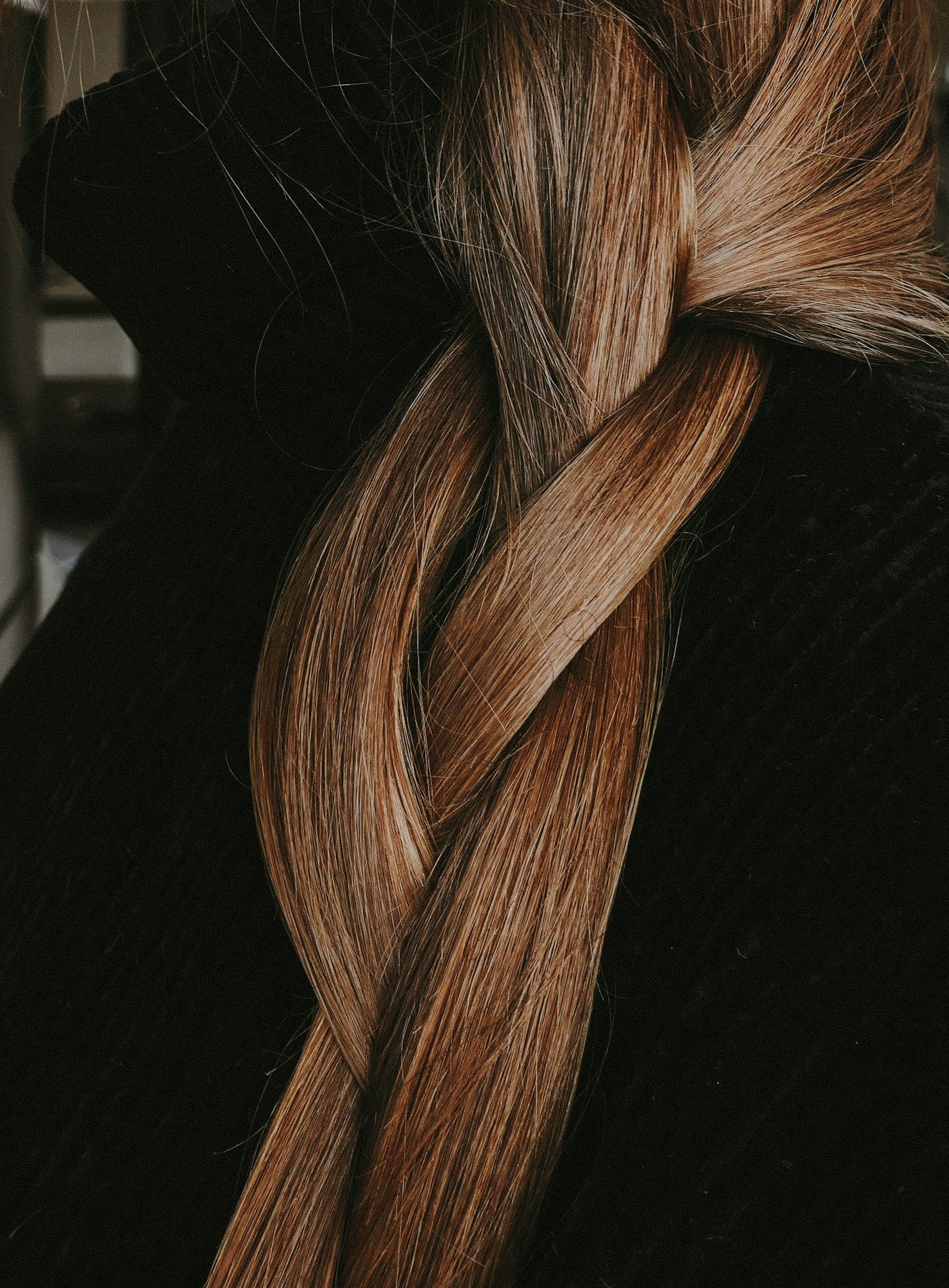
12. Cool ash brown
Cool ash brown is a sleek, modern neutral. It removes red and orange tones for a smoky, almost grey-brown finish. In winter, it looks sophisticated with black and grey clothing. It suits people who find warm browns brassy. The trick is to avoid going too grey, since the shade can look flat on pale skin.
Best for: People with cool undertones or those who dislike warmth in their hair.
Maintenance: Medium. Use a blue shampoo every couple of weeks to keep brassiness away.
Styling tip: Ask for “ash brown with a soft beige tone”, not a heavy grey.
What to say at the salon
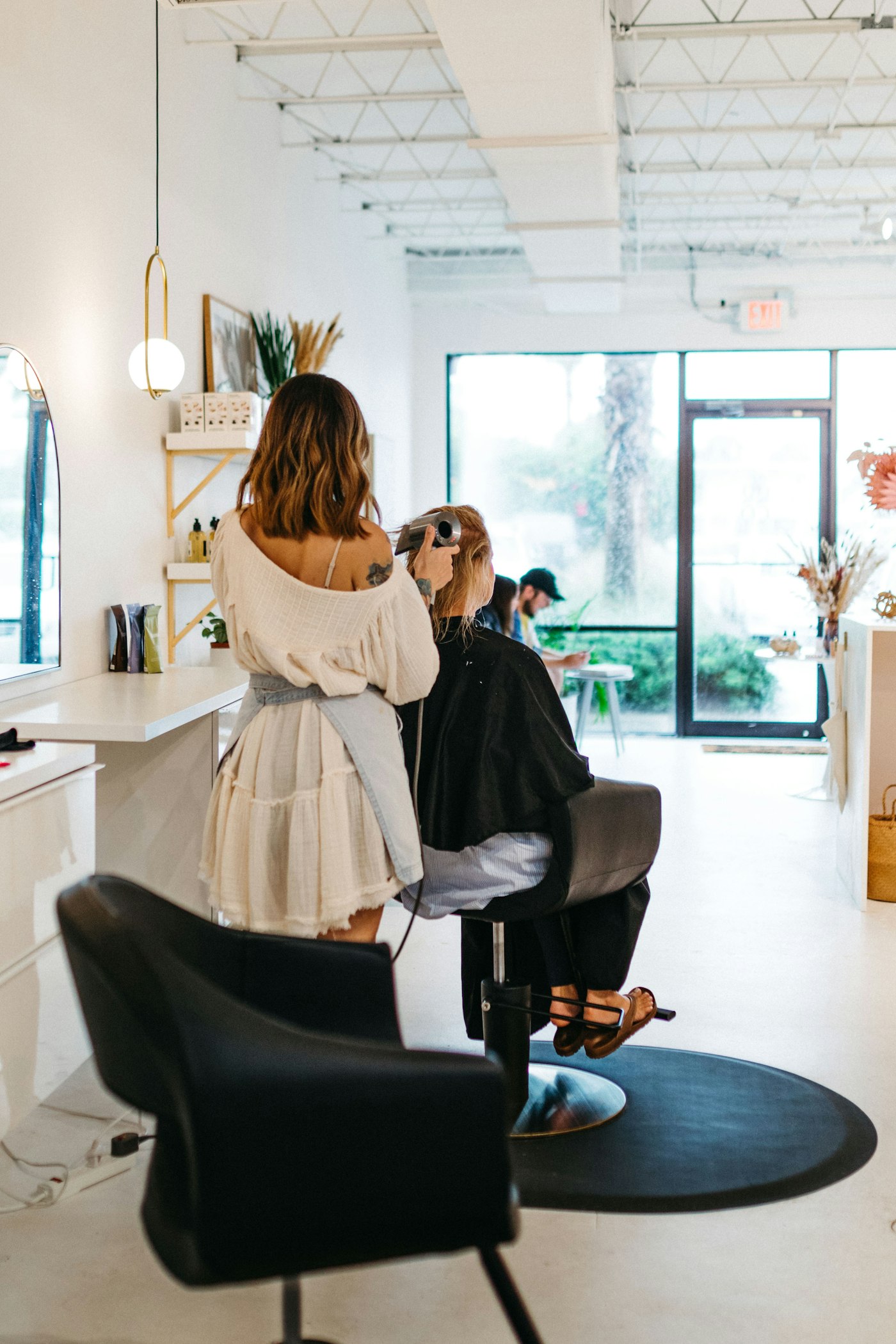
A photo helps, but clear words help more. Try this script and adjust it for your shade:
I would like a glossy winter colour that looks rich in grey light. My natural colour is [your shade], and I do not want any orange or brassy tones. How many appointments will it take, what will it cost, and what should I buy for aftercare at home?
Those three questions at the end, how many visits, what cost and what aftercare, protect you from surprises. A good colourist will answer all three without fuss.
What to expect, week by week
Colour is a process, not a single moment. Here is an honest timeline for a mid-sized change such as brunette to wine red or beige blonde:
- Appointment day: expect two to five hours depending on how much lightening is involved. Eat before you go.
- Days 1 to 3: wait at least 48 hours before the first wash, if your stylist advises it, and use cool water.
- Week 1 to 2: the colour will settle and often look slightly darker or warmer than at the salon. This is normal.
- Weeks 4 to 6: reds and coppers start to fade. Book a gloss if you want to keep the shade fresh.
- Weeks 8 to 10: blondes and cool shades need a toner. Brunettes can often wait a little longer.
- Month 3 and beyond: a gentle root touch-up, depending on how much your natural colour contrasts.
Aftercare that makes colour last
- Use a sulphate-free shampoo and a colour-safe conditioner.
- Wash with lukewarm water rather than hot, and rinse with cool water at the end.
- Use a heat protectant before every blow-dry or straightening session.
- Add a weekly hair mask to keep strands strong, especially after lightening.
- Avoid chlorine and salt water without a protective leave-in conditioner.
If you are planning holiday plans, our festive Christmas hair ideas and Thanksgiving hairstyles for medium hair show how to style your new colour for parties and family dinners.
How to choose your shade
Start with your skin undertone. If gold jewelry flatters you, warm shades such as teddy brown, copper and champagne blonde usually work. If silver looks better, lean cool with frosted hazelnut, ash brown or icy beige blonde.
Next, think about your lifestyle. If you hate salon trips, choose a shade within two levels of your natural colour. If you love upkeep, you can go bolder.
Finally, be honest about hair health. Bleached or heat-damaged hair needs a gentler plan, and your stylist may suggest a gloss or a gradual lightening instead of a single dramatic session.
Common colour mistakes to avoid
- Choosing from one photo: lighting and filters change colour dramatically. Bring two or three pictures from different angles.
- Skipping the consultation: a ten minute chat about your hair history prevents most disasters.
- Washing too often: every extra wash fades colour, so try dry shampoo between washes.
- Ignoring your wardrobe: if you mostly wear warm browns and creams, a very cool shade may clash.
Frequently asked questions
Is it bad to colour my hair in winter?
Not at all. Winter is actually kinder to hair colour, because there is less sun to fade it. Dry indoor air can make strands brittle, so use a good conditioner.
Which winter hair colour is the easiest to maintain?
Deep chocolate brown, teddy brown and soft jet black need the least upkeep, because regrowth blends in naturally.
Can I get these shades at home?
Subtle glosses and depositing masks can work at home. For lightening, such as icy blonde, or for dramatic changes, a professional is the safer choice for your hair.
How do I stop my red hair from fading so fast?
Wash less often, use cool water, and add a colour-depositing conditioner every week or two. Keep heat low and use UV protection when you can.
What colours suit pale skin in winter?
Wine red, cool ash brown and champagne blonde tend to complement pale skin without washing it out. A softer, blended root also helps the colour look natural.
How much does it cost?
Prices vary a lot by city and by stylist, so ask for a quote at a consultation. A gloss costs much less than a full lightening service.
Final thoughts
The best winter hair colour is the one you can keep looking fresh. Choose a shade that suits your skin, your budget and your patience, and bring that salon script with you. Glossy, healthy-looking hair beats any trend.
Related Post