
Please note that we do not create all the designs featured in this article. Our primary focus is to curate and collect a diverse range of design collections and products to inspire and share with our audience. While we do not claim ownership or take full credit for the original designs and images, we occasionally make minor adjustments, particularly in home decor and fashion items, to present them more effectively. Additionally, we may produce and edit images to enhance their quality and composition before sharing them on our Pinterest page or website. For the design work we do on these creative designs, we also include our logo on the images shared on Pinterest and our website. This helps our audience recognize that these designs have been published on insiderlyfe.com!
Here’s the winter hair problem nobody warns you about: you spend twenty minutes on your hair, pull a wool hat over it, and arrive looking like you lost a fight with static.
Braids are the quiet fix. They hold their shape under hats, they don’t tangle in scarf collars, and they keep your ends tucked away from cold wind and dry indoor heat.
Below are 12 braided hairstyles that make real sense for cold months, from a ten-minute side braid to protective box braids that can last for weeks. Some are quick, some need a stylist, and all of them sit nicely with coats and chunky knits.
Don’t miss number 5, the braided low bun, which is probably the most useful style on this list for holiday party season. And keep reading to number 11 if you want a half-up braid that looks dressy but takes about as long as a ponytail.
One note before we start: braids should never hurt. The American Academy of Dermatology warns that constant pulling from tight styles can lead to hair loss over time, so if anything feels sore at your hairline, loosen it.
1. Loose side braid
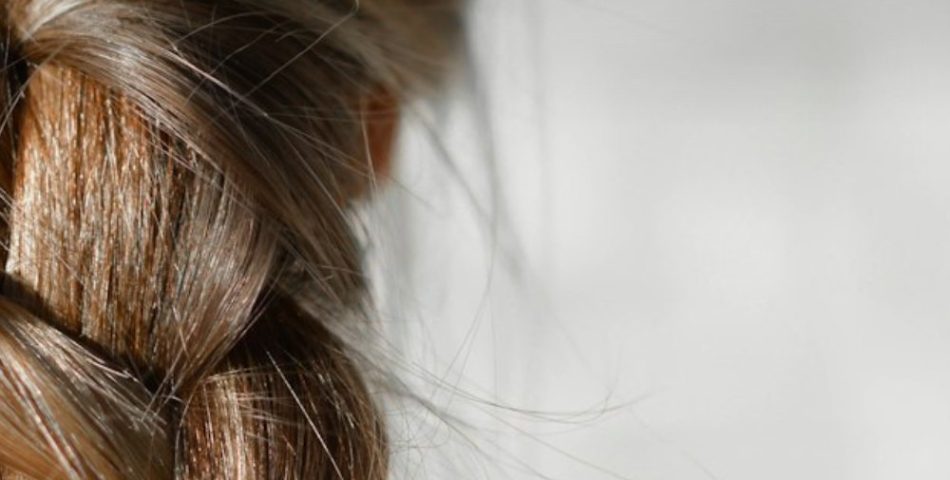
The loose side braid is the style to learn first. Sweep your hair over one shoulder, braid it in three simple strands and finish with a soft elastic. It works on almost any length, and it looks just as good plain as it does with a few strands pulled out around your face. Because the braid rests on your shoulder, it sits on top of your coat instead of getting trapped under a scarf.
Best for: medium to long hair and busy mornings.
Maintenance: low. Use a silk scrunchie instead of a tight elastic, and re-braid after every wash.
Styling tip: gently pull each section wider (stylists call it pancaking) for a fuller braid in about thirty seconds.
2. French braid
A French braid starts at the crown and picks up hair as it travels down your head, which keeps everything flat and neat. That is exactly what you want under a beanie, because there’s no lump of hair sitting right where the hat sits. It also keeps hair off your face on windy days, so you’re not constantly pushing it away from your lip gloss. It takes a little practice, but most people get the hang of it after a week.
Best for: hat days and long commutes.
Maintenance: low to medium. Mist with a little water or leave-in conditioner in the morning to calm winter static.
Styling tip: braid on slightly damp hair and let it air-dry overnight for soft waves the next day.
3. Dutch braid
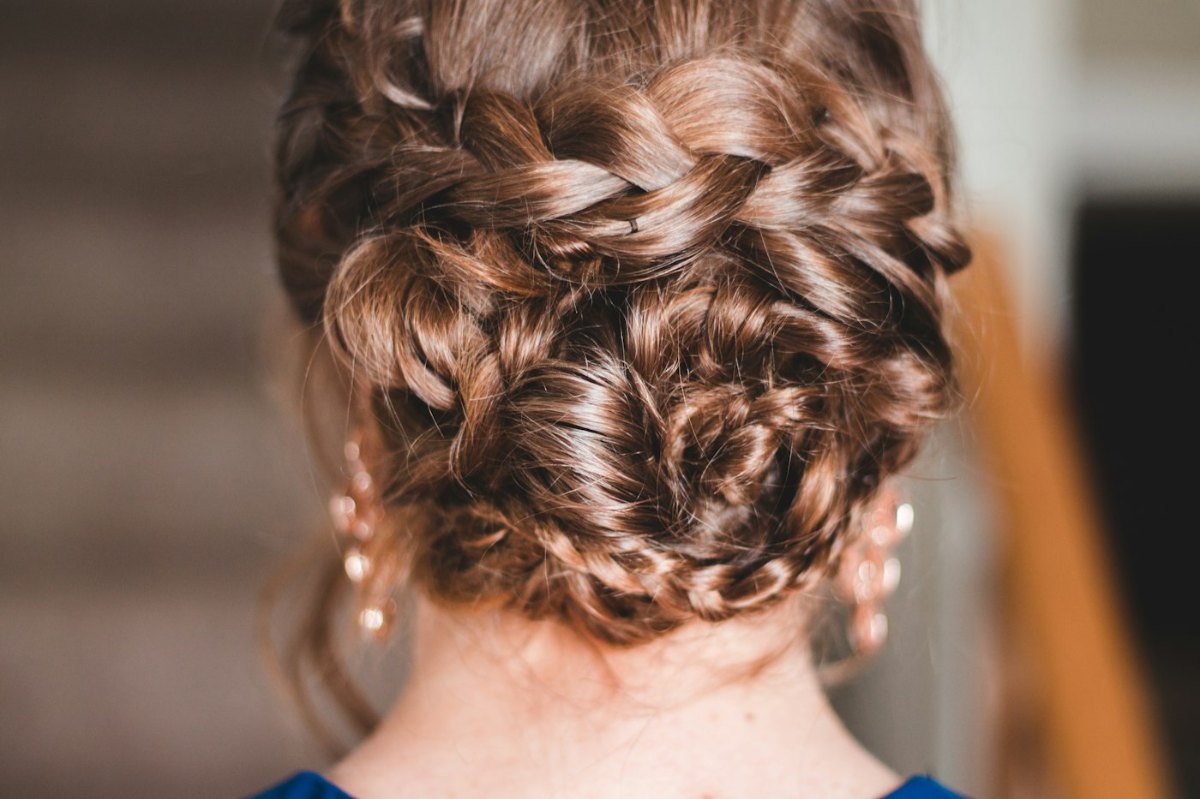
A Dutch braid is the French braid’s bolder cousin: the sections cross under instead of over, so the braid sits on top of your head like a raised ridge. It looks more dramatic and holds up beautifully in the wind. On thick or layered hair, it also keeps the layers from poking out in odd places. If you want a style that photographs well in a snowy park, this is it.
Best for: thick or layered hair and outdoor days.
Maintenance: medium. Use a light hairspray at the roots to keep flyaways down.
Styling tip: start the braid a little off-center for a modern, side-swept effect.
4. Fishtail braid
The fishtail braid looks intricate, but it’s really just two sections and lots of tiny strands. The finished braid is flat and detailed, which makes a plain winter sweater feel instantly more finished. It’s a good pick for fine hair, because the small crossings add the look of texture. Expect your first attempt to take about fifteen minutes, and your third to take five.
Best for: fine or straight hair that needs texture.
Maintenance: medium. Fishtails loosen over the day, so tuck a small pin near the end for security.
Styling tip: tug the sides lightly once it’s finished for a looser, lived-in finish.
5. Braided low bun
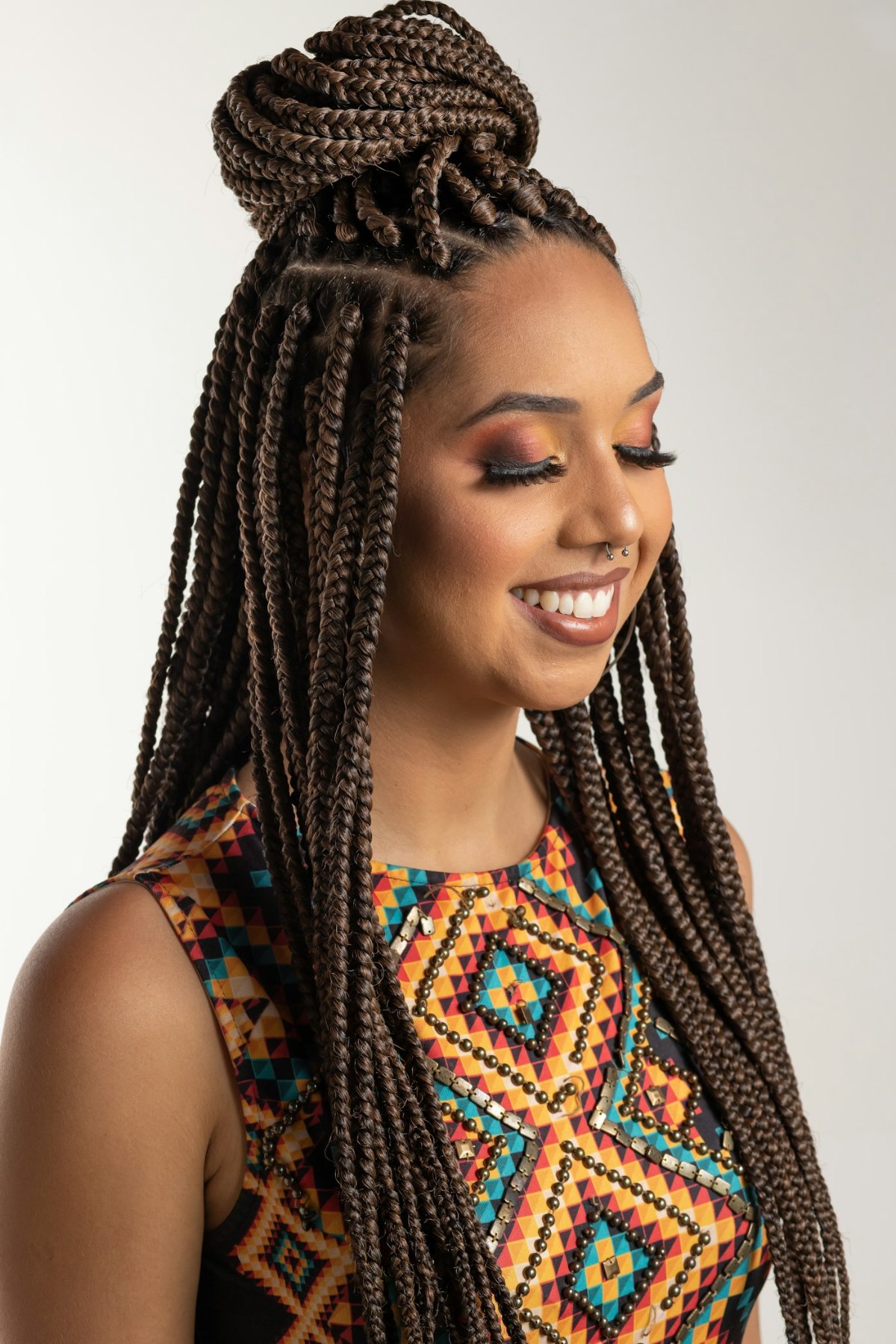
This is the star of the list for holiday season. Make a low ponytail at the nape, braid it, then coil it into a bun and pin it flat. The bun sits below your hat line, so a beanie or a faux-fur hat won’t squash it, and it looks polished enough for a work dinner. Add a velvet ribbon or a pair of drop earrings and you’re party-ready.
Best for: holiday parties, work events and hat wearers.
Maintenance: medium. Use U-shaped pins and a light mist of hairspray to hold it for hours.
Styling tip: pull a couple of face-framing pieces loose so the bun looks soft and not severe.
6. Crown braid
A crown braid wraps around your head like a halo, which is perfect when you want a romantic look with a winter coat. Braid one or two sections around your head and pin the ends out of sight. It keeps long hair secure and off your neck, so your collar can sit properly. It’s a particularly nice look for weddings and cold-weather formal events.
Best for: long hair and winter formal events.
Maintenance: medium to high. Allow twenty minutes the first time and plenty of pins.
Styling tip: add a few tiny pearl pins for a subtle dressy detail.
You’re halfway through. If you’re saving this list for later, the best ones for parties and real-life wear are still ahead.
7. Two Dutch braids
Two Dutch braids, sometimes called boxer braids, are a sporty, cool-girl choice that fits beautifully under a beanie. The two braids sit symmetrically on your head and hold their shape through scarves and hoods. They also work for second-day hair, so you can skip a wash when it’s freezing outside. It’s a surprisingly stylish option with a puffer jacket.
Best for: second-day hair and casual winter outfits.
Maintenance: low. Use a texturizing spray before braiding, so the sections grip.
Styling tip: finish each braid with a plain elastic and tuck the ends into your collar for a clean line.
8. Box braids
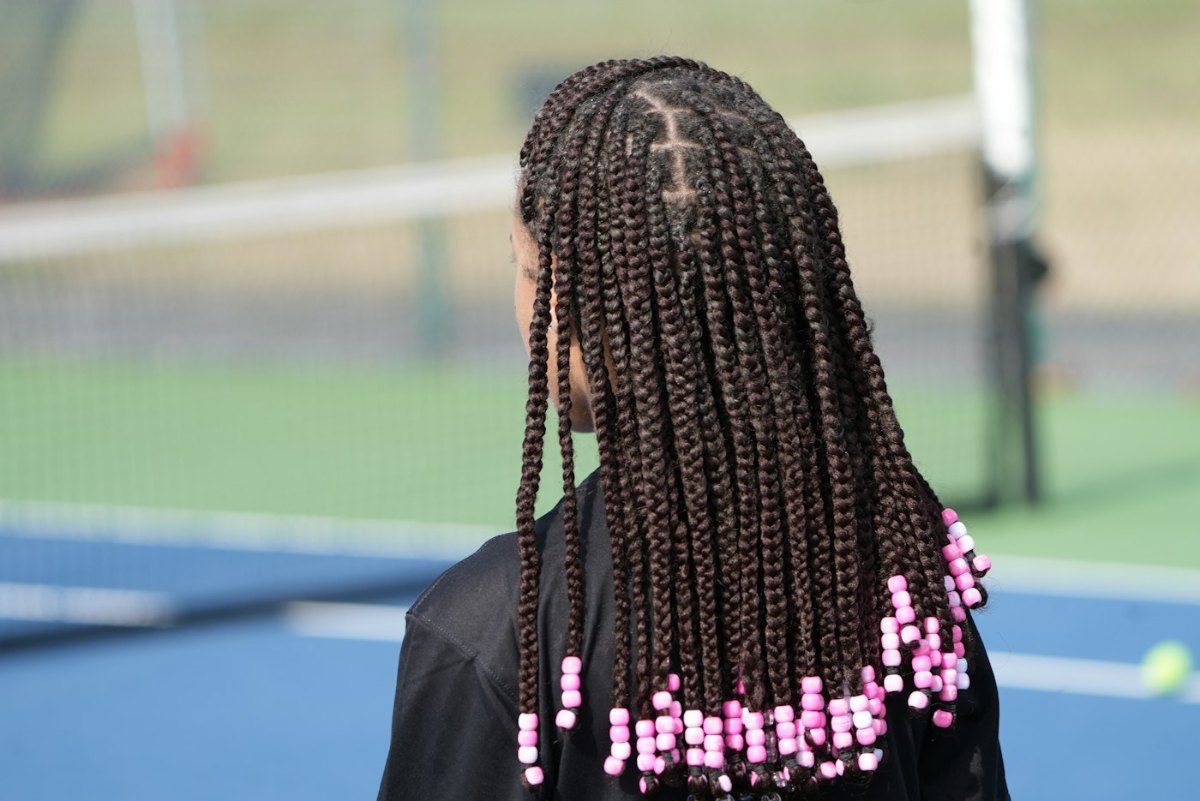
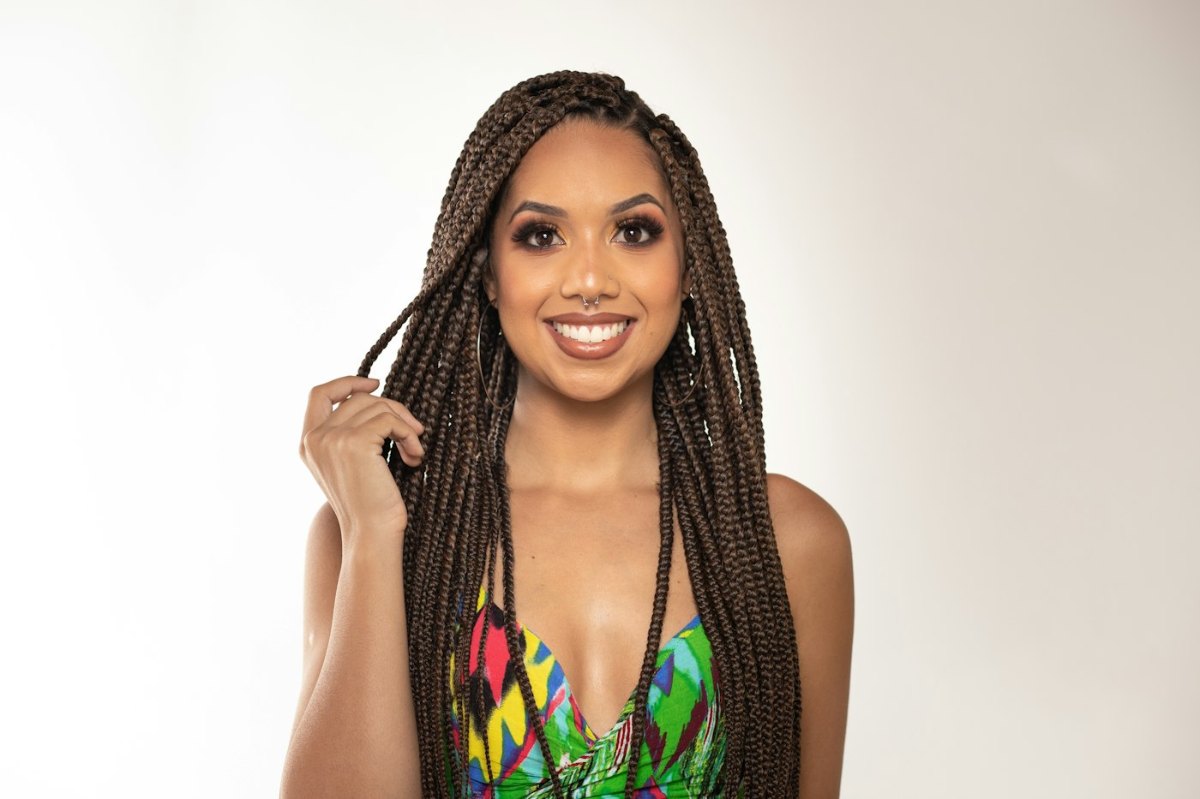
Box braids are a classic protective style, and they make a lot of sense when you want to leave your hair alone through the coldest months. Each braid is sectioned in a small square, which gives the style its name, and your natural ends stay tucked inside the braid. Stylists often suggest keeping them in for around four to six weeks, and the AAD says not to leave braids longer than six to eight weeks. A good installation should feel comfortable, never painful.
Best for: a low-effort, long-lasting winter style.
Maintenance: medium. Moisturize your scalp lightly, cover your braids with a silk scarf at night and avoid heavy products that cause buildup.
Styling tip: choose a length that sits above your waist so braids don’t get caught in coat zips and backpack straps.
9. Knotless braids
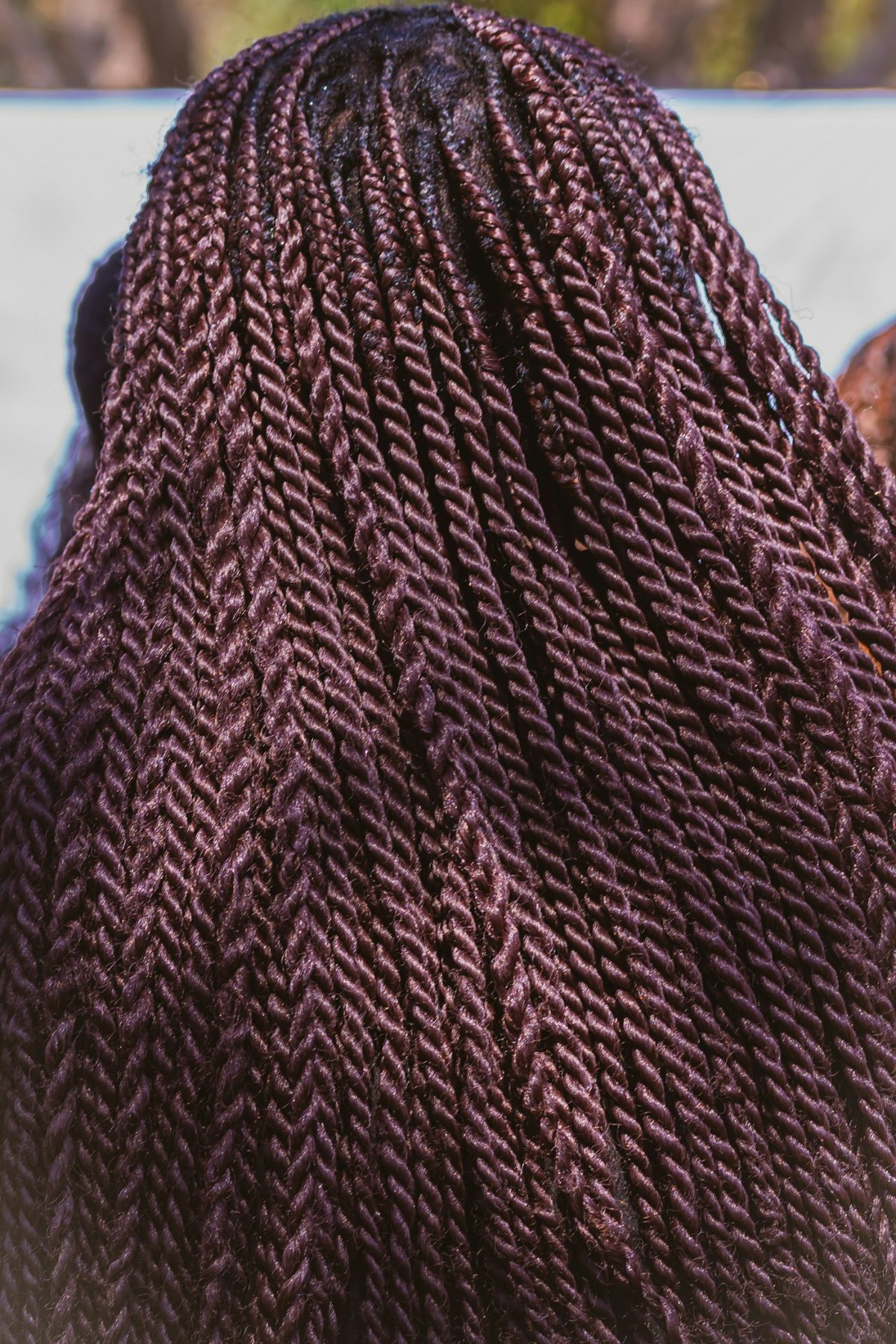
Knotless braids start with your own hair and gradually feed in extra hair as the braid goes down, so there’s less bulk at the root. Many people find that this makes the style feel lighter and look more natural at the scalp. They look polished from the first day and age gracefully as hair grows. If you’ve tried traditional box braids and found them heavy, this version is worth asking about.
Best for: people who want a lighter, natural-looking protective style.
Maintenance: medium. Keep the scalp clean and moisturized, and don’t skip the silk bonnet at night.
Styling tip: ask your stylist for medium-sized braids, which tend to look the most flattering and hold up the best.
10. Cornrows or stitch braids
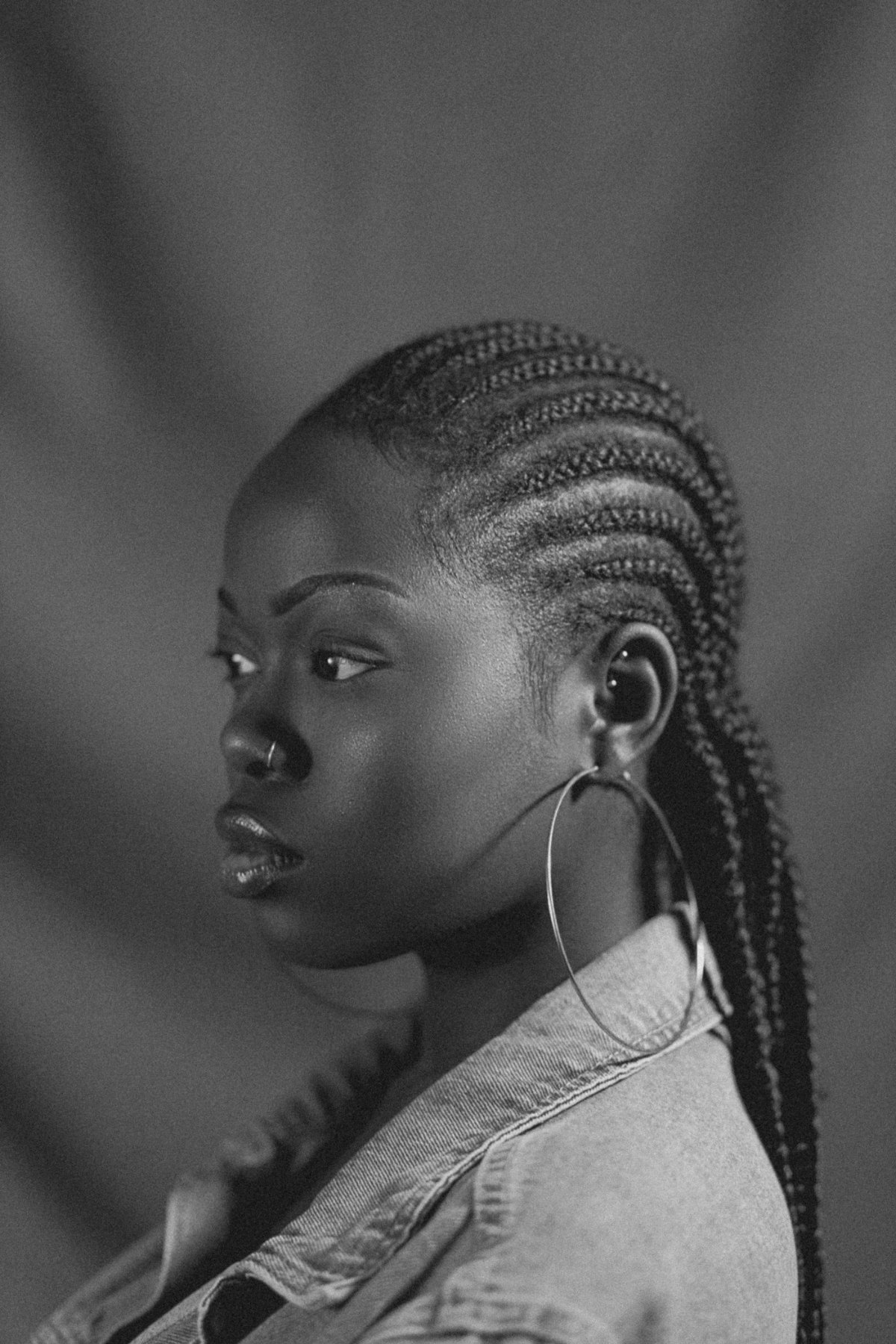
Cornrows lie flat against your scalp and can be styled in endless patterns, from simple straight-backs to curved designs. They’re a beautiful, practical choice because they fit under hats and wigs and they need very little daily styling. Stitch braids add a neat, graphic look with crisp lines. Pick a stylist who has a portfolio you love, because this style is all about precision.
Best for: hat-heavy days and low-maintenance mornings.
Maintenance: low to medium. Moisturize the scalp lightly and protect the braids with a satin scarf at night.
Styling tip: add a few small gold cuffs at the ends for a festive touch.
11. Braided half-up
This is the style I promised. Take two small sections from the top of your head, braid each one, and clip them together at the back while the rest of your hair falls loose. It looks polished enough for a dinner, but takes about as long as a ponytail. Because most of your hair stays down, it also covers your ears and neck on cold nights. If you like this idea, our guide to half up half down hairstyles has more variations.
Best for: dinners, parties and fine or medium hair.
Maintenance: low. Spray a little dry shampoo at the roots before braiding for extra grip.
Styling tip: pin the braids with a small barrette or a pearl clip for a holiday detail.
12. Braided ponytail
A braided ponytail is a clever upgrade for the easiest hairstyle there is. Make a high or low ponytail, then braid the length and secure it with a thin elastic. It looks neat for the gym, the office or a long walk. Wrap a small section of hair around the elastic to hide it, and the look becomes instantly more finished. It’s also a great choice for hair that’s a few days past its wash.
Best for: work days, workouts and travel.
Maintenance: low. Use a snag-free elastic to protect your hair.
Styling tip: wrap a slim velvet ribbon around the base for a winter-ready finish.
How to prep your hair before braiding
A good braid starts before the first crossing. Detangle your hair gently, working from the ends up, so you don’t pull on knots while braiding. Braiding tangled hair is how you end up with a lumpy braid and a sore scalp.
Add a little grip. Freshly washed hair can be slippery, so a texturizing spray, a bit of dry shampoo or a light mousse gives the strands something to hold on to. For very dry winter hair, a pea-sized amount of leave-in conditioner works better than a heavy cream.
Finally, section with a comb. Clean parts make the finished braid look sharper and keep the tension even, which is kinder to your hairline.
Easy accessories that make braids feel finished
Accessories can take a basic braid from weekday to party in seconds. Velvet ribbons are a natural fit for winter, pearl pins add a soft dressy detail, and small gold cuffs look great on box braids and cornrows.
Keep it to one accessory so the braid stays the focus. If you’re wearing statement earrings, skip the hair jewelry entirely.
Choosing a braid for your hair type
Fine, straight hair does best with fishtail braids, braided buns and half-up braids, because the small sections add texture. Thick or wavy hair suits Dutch braids and crown braids, which hold the weight neatly. Curly and coily hair can wear almost every style here, and protective braids such as knotless braids and cornrows are especially useful when you want to cut down on daily styling in cold weather.
Quick comparison: which braid should you pick?
| Style | Time to do | Lasts | Best for | Difficulty |
|---|---|---|---|---|
| Loose side braid | 10 minutes | 1 day | Everyday | Easy |
| French braid | 15 minutes | 1 to 2 days | Hat days | Medium |
| Dutch braid | 15 minutes | 1 to 2 days | Windy days | Medium |
| Fishtail braid | 15 minutes | 1 day | Fine hair | Medium |
| Braided low bun | 20 minutes | 1 day | Parties | Medium |
| Crown braid | 20 minutes | 1 day | Formal events | Hard |
| Two Dutch braids | 15 minutes | 1 to 2 days | Sporty looks | Medium |
| Box braids | Several hours | 4 to 6 weeks | Protective style | Salon |
| Knotless braids | Several hours | 4 to 6 weeks | Light protective style | Salon |
| Cornrows or stitch braids | 2 to 4 hours | 2 to 4 weeks | Low maintenance | Salon |
| Braided half-up | 10 minutes | 1 day | Dinners | Easy |
| Braided ponytail | 10 minutes | 1 day | Work and travel | Easy |
What to say to your stylist
If you’re booking a salon braid, bring a photo and use words that explain how you want it to feel. Here’s a script you can copy and paste:
Hi, I’d like [box braids / knotless braids / cornrows] in a [small / medium / large] size and [mid-back / waist] length. I want them comfortable, not tight, especially around my hairline. How long would you recommend I keep them in, and what should I use to care for my scalp?
A good stylist will welcome those questions. If anything feels painful during the appointment, speak up straight away.
What to expect with a protective braided style
- Day 1 to 3: your scalp may feel a little tender. It should settle quickly, and sharp pain is a sign to ask for adjustments.
- Week 1: the braids look their neatest. Moisturize lightly and cover them with a silk scarf at night.
- Weeks 2 to 3: small flyaways appear. A little braid spray or mousse smooths them without making the braids heavy.
- Weeks 4 to 6: you’ll see new growth at the roots. This is the best time to start planning a take-down.
- Weeks 6 to 8 at most: take them out. The AAD says not to leave braids in longer than this, so give your hair a break afterward.
Winter braid care that actually matters
Cold air and indoor heating dry hair out fast. A light leave-in conditioner, a silk or satin pillowcase and a satin-lined hat all help. Avoid wet hair outside in freezing temperatures, because it can feel brittle and tangle easily.
If you’re pairing braids with a color change, see our guide to winter hair colors for shades that look good in grey winter light. And if you’re dressing the whole look, winter outfits for women has outfit ideas that go with all of these styles.
FAQs
Can I wear a hat over braids?
Yes. Flat braids like French, Dutch and cornrows work best under a beanie. For a bun or crown braid, choose a looser hat or a headband.
How do I stop static in winter?
Use a tiny amount of leave-in conditioner or a light hair oil, and avoid wool scarves rubbing directly on your hair. A satin-lined hat reduces friction too.
How long can I keep braids in?
Stylists often suggest four to six weeks for box braids, and the AAD advises not exceeding six to eight weeks for any braided style. Always listen to your scalp.
Should braids feel tight?
No. A little tenderness on day one can be normal, but ongoing pain, stinging or bumps are signs the braids are too tight. See your stylist or a board-certified dermatologist.
Which braid is easiest for beginners?
The loose side braid and the braided ponytail are the easiest. After that, try the half-up braid, then the French braid.
Final thoughts
The best winter hairstyle is the one you don’t have to fix every hour. Pick one braid from this list, practice it once this week, and save the dressier ones for party season. Pin your favorite and try it on your next cold morning.
Related Post