
Please note that we do not create all the designs featured in this article. Our primary focus is to curate and collect a diverse range of design collections and products to inspire and share with our audience. While we do not claim ownership or take full credit for the original designs and images, we occasionally make minor adjustments, particularly in home decor and fashion items, to present them more effectively. Additionally, we may produce and edit images to enhance their quality and composition before sharing them on our Pinterest page or website. For the design work we do on these creative designs, we also include our logo on the images shared on Pinterest and our website. This helps our audience recognize that these designs have been published on insiderlyfe.com!
You bring a photo to the salon. It shows two bright, face-hugging strands against dark brown hair, and you say, "I want this." An hour later you walk out with a few thin, barely lighter streaks that disappear the moment you tuck your hair behind your ear.
Or it goes the other way. You try a box kit at home, leave it on a little too long, and end up with a harsh yellow stripe that makes your whole face look tired.
Both stories come from the same mix-up. A money piece is one of the easiest ways to refresh your hair color, but it only works when the contrast, the shade and the placement match your base color and your cut.
This guide is for anyone with brown, blonde, black or dark hair who wants a brighter frame around the face without committing to a full head of highlights. Below are ten looks, each with the exact shade to ask for, who it suits and how long it lasts. After the list you will find salon prices in USD and GBP, the words to say to your stylist, an upkeep timeline and the at-home mistakes to avoid.
One to look out for: number 8 is the bold, chunky version that looks dramatic in photos but is easier to wear than it seems. Keep scrolling.
What a money piece is, and how it differs from face-framing highlights
A money piece is a section of lightened hair at the very front of your head, on one or both sides of the part, framing the face. Colorists at Madison Reed describe it as lightening only the face-framing pieces. Grazia quotes colorist Luci Green explaining that salons create it by taking fine slices of hair around the frame of the face. To count as a true money piece, the color should be at least two shades lighter than the rest of your hair.
Face-framing highlights are the wider family. They can be subtle, blended and spread through the front sections, and they often sit close to your natural color. A money piece is the high-contrast, deliberately visible cousin: a clear, brighter block at the front that you can see from across a room.
Think of it this way. Face-framing highlights say "a little brighter". A money piece says "this is the feature". Stylists can also mix the two, with a bold front section and softer highlights behind it.
How the lightener works (and why dark hair needs patience)
Hair color comes from pigment. To make dark brown or black hair visibly lighter, a colorist uses lightener (often called bleach) to lift that pigment out. Dark hair passes through warm stages on the way up, usually red, then orange, then gold and yellow. That is why a rushed lift on dark hair can look brassy.
The stylist paints or foils only the chosen sections, watches the lift, and then rinses. The final step is toning (also called glossing), which adds a sheer color to neutralise unwanted warmth. L’Oréal Paris notes that after bleaching you can leave the strands as they are, or tone them for an ashier finish. A toner is the difference between a creamy blonde and a warm yellow.
Because only a small section is lightened, a money piece is usually kinder to your overall hair than a full head of highlights. It is still lightener, though, so ask about a strengthening treatment and plan for extra moisture afterwards.
Quick guide: choosing your shade and contrast
- Subtle: one to two tones lighter than your base, in fine strands. Madison Reed suggests this for a soft change.
- Clear contrast: at least three shades lighter, in a thicker section. This is the classic money piece.
- Vivid: copper, pink, purple or another fashion color on bleached strands.
- Part matters: John Frieda notes that a middle part suits matching pieces on both sides, while a side part may call for a thicker piece on the heavier side.
1. Blonde money piece on dark brown hair
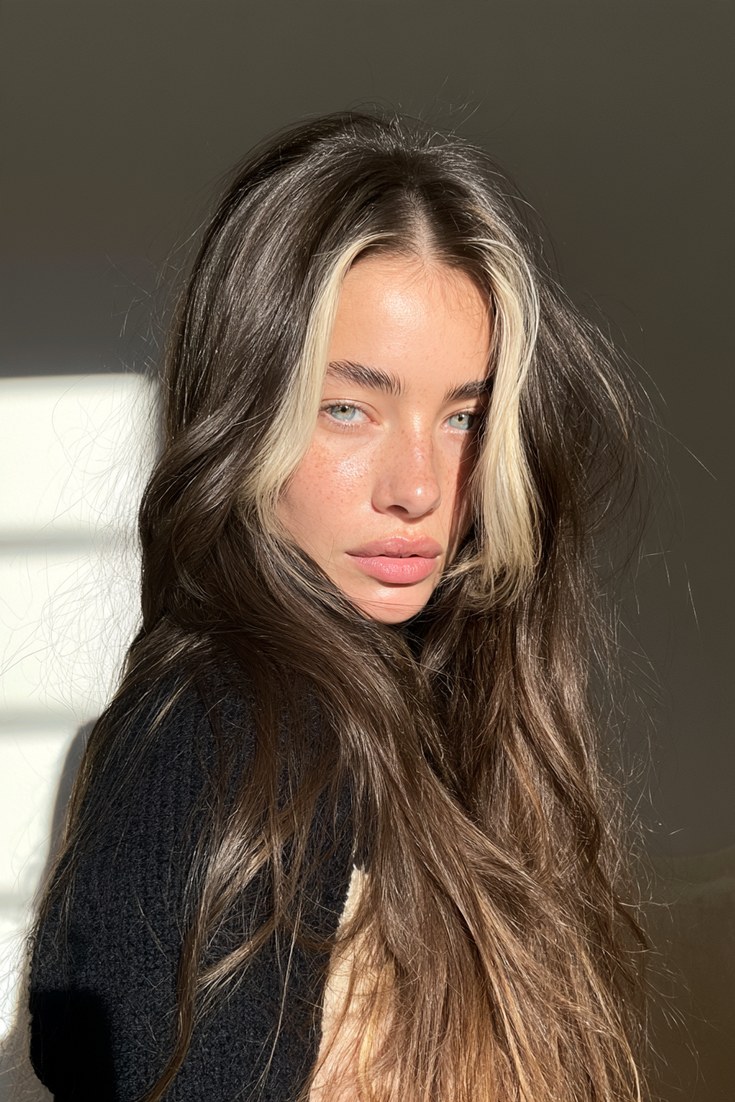
The classic. Two bright, creamy blonde strands against a rich dark brown base, and the contrast does all the work.
Ask for a pale golden blonde with a soft beige toner rather than a stark white, which can look harsh against dark hair. The stylist will lift those front sections through the warm stages, then tone them. Expect the salon visit to run longer than a simple root touch-up.
Best for: medium to deep brown bases and cool or neutral skin. If you are very pale with a rosy undertone, choose a softer honey blonde.
Maintenance: one hairstyle roundup suggests a refresh around every 4 to 6 weeks for the sharpest contrast, but the strands stay attractive for longer if you tone at home.
Styling tip: use a purple shampoo about twice a month on the blonde sections only.
2. Caramel money piece on brown hair
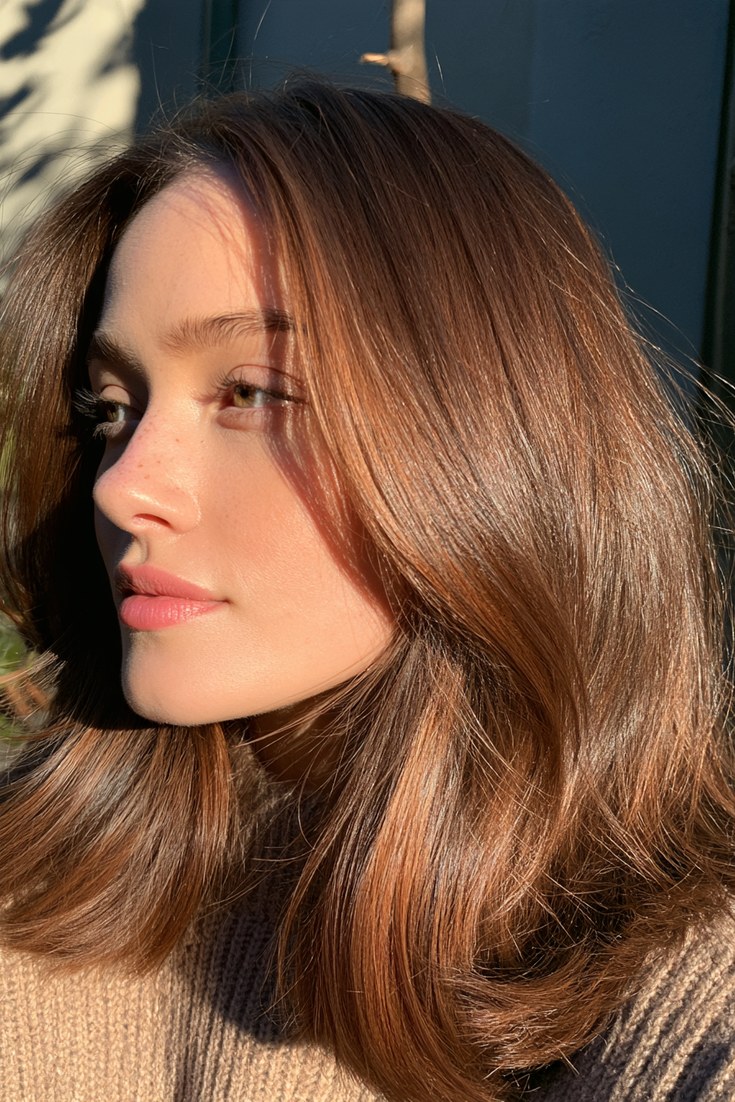
The easiest first step. Caramel sits only two to three tones above a medium brown base, so it reads as warm light rather than a statement.
Ask for "caramel with a golden tone, blended at the root". L’Oréal suggests light caramel for medium brown hair when you want a subtle look. A shadowed root helps the pieces melt into your natural color instead of showing a hard line.
Best for: warm, olive and golden skin tones, and anyone who has never lightened their hair before.
Maintenance: thin, softly blended pieces can last three to five months before a touch-up, according to a stylist quoted by The Zoe Report.
Styling tip: a clear gloss between appointments keeps caramel shiny and stops it fading to a flat yellow-beige.
3. Copper money piece
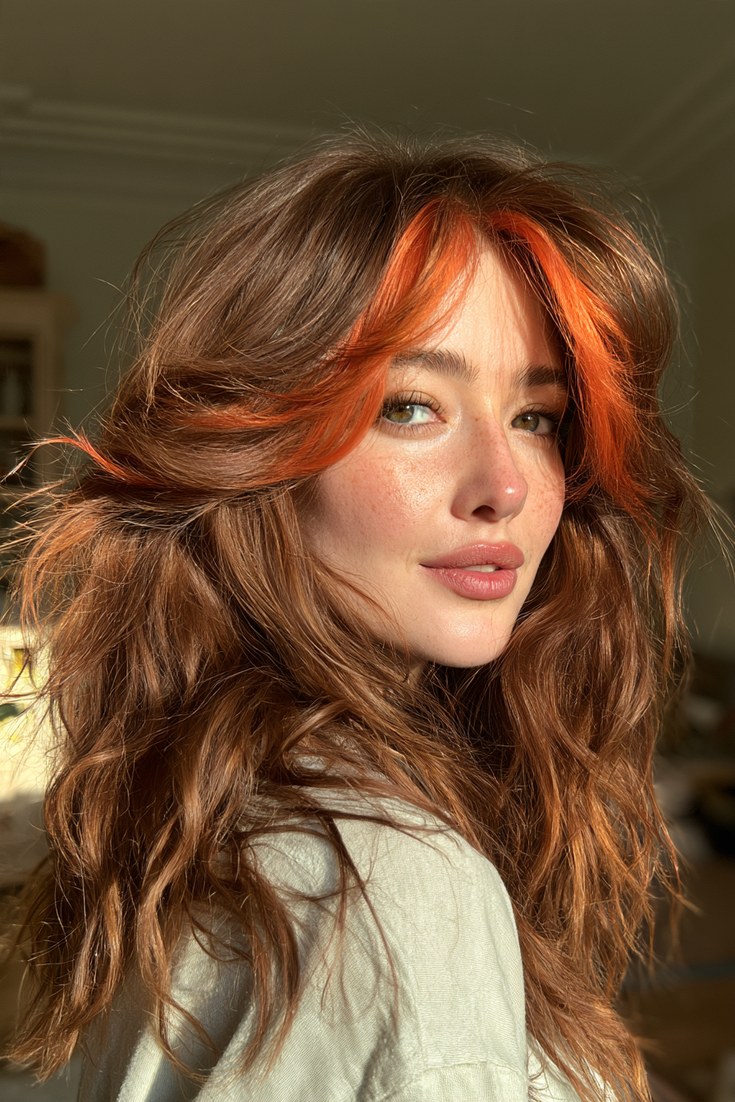
Copper is the warm, sunlit cousin of blonde, and it is made for autumn and winter. Madison Reed lists copper among the vivid options for a money piece.
Ask for "a copper money piece, lifted and glossed, not brassy orange". Because it is a warm tone, it needs the hair to be lightened to a clean gold first. The gloss then gives the rich, cinnamon finish.
Best for: warm brown, auburn and dark blonde bases, and for olive or golden skin.
Maintenance: red and copper shades wash out faster than blonde, so expect to gloss often. Wash with cool water and a color-safe shampoo.
Styling tip: book a gloss refresh in the weeks before a big event so the copper looks glossy, not dull.
4. Face-framing money piece on black hair
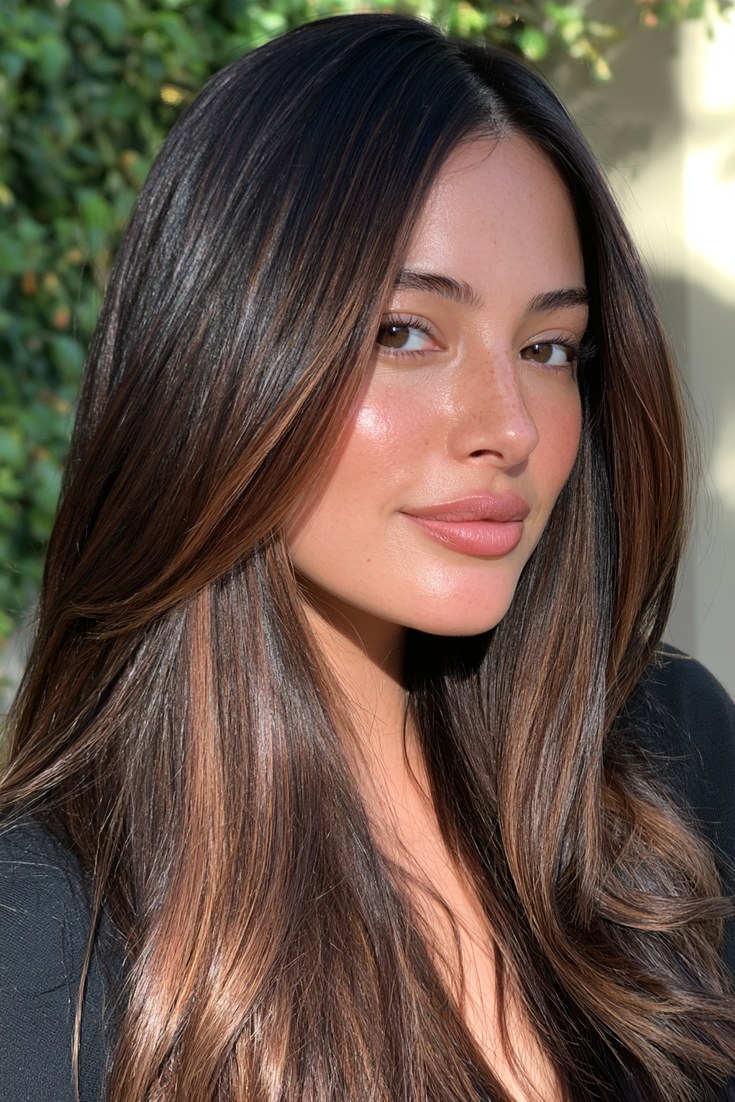
Black hair can carry a money piece beautifully, but the shade needs to be chosen with care. A stark platinum against jet black can look like a wig stripe; a rich honey, bronze or toffee looks expensive.
Ask for "toffee to honey, lifted in stages, with a gloss for shine". John Frieda recommends that black or dark brunette hair is lightened by a stylist, not at home, and this is the reason: it takes real skill to lift dark pigment without damage.
Best for: black, soft black and very dark brown hair of any texture, especially with a deep or medium skin tone.
Maintenance: a gloss every 6 to 8 weeks keeps the tone rich.
Styling tip: ask for a deep conditioning treatment in the same visit, as dark hair needs a stronger lift.
5. Money piece with curtain bangs
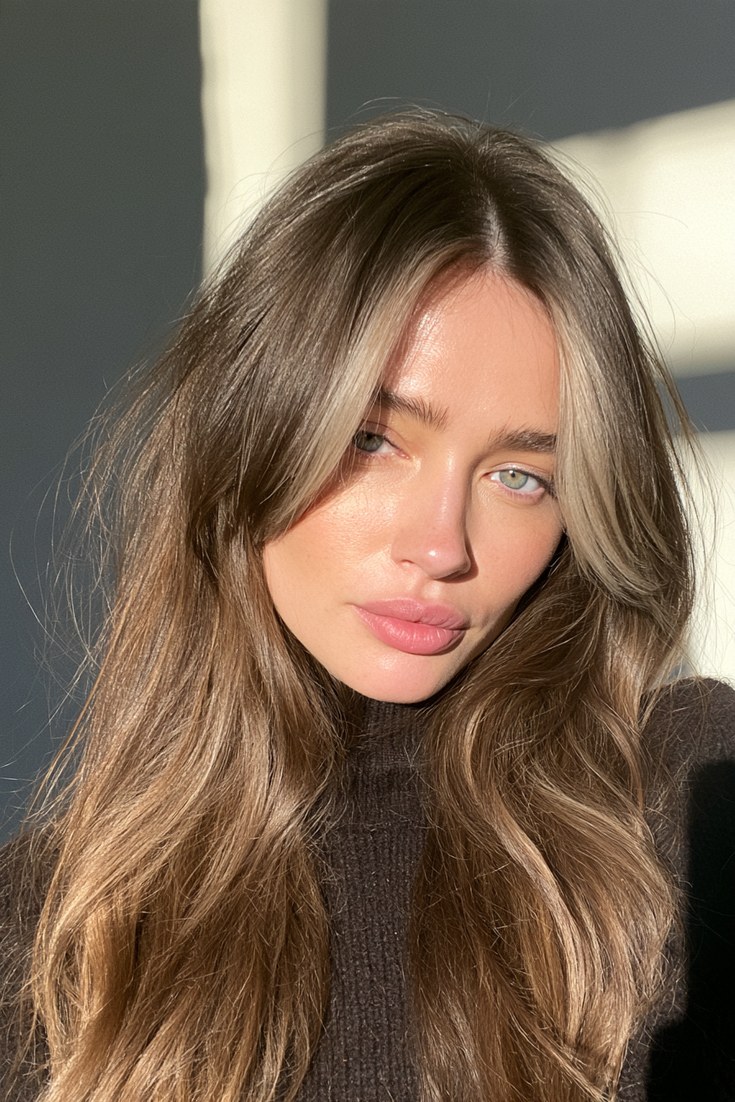
Curtain bangs are made for this. They sweep outward in two soft curves, so the lightened pieces sit right where the eye lands.
Ask your stylist to place the color on the longest, outermost curtain pieces and the first few strands behind them. One thing worth knowing: Behind the Chair notes that bangs affect the placement, because the look needs a full hairline to frame.
Best for: oval, heart and long face shapes, and anyone growing out a fringe who wants a reason to love the in-between stage.
Maintenance: because the pieces are short, the color grows out neatly. Plan a trim and a gloss together every 8 weeks.
Styling tip: blow dry the curtains with a round brush, then flip the ends outward, to show off the contrast.
6. Money piece on curly hair
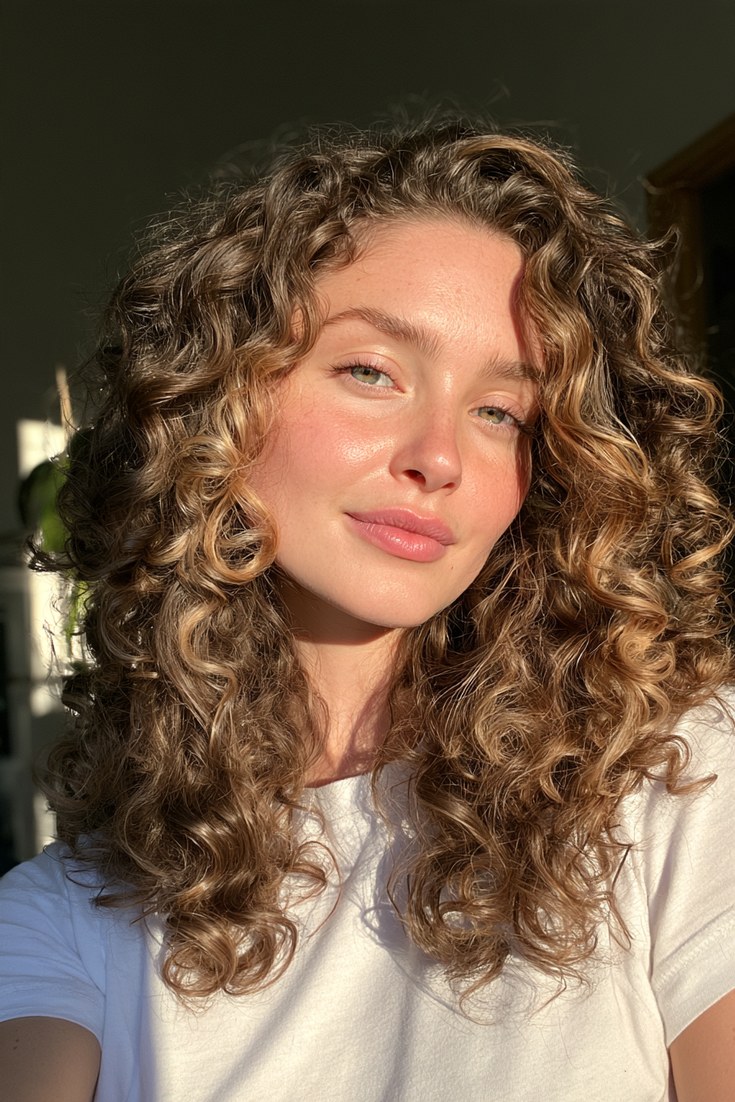
On curls, a money piece becomes a handful of bright ringlets that pop against darker coils. It is dimension in its purest form.
Ask your stylist to color curls in their natural, dry or semi-dry pattern, so the lightened clumps land where they will actually sit. Request "clumps, not stripes" so the color follows the curl instead of cutting across it. Lightener can loosen curl pattern in over-processed hair, so ask about bond protection.
Best for: wavy, curly and coily hair, and all base colors from black to light brown.
Maintenance: every 8 to 12 weeks. Curly hair is naturally drier, so use a moisture mask weekly.
Styling tip: scrunch in a curl cream and diffuse on low heat so the bright pieces stay defined.
7. Subtle money piece on a bob
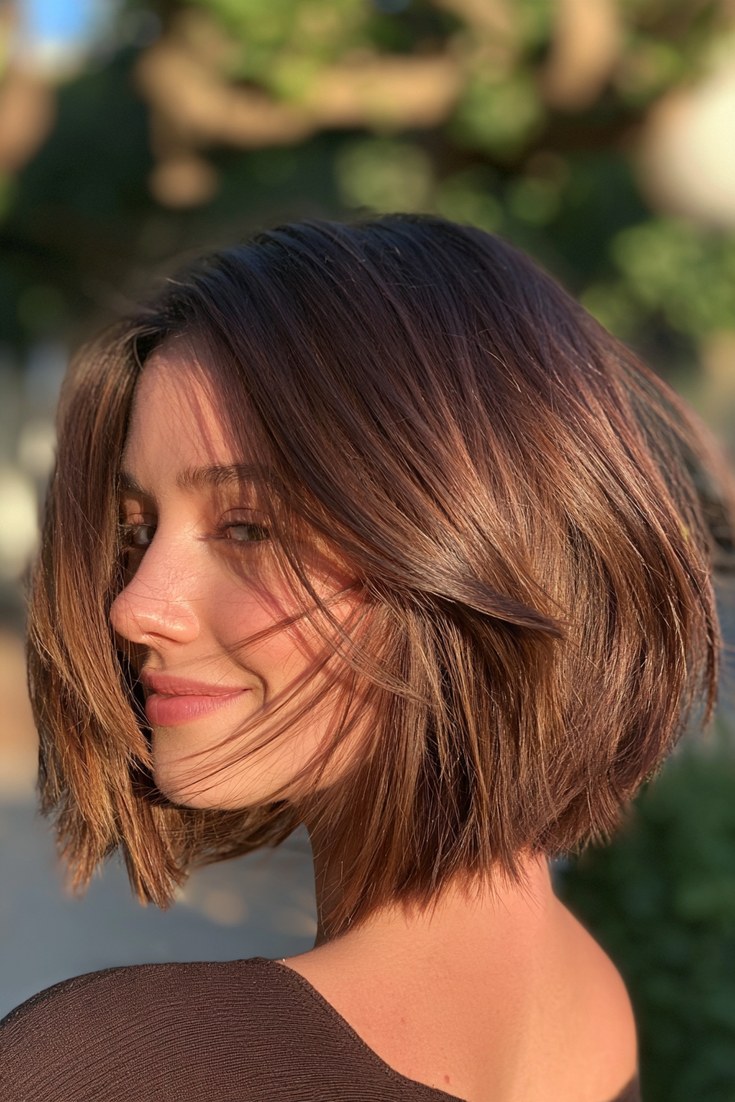
A bob has little hair to spread color across, so the money piece is concentrated and very visible. That is why a softer, finer touch often looks best.
Ask for "fine slices, one to two tones lighter, a soft golden tone, and no sharp line at the root". Fine strands give a subtle effect while chunkier pieces give a bold one, according to Madison Reed. If you want more ideas for the cut itself, see these winter bob haircuts.
Best for: blunt bobs, lobs and a-line shapes, and anyone with a professional environment who wants a quiet refresh.
Maintenance: a trim every 6 to 8 weeks will keep the shape sharp, and the color can often go three months or more.
Styling tip: tuck one side behind your ear and leave the other forward to show off the lighter section.
8. Bold chunky contrast money piece
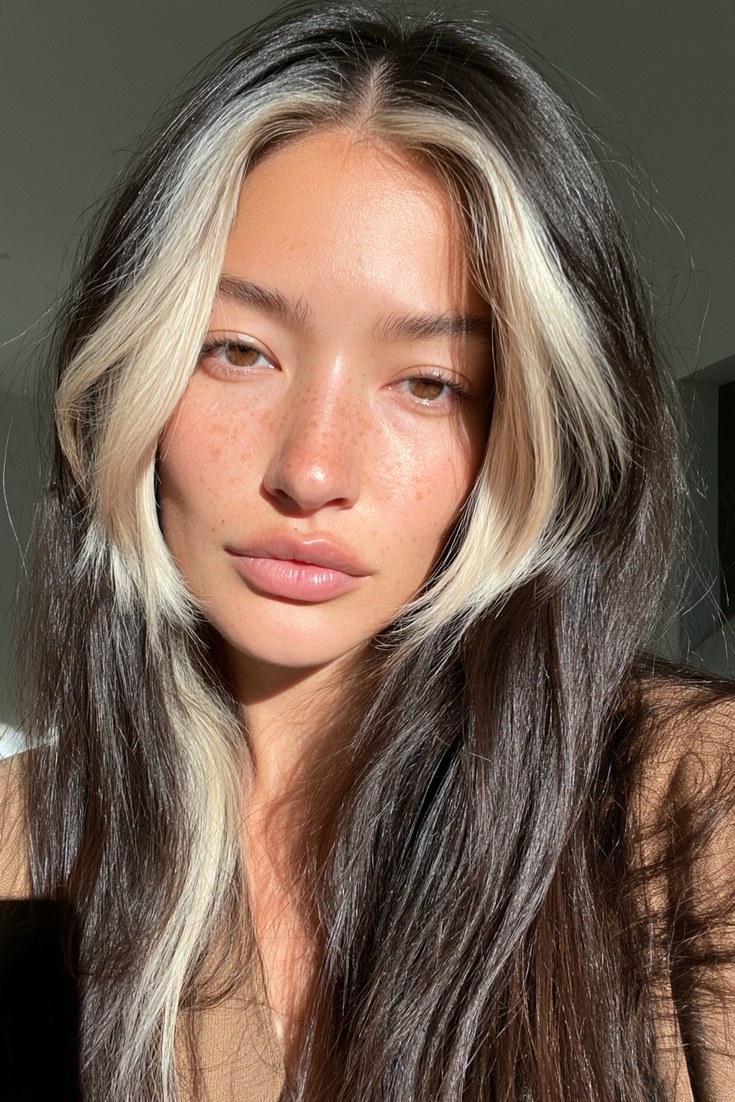
This is the loud one: two thick, bright sections that you can see from the other side of the room. It is the look people picture when they say "money piece".
Ask for "at least three levels lighter, thick pieces, and a toner to keep them clean". The Zoe Report quotes a colorist who puts thicker, higher-contrast pieces at about six to eight weeks between appointments. For a first bold attempt, a stylist might start with a medium thickness and add more at your next visit.
Best for: straight to wavy hair, a medium to long length, and anyone who loves a statement.
Maintenance: high. Plan for a refresh every 6 to 8 weeks and a weekly bond-repair mask.
Styling tip: keep the rest of your hair simple and glossy, so the contrast stays the star.
9. Money piece on long layers
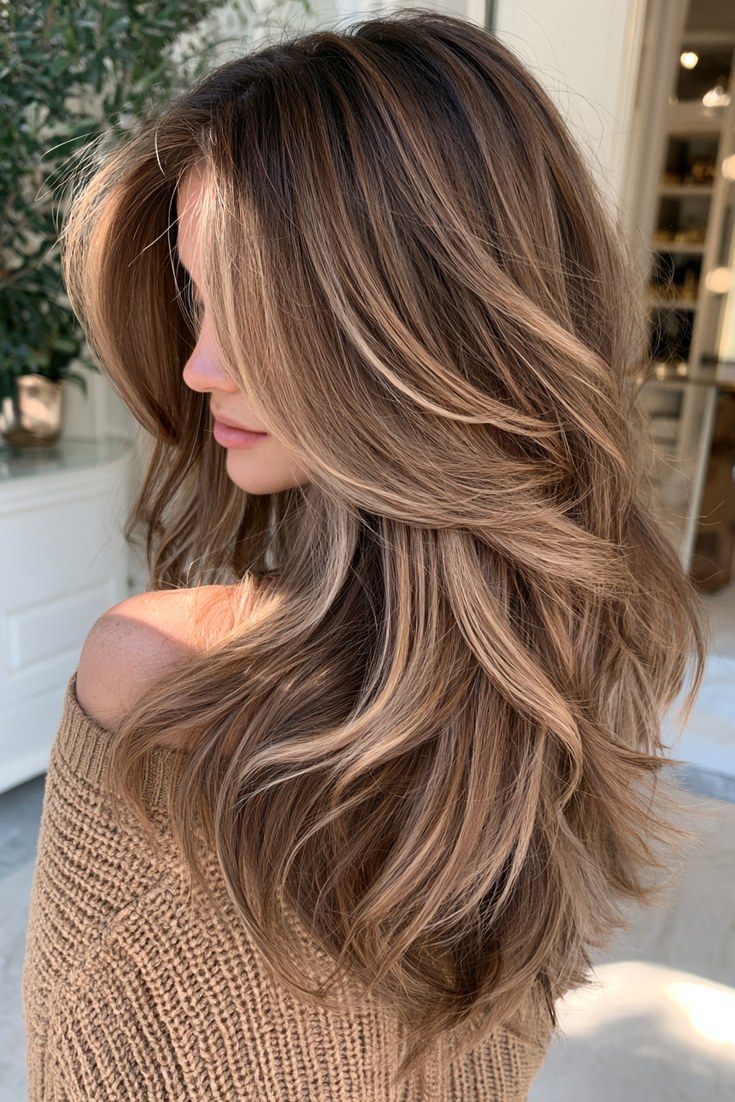
Long layers add movement, and a money piece adds a bright line that follows that movement. The result is a swing of color that catches the light when you turn your head.
Ask your stylist to cut the face-framing layers first, then place the color on them. Color that follows the layers looks intentional, while color placed before a cut can end up chopped off. Say "color that follows my face-framing layers and fades toward the ends".
Best for: medium to thick hair, and anyone who wears their hair down and loose most days.
Maintenance: every 10 to 12 weeks for the color, and a layer refresh every 3 months.
Styling tip: loose waves in a large barrel curl show off the dimension. For party season, try it with these New Year’s Eve hairstyles.
10. Vivid fashion color money piece
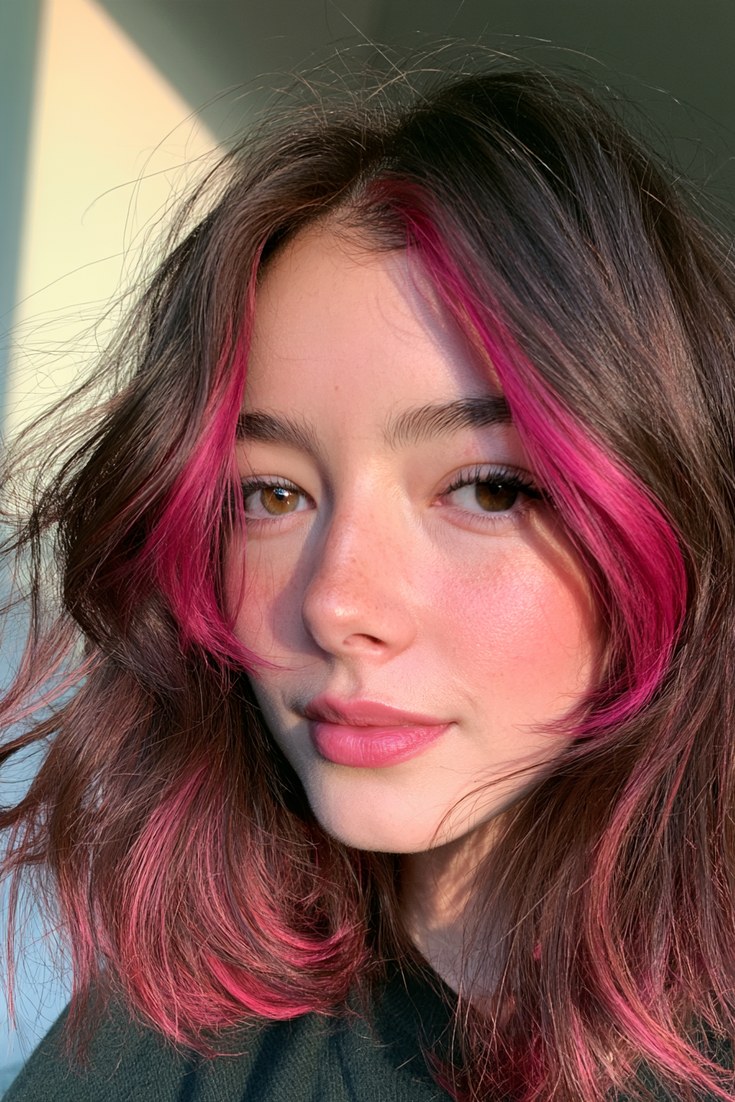
Pink, violet, teal or burgundy: a fashion-color money piece is a way to play without committing to a full head of color. Madison Reed lists purple and pink among the vivid options.
The catch is the lift. One roundup advises lifting the front of brown hair to a pale yellow first so a soft pink shows its true tone, while peach on dark brown needs an even lift to a pale level first. Ask for "lift to pale yellow, then a pink or violet gloss".
Best for: anyone happy to rebook often and with a base of mid to dark brown or black. For a gentler option, explore burgundy hair color.
Maintenance: vivid colors can fade within weeks. Wash cool, and use a color-depositing conditioner.
Styling tip: take a before photo so the stylist can compare tone to your inspiration.
Cost: what a money piece typically costs in the US and UK
Prices swing widely by city, salon level and how much lightening is needed, so treat these as ranges.
| Service | USD (typical) | GBP (typical) |
|---|---|---|
| Face frame only (money piece) | $100 to $200 | About £60 to £65 listed for face frame at independent salons |
| Half head or partial highlights with toner | Varies by salon | About £60 to £140, depending on salon and length |
| Full head of highlights including a money piece | $200 to $600 | Varies; ask for a quote |
| Bold multi-section brunette formula at a high-end salon | $500 to $650 (about four hours) | Varies; ask for a quote |
The US face-frame range and full-head range come from a colorist quoted by The Zoe Report. The $500 to $650 bold brunette figure comes from a Behind the Chair formula feature that also notes about four hours in the chair. The UK numbers are listed prices from independent salons on Booksy and will be higher in central London. If you are already booking highlights, a stylist quoted by The Zoe Report suggests asking for a brighter frame around the face instead of paying for a separate appointment.
What to say to your stylist
- "I want a money piece, at least three shades lighter than my base, in thick sections on both sides."
- "Can we keep it soft and blended at the root, with a shadow so it grows out nicely?"
- "Please tone it to a creamy, golden shade, not yellow or ash."
- "I part my hair on the left, so can the heavier side carry the thicker piece?"
- "How often will I need to come back, and what do I use at home between visits?"
- "Can you add a bond-protecting treatment or a gloss to finish?"
Bring two or three photos, keep them realistic for your base color, and stay open to advice. John Frieda recommends keeping your usual parting so the stylist places the color where it will sit.
Upkeep timeline: what to expect
| When | What to do |
|---|---|
| Day 1 to 3 | Skip heavy washing, use a color-safe shampoo and a bond or moisture mask. |
| Week 1 to 2 | Use a conditioning mask once or twice a week and heat protection before styling. |
| Week 3 to 4 | Start a purple shampoo twice a month for blondes, or a color-depositing conditioner for fashion colors. |
| Week 6 to 8 | Book a gloss for thick, high-contrast pieces. Subtle pieces can wait. |
| Month 3 to 5 | Thin, blended pieces can last this long. Book a touch-up or a new placement. |
Behind the Chair also notes that one colorist changes the placement at each visit to avoid over-processing the same strands. It is a smart habit to ask about.
At-home risks, and how to tone safely
Face-framing sections are easier to control than a whole head, which is why a home kit is tempting. John Frieda says lighter hair, such as blonde or light brown, can be done at home, while black and dark brunette hair should be left to a stylist.
- Leaving it on too long: go by the product’s timing and check often, because the pieces will lift to yellow or orange if rushed.
- Uneven thickness: comb out the strands, clip back the rest and check that both sides match before you apply anything.
- Skipping toner: bleach alone often leaves warmth. A toner or gloss is what turns yellow into a creamy shade.
- Bleaching over old box dye: previously box-colored hair can lift unpredictably. If in doubt, book a consultation.
- No strand test: test a hidden piece first, and do a patch test for the product before you start.
For toning, choose a purple shampoo or toning mask for blonde sections, and a blue-based toning shampoo for brassy orange tones on brunettes (Fanola No Orange is one example named in a hairstyle roundup). Use them gently, as over-toning can leave a dull violet cast.
Which look suits you
- Dark brown or black base: numbers 1, 4, 8 and 10 give the most visible contrast.
- Medium brown base: numbers 2, 3, 5 and 7 blend easily.
- Curly or coily texture: number 6, plus number 4 for a glossy finish.
- Blonde base: go a few tones lighter or deeper for contrast, or try a copper pop like number 3.
- Low maintenance: numbers 2, 7 and 9 grow out most gracefully.
If you are still deciding between a money piece and a full blend, our guide to balayage vs highlights explains the difference. And for warm brunette inspiration, see hot cocoa brown hair color ideas.
Common mistakes to avoid
- Choosing a shade too stark for your base: ask for a tone that suits your skin undertone, not just the photo.
- Going too thin and not seeing the effect: if you want a money piece, choose a section thick enough to show.
- Skipping the toner: it is the step that makes the color look polished.
- Forgetting the cut: a money piece looks best on hair with face-framing layers or curtain bangs.
- Expecting zero upkeep: choose a blended root or plan to rebook every 6 to 8 weeks.
- Using hot tools without protection: lightened strands are drier, so use heat protectant every time.
Frequently asked questions
Is a money piece the same as face-framing highlights?
Not quite. Face-framing highlights are the broader term and can be subtle and blended. A money piece is a distinct, brighter section at the front, usually at least two shades lighter than the rest.
Does a money piece damage your hair?
It uses lightener, so it can dry out the strands it touches. Because only a small section is lightened, it is usually gentler on your hair overall than a full head of highlights. Ask your stylist about bond protection and use a moisture mask.
How long does a money piece last?
It depends on contrast. Thicker, high-contrast pieces typically need a refresh in about six to eight weeks, while thinner, blended pieces can go three to five months, according to a colorist quoted by The Zoe Report.
Can I do a money piece at home on dark hair?
Stylists generally advise against it. John Frieda says black and dark brunette hair should be done by a stylist, since lifting dark pigment takes skill and a toner to avoid brassiness.
Which money piece color is best for brown hair?
Caramel, honey and golden blonde are the easiest and most flattering. For something bolder, copper or a creamy blonde at least three shades lighter will give clear contrast.
If you are planning your next color appointment, save this article to your Pinterest board so you can show your stylist the exact look you want.
Related Post