
Please note that we do not create all the designs featured in this article. Our primary focus is to curate and collect a diverse range of design collections and products to inspire and share with our audience. While we do not claim ownership or take full credit for the original designs and images, we occasionally make minor adjustments, particularly in home decor and fashion items, to present them more effectively. Additionally, we may produce and edit images to enhance their quality and composition before sharing them on our Pinterest page or website. For the design work we do on these creative designs, we also include our logo on the images shared on Pinterest and our website. This helps our audience recognize that these designs have been published on insiderlyfe.com!
Short answer: choose a keratin treatment if you want straighter, calmer hair that stays that way for months. Choose hair botox if your hair is dry, rough or worn out from heat and you want softness and shine without changing your natural texture.
Here is the part most salon menus skip: hair botox has nothing to do with Botox injections, and it will not straighten anything. It is a deep conditioning service. Keratin is the one that actually changes how your hair behaves.
Mixing the two up is how people end up paying $300 for a result they did not want. Wavy hair that was supposed to turn glossy comes out poker straight, or frizzy hair that needed smoothing leaves the salon soft but still puffy by lunchtime.
So let us settle it properly. Below you will find costs, how long each one lasts, who should skip each service, a word for word script for your stylist, and a free printable chart at the end. If you only read one section, make it number 4, because the questions your stylist asks before touching your hair decide whether you get a good result.
Quick caution before we start: prices below are rough ranges (around $150 to $500 for keratin and around $100 to $300 for hair botox in the US, or roughly £100 to £300 and £80 to £200 in the UK). Your city, your hair length and the salon level move those numbers a lot.
The 60 second comparison
| Keratin treatment | Hair botox | |
|---|---|---|
| What it does | Smooths the hair shaft, cuts frizz and loosens curl | Deep conditions, fills rough spots, adds shine |
| Straightens hair? | Yes, to a degree that depends on the formula | No, your texture stays the same |
| Lasts about | 3 to 5 months, fading gradually | 4 to 8 weeks |
| Rough cost (US) | Around $150 to $500 | Around $100 to $300 |
| Rough cost (UK) | Around £100 to £300 | Around £80 to £200 |
| Time in the chair | About 2 to 4 hours | About 1 to 2 hours |
| Heat step | Usually a flat iron to seal it in | Often a gentle heat or steam step |
| Best result on | Frizzy, wavy or curly hair that you want calmer | Dry, rough or heat-damaged hair that needs softness |
| Biggest catch | Some formulas release formaldehyde when heated | Short lived, and it will not change frizz shape |
1. Keratin on long brown hair: the sleek, hang straight finish
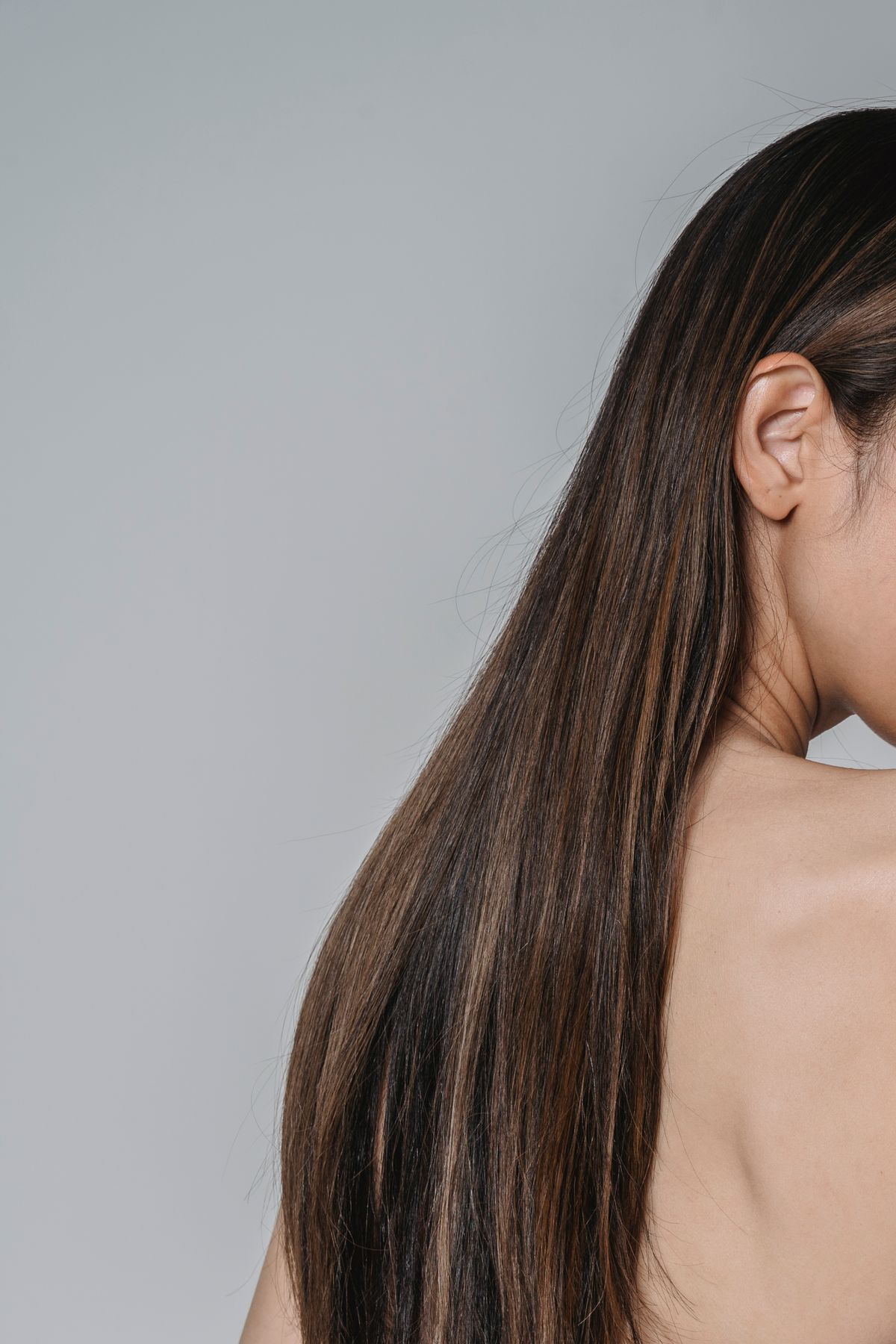
Look at how this long brown hair hangs in one clean sheet, with no fuzz at the edges. That is the picture most people have in mind when they ask for keratin.
A keratin service coats each strand and then gets sealed with a flat iron, which is why the result feels so different from a normal conditioning treatment. Blow dry time often drops sharply, and many clients say they stop reaching for the straightener most mornings.
My honest opinion: if frizz is the thing you fight every single day, keratin is the better spend. A softness boost fades in a month, while a smoothing service keeps paying you back for a season.
Best for: frizz that returns within an hour of styling, and hair that needs to look smooth without daily heat.
Upkeep: Expect it to fade slowly over about 3 to 5 months. Use a sulfate free shampoo and ask your stylist how long to wait before the first wash.
Styling tip: Let hair air dry about 80 percent and finish with a quick smooth blow dry for the cleanest line.
2. Hair botox on dark, glossy hair: shine without a texture change
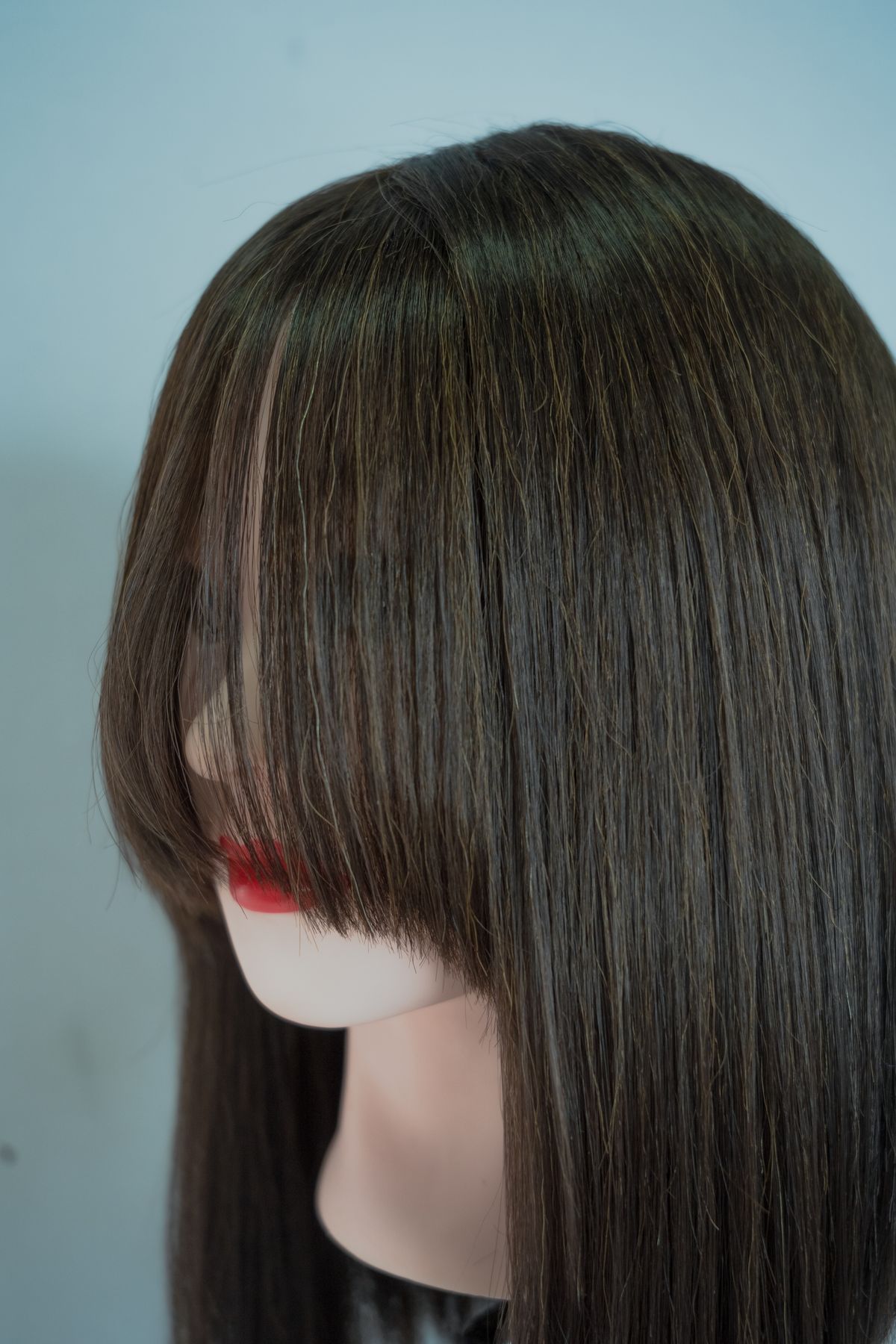
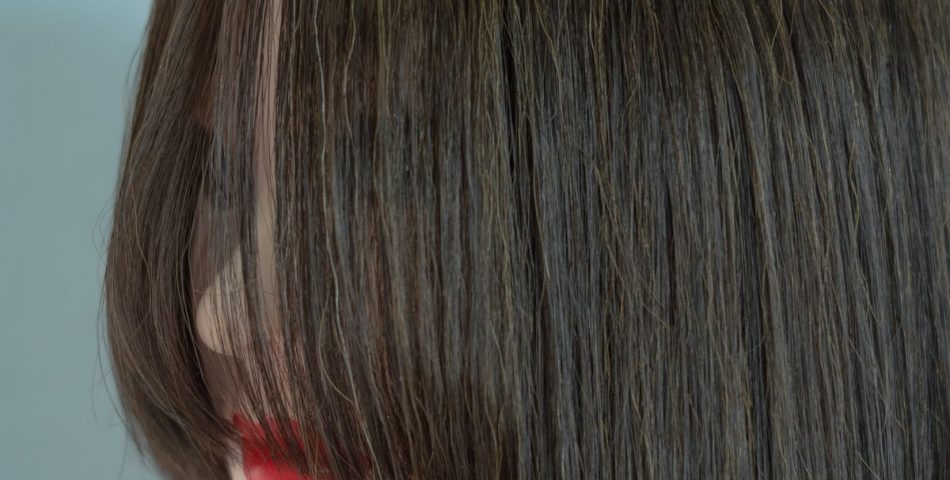
This close-up shows the kind of glassy shine hair botox is chasing. The surface looks even and light bounces off it, which is the real promise of a filling and conditioning service.
The treatment is usually a mix of conditioning ingredients such as proteins and vitamins worked through the hair and then sealed. It does not contain botulinum toxin, whatever the name suggests. Think of it as a very strong mask applied by a professional.
I like it for people who say, “my hair is fine, it just looks tired.” If that is you, this will feel like a reset. If your real complaint is frizz shape, it will not get you there.
Best for: rough, porous or heat-damaged hair that needs softness and shine.
Upkeep: Plan for 4 to 8 weeks of benefit, with the best results in the first month. A hydrating shampoo and a weekly mask stretch it.
Styling tip: Skip heavy oils on day one so the finish stays light and the shine reads clearly.
3. Copper hair and comb work: colour treated hair needs a plan
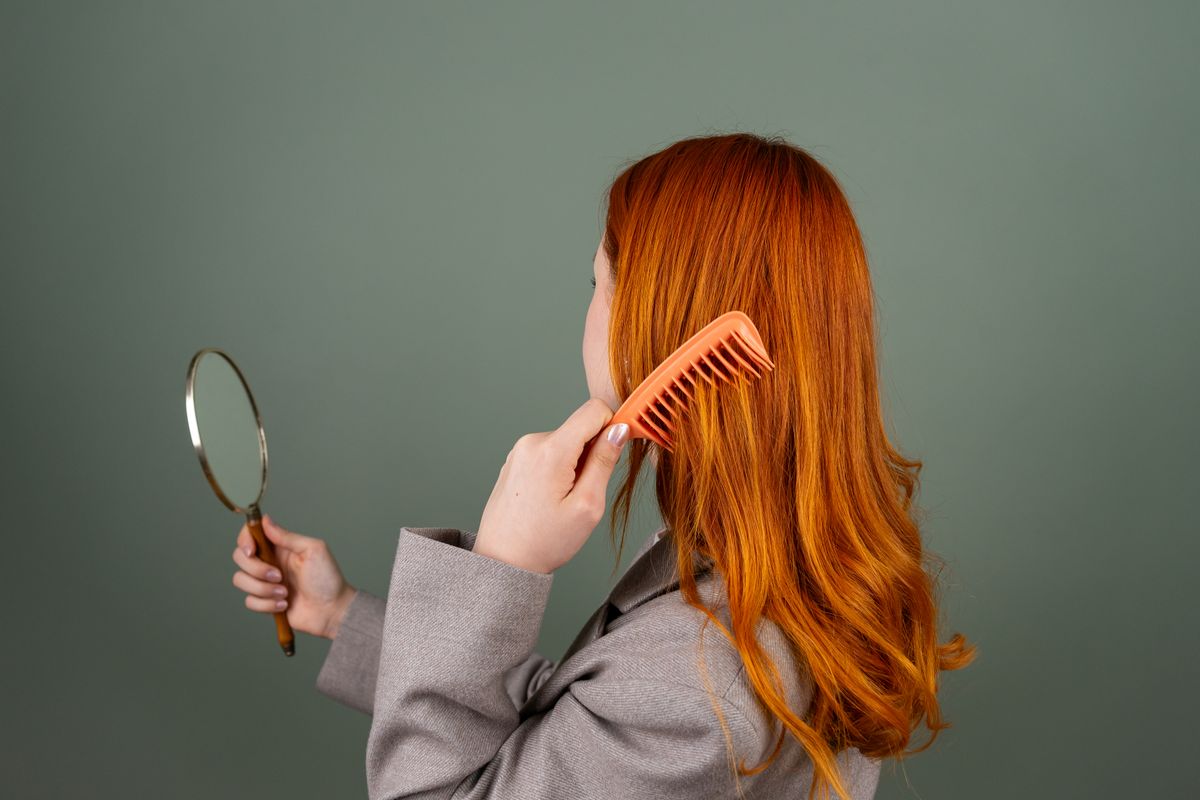
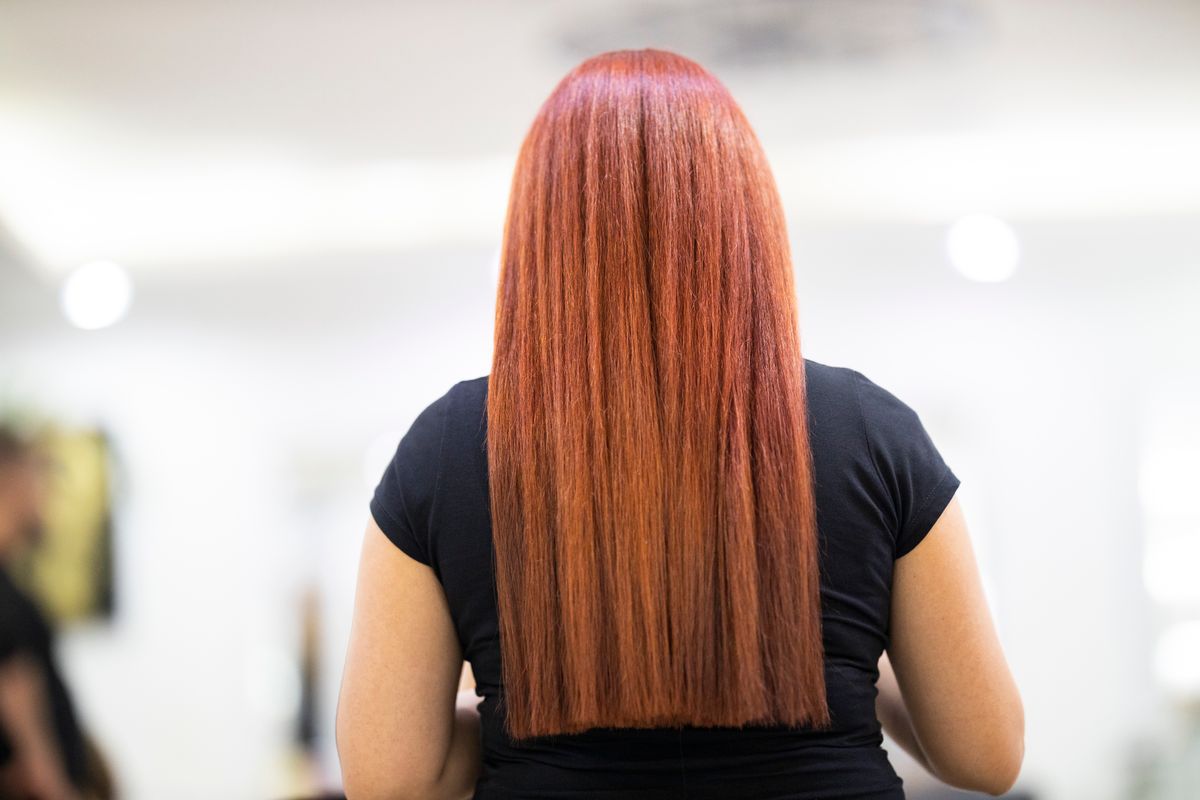
Anyone with a rich colour like this copper should ask one question before booking: how will this service treat my dye? Smoothing and filling services can soften a shade over several washes, and red tones are known for fading first.
Hair botox is usually the gentler pick for coloured hair because it focuses on moisture. Keratin can still work on coloured hair, but ask for a strand test and tell your stylist when you last coloured.
Book your colour first and your smoothing service after, with a gap your stylist recommends. Doing them the same day is how people end up with a surprise shade shift.
Best for: coloured hair, especially reds and copper, that you want to protect.
Upkeep: Use a colour safe, sulfate free shampoo and cool water rinses. Refresh the gloss on a regular schedule rather than waiting for the fade.
Styling tip: Comb through with a wide tooth comb in the shower, not a brush, to avoid stressing the cuticle.
4. Hair sectioning: the consultation that decides everything
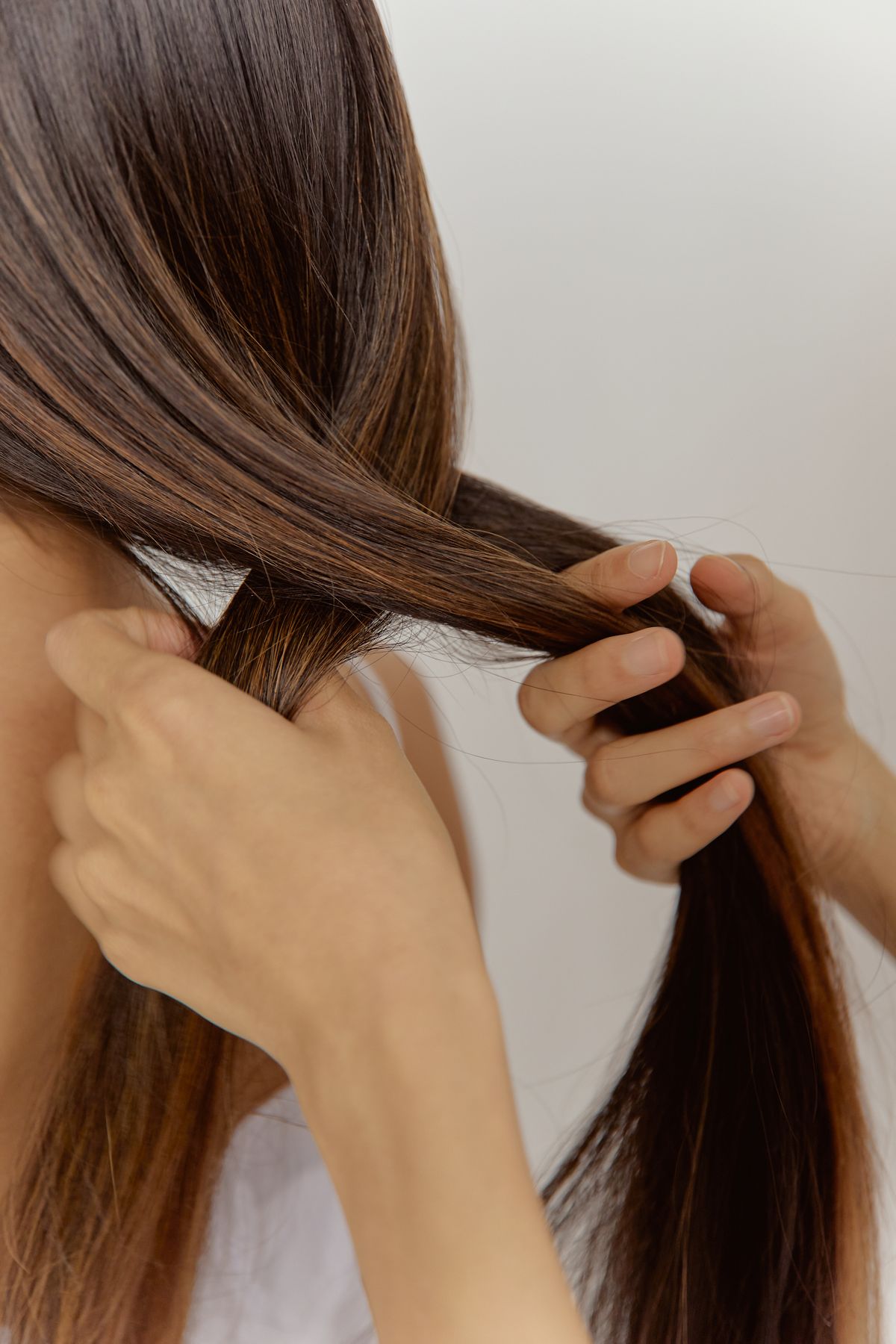
Notice the way a section of hair is being held and examined. That is what a good consultation looks like: your stylist checks thickness, elasticity and damage with their hands before choosing a product.
This is the step to protect. A stylist who offers one treatment to everybody is selling a menu, not a solution. Ask them to explain why they picked keratin or botox for your strands.
If your hair stretches and snaps when wet, say so out loud. That is a sign to choose a conditioning approach or to repair the hair before anything with heat goes near it.
Best for: anyone who is not sure which service fits, or whose hair has been bleached or relaxed.
Upkeep: No upkeep, but come with questions. A 10 minute consult beats a $300 mistake.
Styling tip: Take two photos of your hair on a normal day, one air dried and one styled, to show your stylist.
5. Blonde hair from behind: handle with extra care

Blonde hair, especially lightened blonde, has often been through bleach, and that changes the conversation. Bleached strands are more fragile, so the heat that seals keratin deserves a real discussion.
Many stylists lean toward hair botox or a strengthening treatment for lightened hair, and keep keratin for hair that is healthy enough to take the heat. Ask for the flat iron temperature and ask if a strand test is possible.
Do not be shy about walking away. A good stylist will respect it if you say you want to repair first and smooth later.
Best for: lightened or highlighted hair that needs shine and softness first.
Upkeep: Use a bond building or protein treatment on a regular routine, and keep heat styling low.
Styling tip: Add a purple or blue toning step only if your stylist recommends it, since some smoothing products change how toners behave.
6. The flat iron step: why heat is the real risk
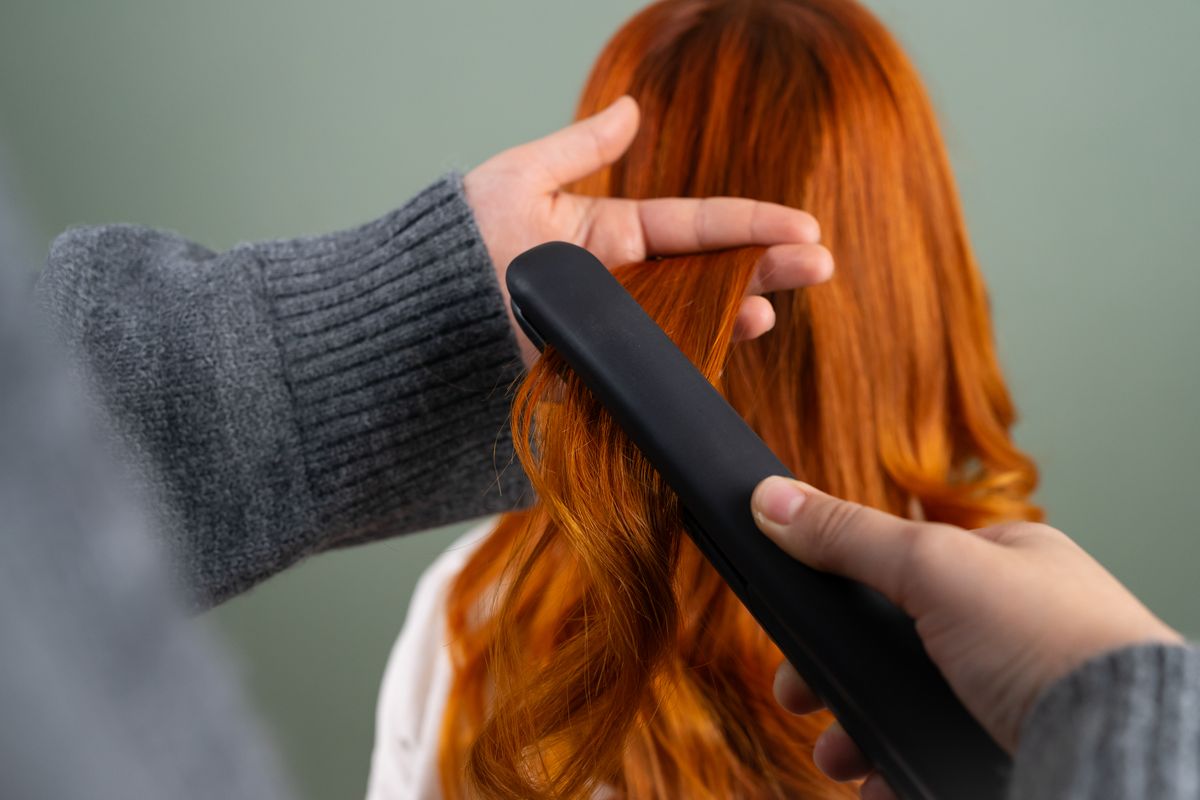
This is the moment that makes keratin different. The flat iron is not a finishing touch, it is the step that seals the treatment into the hair, so the temperature and the technique matter.
The FDA explains that some hair smoothing products can release formaldehyde gas when heated, and that the ingredient list is worth reading. Look for the words formaldehyde, formalin or methylene glycol, and be wary of any product with no ingredient list at all.
The same FDA page says not every smoothing product contains formaldehyde, which is exactly why you should ask. A salon that answers calmly and shows you the bottle is a good sign. A salon that gets vague is not.
Best for: people who are comfortable asking about ingredients and ventilation before booking.
Upkeep: Ask whether the room is well ventilated and whether the stylist wears gloves and protective glasses. It is your health too, not only theirs.
Styling tip: Book the first appointment of the day if you can, when the room has had time to air out.
7. Fine, light hair: choose softness over weight
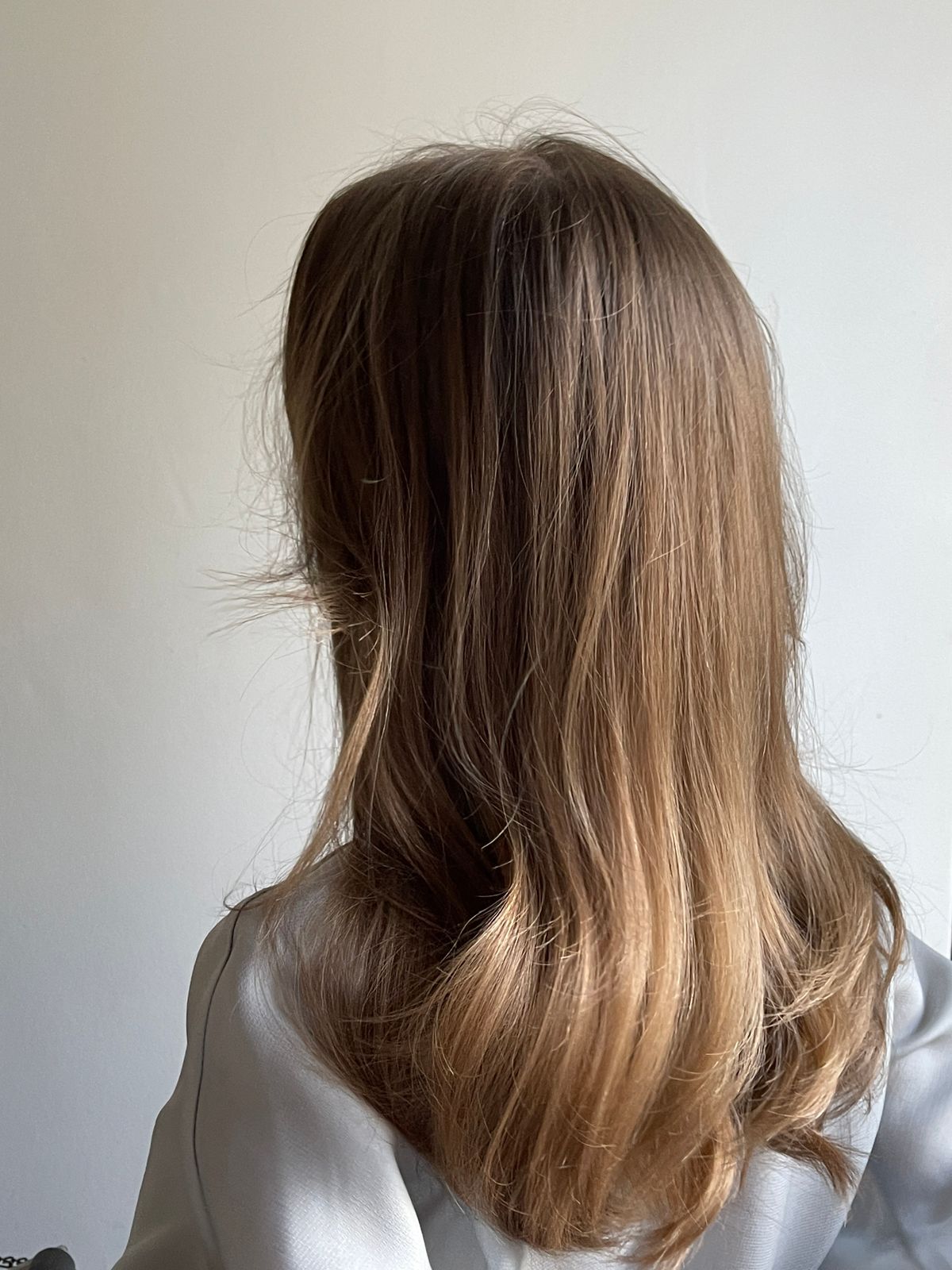
Hair like this, long and light with a natural movement at the ends, can look flat when it is over treated. Fine hair does not need much weight, and some smoothing services can leave it feeling heavy.
For fine strands, hair botox is often the easier choice because it leaves natural movement. If you still want keratin, ask about a lighter formula and a shorter processing approach.
Be honest about your daily routine. If you wash every other day and wear your hair down, you will notice a smoothing change much faster than someone who ties it up.
Best for: fine to medium hair that needs softness more than straightening.
Upkeep: Wash with a gentle shampoo and skip heavy masks. Use a light leave in conditioner on the ends only.
Styling tip: Dry your roots first, then the lengths, so your hair keeps lift at the crown.
8. Very long dark hair: upkeep is half the cost
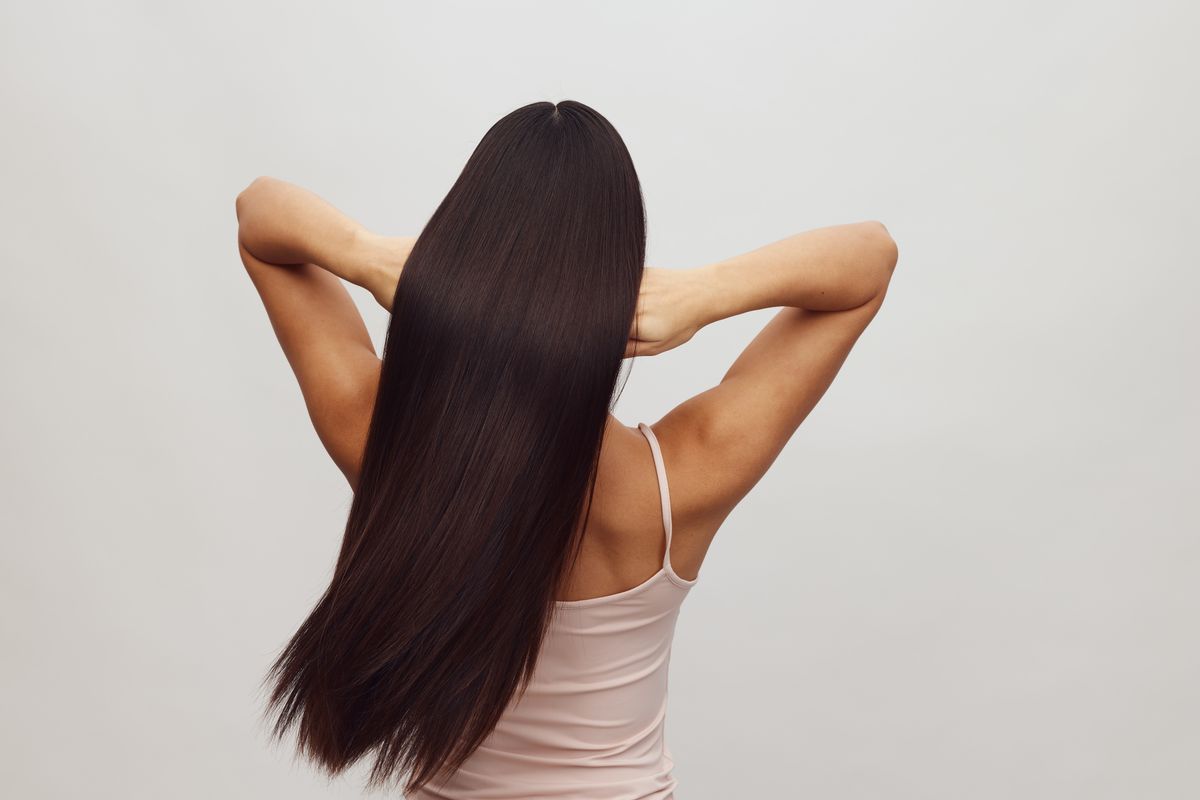
Long hair adds a practical issue: price. Many salons charge by length, so a service that costs $200 on shoulder length hair can climb a lot on hair that reaches this far down the back.
Long dark hair also shows every bit of frizz and every dull patch, so a smoothing service on long hair is very visible. That is a good thing when you love the result and a costly thing when you do not.
Ask for a full quote before you sit down, and ask whether touch ups are priced differently from a first appointment.
Best for: long hair that is tough to blow dry and shows frizz at the ends.
Upkeep: Trim every 8 to 12 weeks, since smoothing services cannot fix split ends.
Styling tip: Sleep with your hair in a loose, low braid or on a silk pillowcase to keep the smooth finish longer.
What to say at the salon (copy and paste this)
“I have [straight, wavy, curly] hair that is [colored, bleached, natural]. My main problem is [frizz, dryness, volume]. Which of keratin or hair botox do you recommend, and why? Can you do a strand test, show me the ingredient list and tell me the flat iron temperature?”
Save that as a note on your phone. It tells your stylist you did your homework, and it makes it much harder to be upsold on the wrong service.
Who should skip each one
- Skip keratin if your hair is very damaged or heavily bleached, you want to keep your natural curl pattern, or you would rather not have a heat sealed chemical service.
- Skip hair botox if your main goal is straight hair, you want months of results, or you expect it to change frizz shape.
- Skip both for now if your scalp is irritated, you have a skin reaction history to salon products, or you just coloured or relaxed your hair very recently.
What it really costs (and what raises the price)
Rough ranges for a standard appointment are around $150 to $500 for keratin and around $100 to $300 for hair botox in the US, and roughly £100 to £300 and £80 to £200 in the UK. Treat these as ballparks, because salons price very differently.
Four things push the bill up: hair length, thickness, the salon’s level and how many hours your stylist needs. Ask for the full quote, including any add on such as a cut or a gloss, before you sit down.
A simple way to compare value is to divide the price by the months of results. A $300 keratin that lasts four months works out at about $75 a month, while a $150 hair botox that lasts six weeks works out at around $100 a month. Your own numbers will differ, but the maths often favours keratin if smoothness is the goal.
What to expect, week by week
- Day 1 to 3: follow your stylist’s rules on washing and tying your hair. Hair may feel stiff or very straight at first.
- Week 1: hair settles and the first wash feels softer. This is when most people fall in love with the result.
- Week 4: hair botox benefits begin to fade, so a mask helps. Keratin still looks strong.
- Week 8: hair botox is mostly gone. Keratin has loosened but usually still smooths.
- Month 3 to 5: keratin fades, and frizz slowly returns to your normal. This is your rebooking window.
How to choose in under a minute
Ask yourself one thing: do I want my hair to behave differently, or do I want it to look and feel better as it already is? If it is the first, keratin. If it is the second, hair botox.
If you honestly want both, speak to your stylist about spacing them out. Some stylists suggest starting with a conditioning service to see how your hair reacts before committing to the heat step.
Already thinking about your next cut? Our guide to the French bob vs Italian bob shows how a smooth finish changes the way a bob falls, and our caramel highlights post covers colour you can pair with a conditioning service.
Save this: keratin vs hair botox decision chart
Screenshot it, print it or keep it on your phone for your next salon visit. It has the key differences, the cost ranges and the five questions to ask before you say yes.
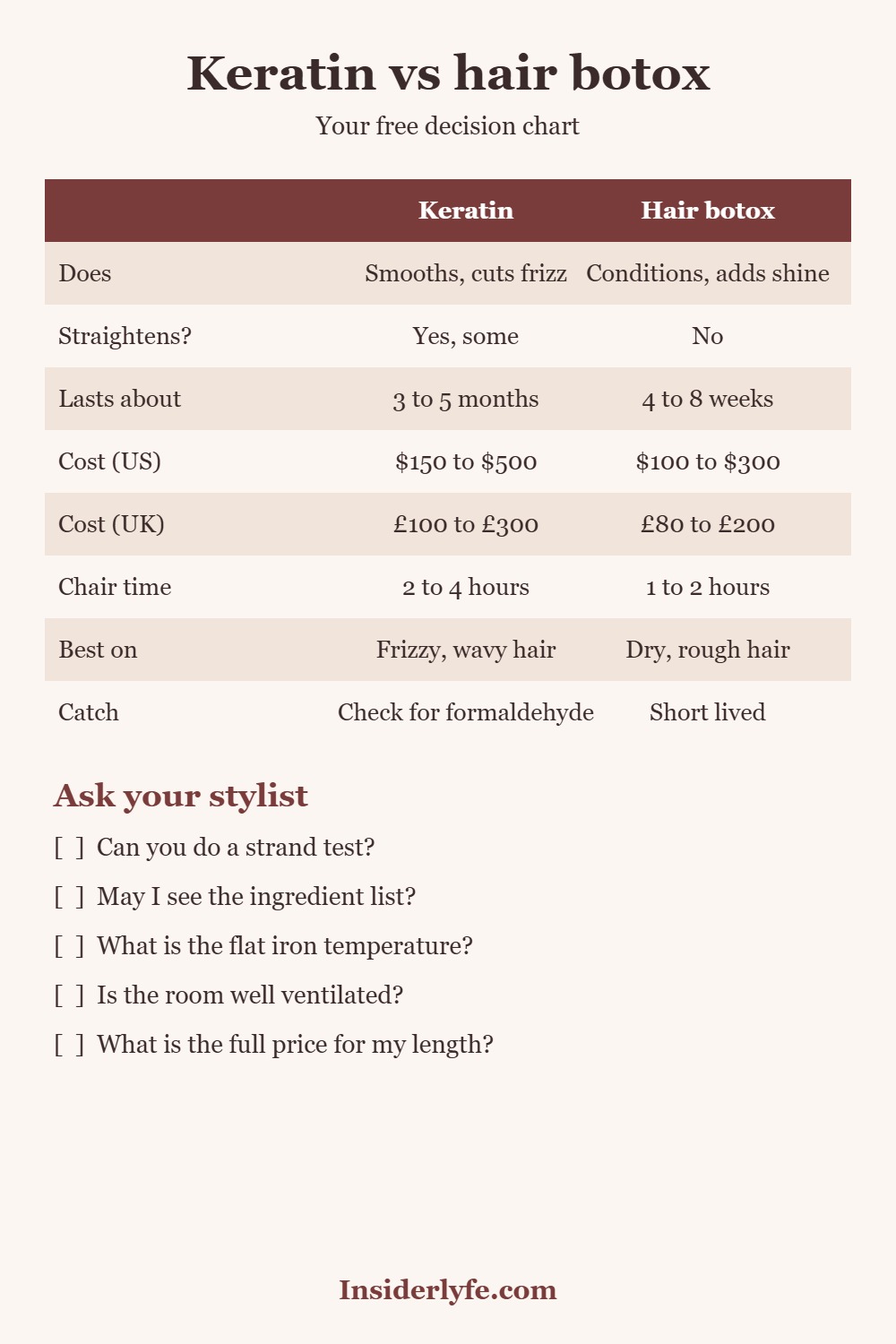
Download the full-size chart (free, no email needed)
Frequently asked questions
Is hair botox the same as Botox injections?
No. Hair botox is a conditioning treatment, and it does not contain botulinum toxin. The name is marketing for a filling effect that makes hair look smoother and shinier.
Will keratin damage my hair?
It depends on your hair, the formula and the heat used. Healthy hair usually handles it well, while very fragile or bleached hair needs a stylist who is willing to test first and say no if needed.
Can I get both treatments?
Many people do, at different times. Ask your stylist to plan the order, because heat and product layers can affect each other.
How long should I wait before washing?
Follow your stylist’s exact instructions, since formulas differ. A common rule for keratin is a couple of days before the first wash, and that is the time to ask about it.
Which one is better value?
Per month of results, keratin often wins because it lasts longer, even though the upfront price is higher. Hair botox is the better value if what you want is a short term glow.
Final thoughts
Pick keratin for change and hair botox for repair. Take the printable chart to your appointment, bring your questions and do not rush the consultation.
Which one are you leaning toward, and what is your biggest hair frustration right now? Tell us in the comments and we will help you pick.
Related Post