
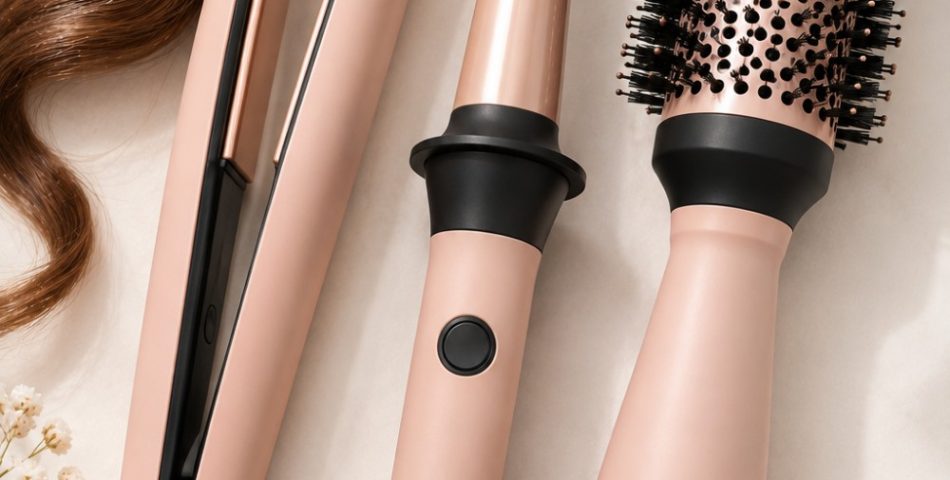
Please note that we do not create all the designs featured in this article. Our primary focus is to curate and collect a diverse range of design collections and products to inspire and share with our audience. While we do not claim ownership or take full credit for the original designs and images, we occasionally make minor adjustments, particularly in home decor and fashion items, to present them more effectively. Additionally, we may produce and edit images to enhance their quality and composition before sharing them on our Pinterest page or website. For the design work we do on these creative designs, we also include our logo on the images shared on Pinterest and our website. This helps our audience recognize that these designs have been published on insiderlyfe.com!
Three tools, three promises: sleek and glassy, bouncy and curly, smooth and full of body. Yet most of us own one of them, use it for everything, and wonder why our hair never looks like the photo.
The truth is that a flat iron, a curling wand and a hot brush are not interchangeable. Each one shapes your hair in a different way, suits a different texture, and asks for a different skill level. Pick the wrong one for your hair and your morning turns into an argument with a mirror.
This guide breaks down all three side by side, with honest opinions, a free cheat sheet, a salon script, and a plain look at heat damage so your hair stays healthy. Don’t miss the heat protectant section near the end. It is the one step that makes all three tools safer to use.
Quick warning from me, a person who has been burned by a straightener more than once: read the safety notes before you plug anything in.
Flat iron vs curling wand vs hot brush at a glance
| Tool | What it does | Best for | Skill level | The catch |
|---|---|---|---|---|
| Flat iron | Presses hair between hot plates for a sleek, straight finish or flat waves | Medium to thick hair, long lengths, straight styles | Easy to start, curls take practice | Direct contact heat on every strand |
| Curling wand | Wraps hair around a tapered barrel for defined curls and waves | Medium to long hair of any texture | Medium, needs practice with sections | Fiddly on short hair and slow on thick hair |
| Hot brush | Blows hot air through a round brush as you brush damp hair | Fine to medium hair, layers and bangs | Easiest, like brushing | Less sleek than a flat iron, and arm fatigue is real |
Think of the flat iron as the finisher, the wand as the curler, and the hot brush as the all in one blowout. If you only buy one, choose by the style you wear most often.
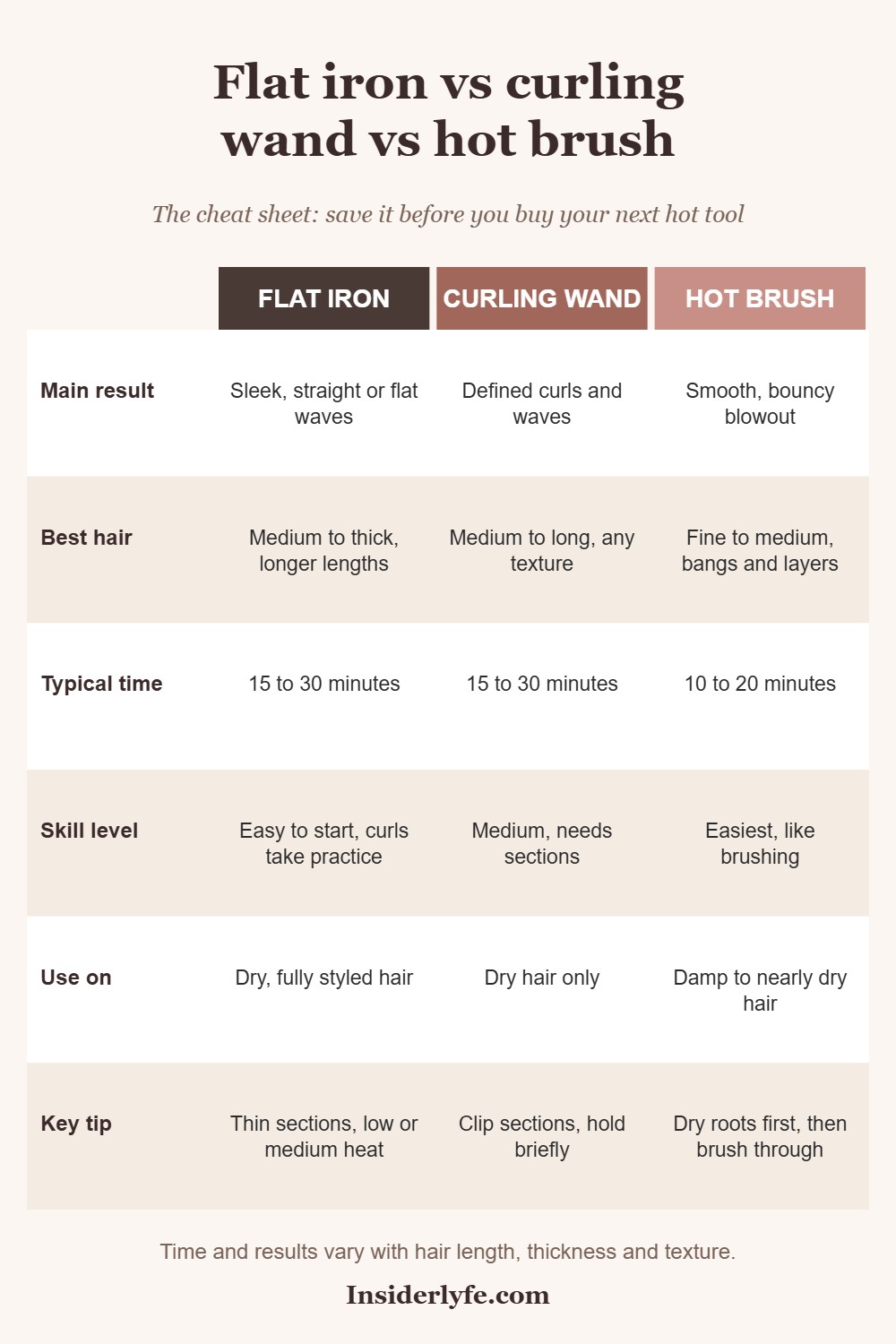
Download the full-size chart (free, no email needed), then keep it on your phone for your next hot tool shopping trip.
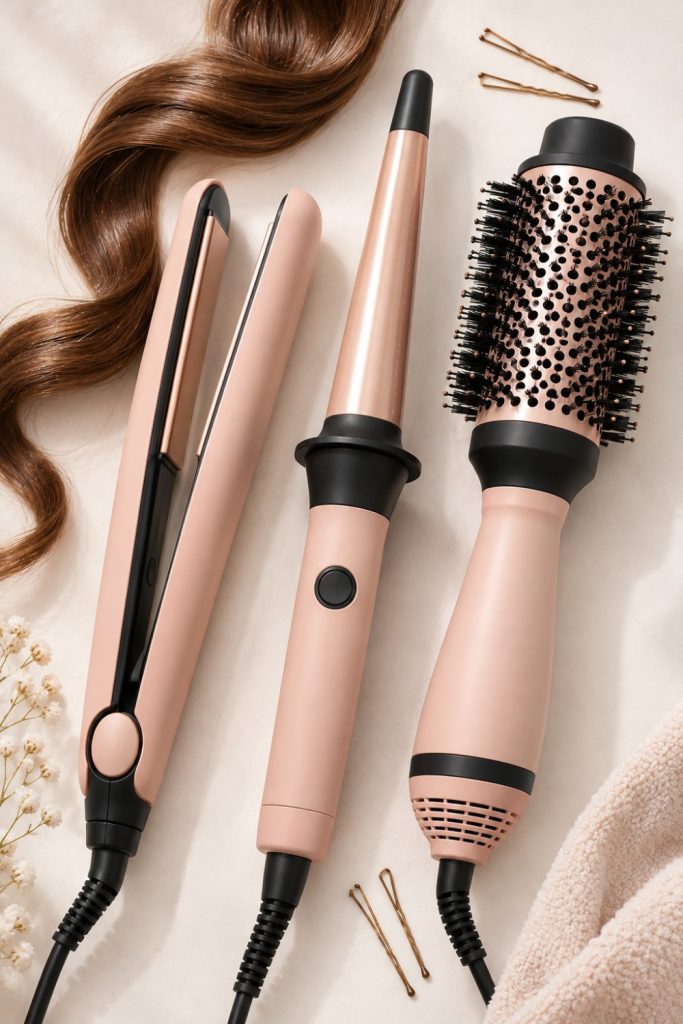
Those three on the table are the classic trio. A slim flat iron for sleek lines, a tapered wand for curls, and a round hot brush for volume and smoothness. You do not need all three, but it helps to know what each one is really for.
Flat iron: sleek, straight and surprisingly versatile
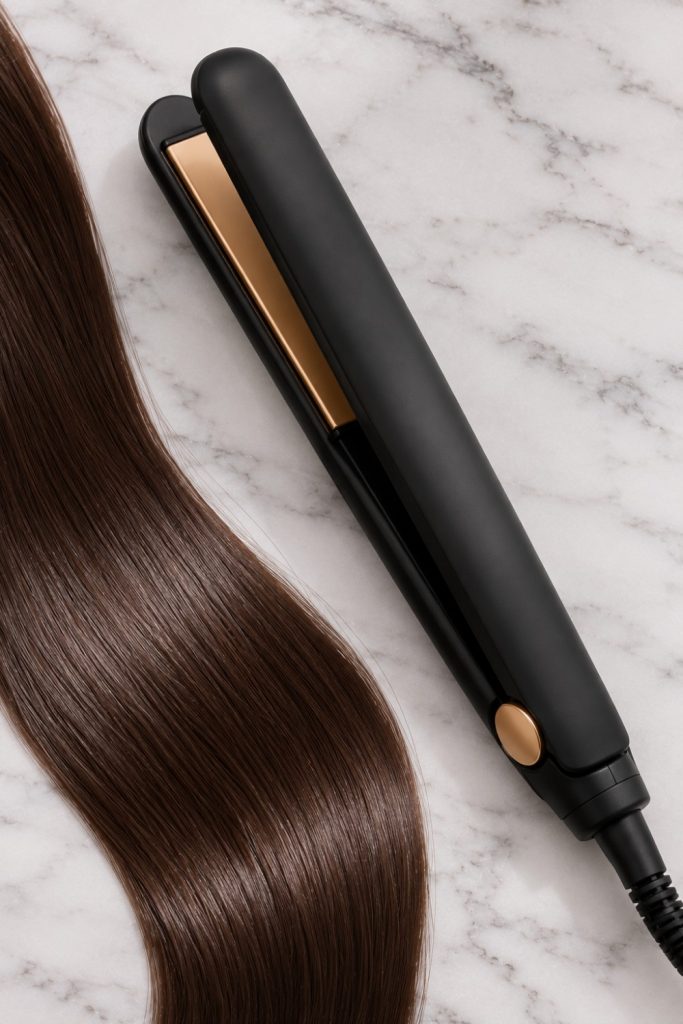
A flat iron clamps your hair between two heated plates and glides down the length. The result is smooth, shiny, straight hair that looks like you spent an hour at a salon. It is also the tool most people use for waves, which sounds odd until you try it.
It is the best choice for medium to thick hair, and for anyone who wants a polished, straight look that lasts. It also works as a quick smoother on bangs and the front pieces of a blowout.
Best for: sleek straight hair, bobs, long layers, and a smooth finish after a blow dry.
Skip it if: your hair is very fine or bleached and fragile. Direct contact heat is the hardest on weaker strands.
Styling tip: work in thin sections and make one smooth pass instead of several. Going over the same piece again and again is the quickest way to damage it.
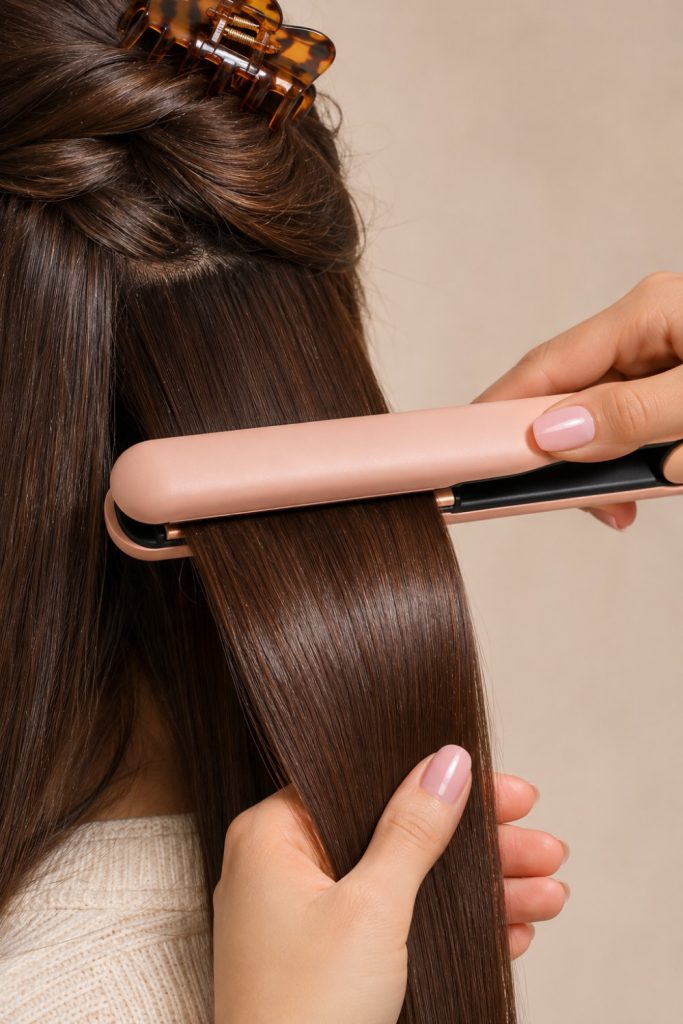
Sectioning is the secret. Clip the top half of your hair out of the way, straighten the bottom layer, then release the next layer. It takes the same time as working randomly, and the finish looks far more even.
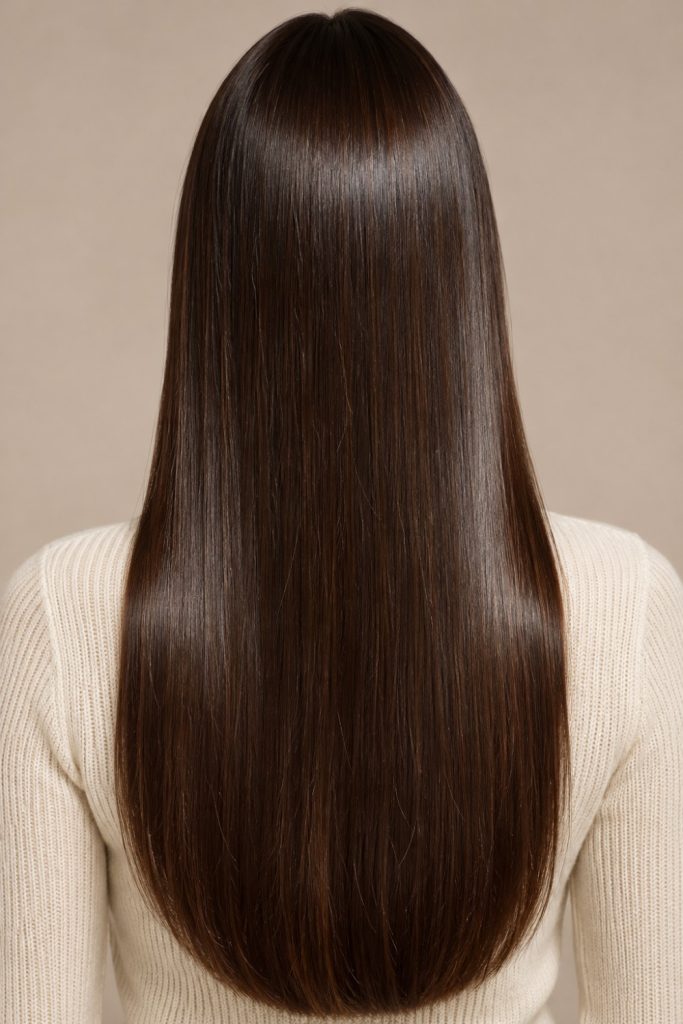
That glassy back is what a well-done flat iron session looks like: no frizz, no kinks, no dull ends. If your straight hair still looks puffy, you probably need a smaller section and a slower pass, not a hotter setting.
Curling wand: defined curls with no clamp
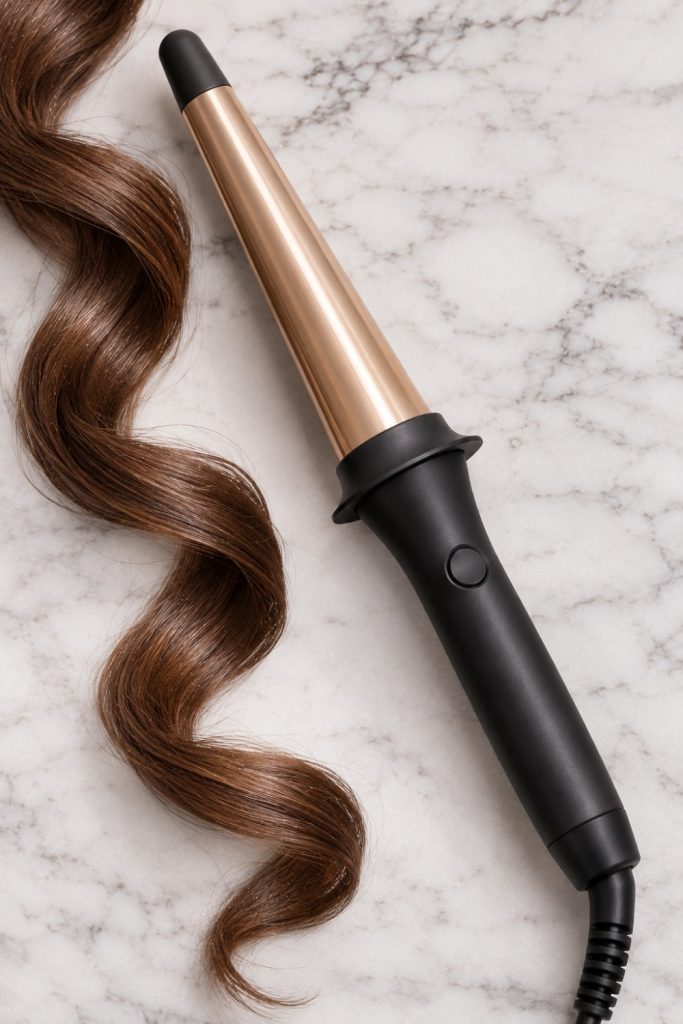
A curling wand is a tapered barrel with no clamp. You wrap a section of hair around it, hold for a few seconds, and release. The taper creates curls that look more natural than the uniform ringlets of a classic clamp iron.
It is also the tool that makes the most dramatic difference, because curls change the shape of your hair. Wands come in different barrel widths. A thinner barrel makes tighter curls, and a wider one gives loose waves.
Best for: loose curls, glam waves, and curls that hold their shape for a night out.
Skip it if: you hate sectioning, or your hair is very short. Wands need some length to wrap around.
Styling tip: curl away from your face for an open look, and always let the curl cool in your hand before you let it go. Letting a curl cool is what makes it stay.
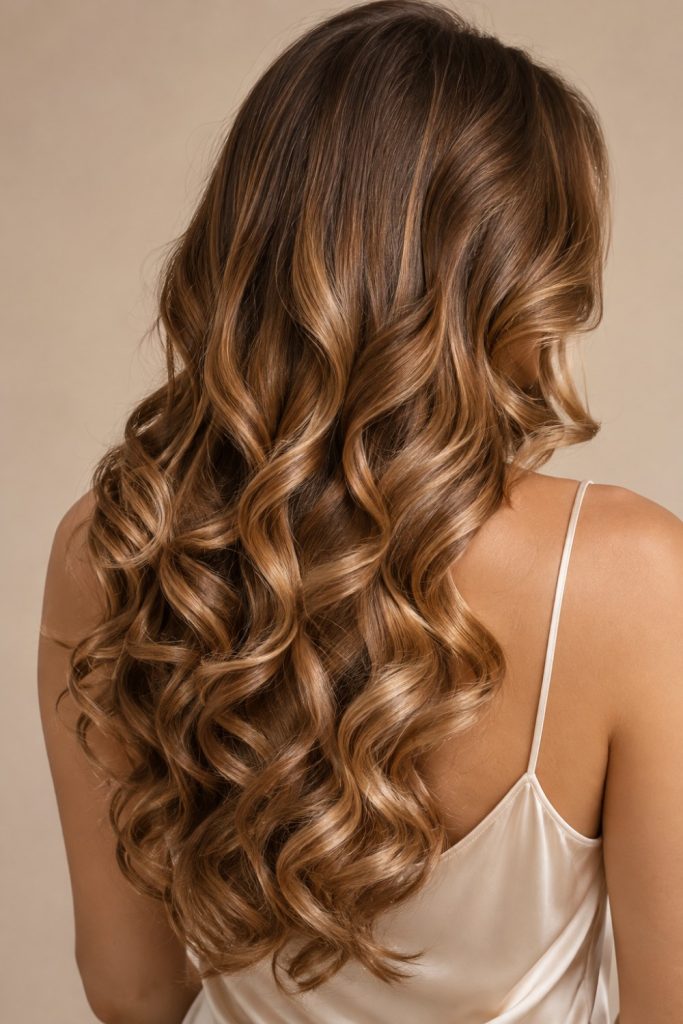
This is the payoff: bouncy, glossy curls with clear definition. Brush them out gently with your fingers and you get a softer, fuller wave that lasts a day or more.
Hot brush: the easy blowout in one tool
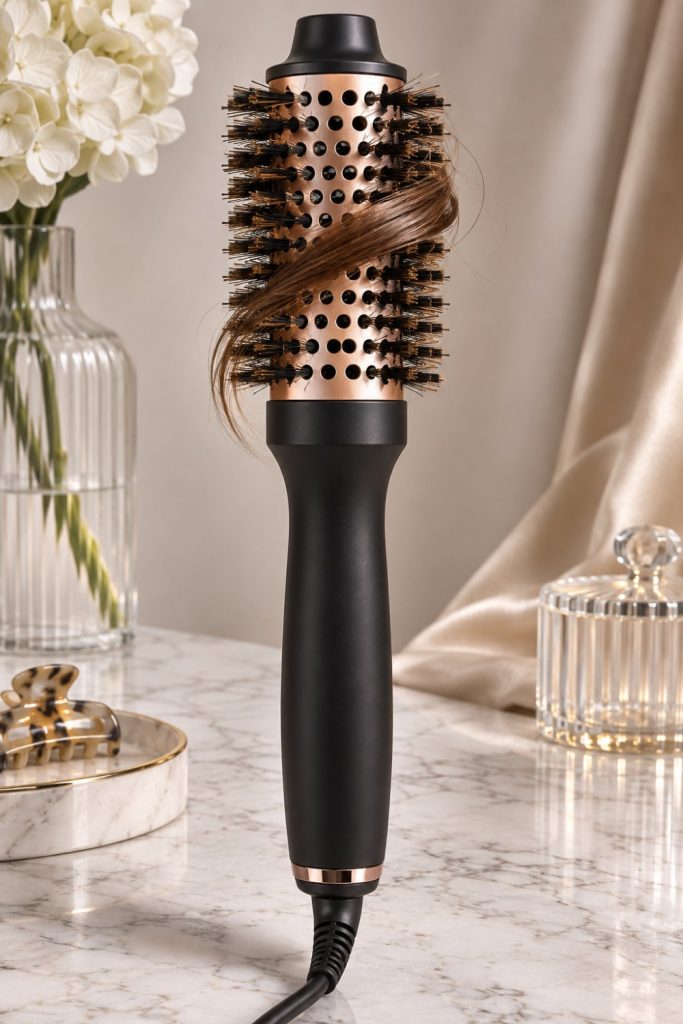
A hot brush, sometimes called a hot air brush or a dryer brush, is a round brush with a built-in dryer. You brush damp hair section by section, and the hot air dries and shapes it at the same time. Think of it as a blowout for people who do not own a round brush and a dryer and a third hand.
It is the friendliest tool of the three. If you can brush your hair, you can use one. It is especially good for fine and medium hair, layers and bangs, because it adds volume at the roots and a gentle curve at the ends.
Best for: quick weekday styling, face-framing layers, curtain bangs, and a bouncy finish with volume.
Skip it if: you want pin-straight glass hair or tight curls. A hot brush gives you smooth and bouncy, not sleek and not defined.
Styling tip: start with hair that is damp, not soaking, and dry the roots first. Brushing wet hair is slow and puts more strain on it.
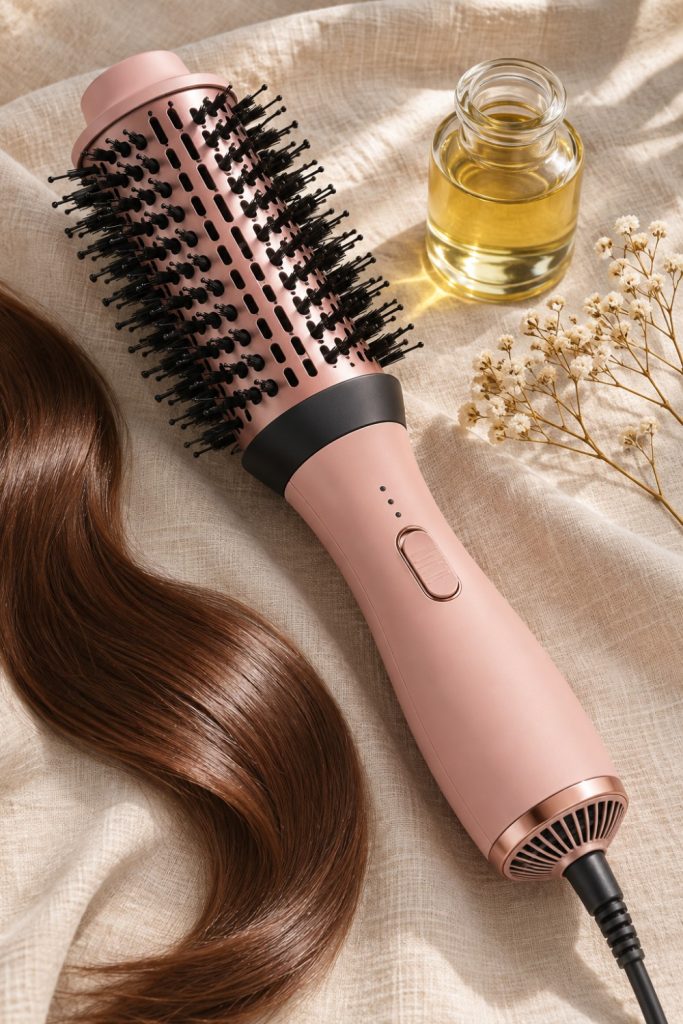
A lightweight oil on the ends before you blow dry can help the brush glide. Keep it light, though. Too much product makes hair look flat and greasy by lunchtime.
If you wear layers, a hot brush is your best friend. Our guide to layered curly haircuts shows how layers sit when they are styled with volume and curl, and the money piece hair ideas are a good reason to learn how to style the front sections well.
The heat protectant step you cannot skip
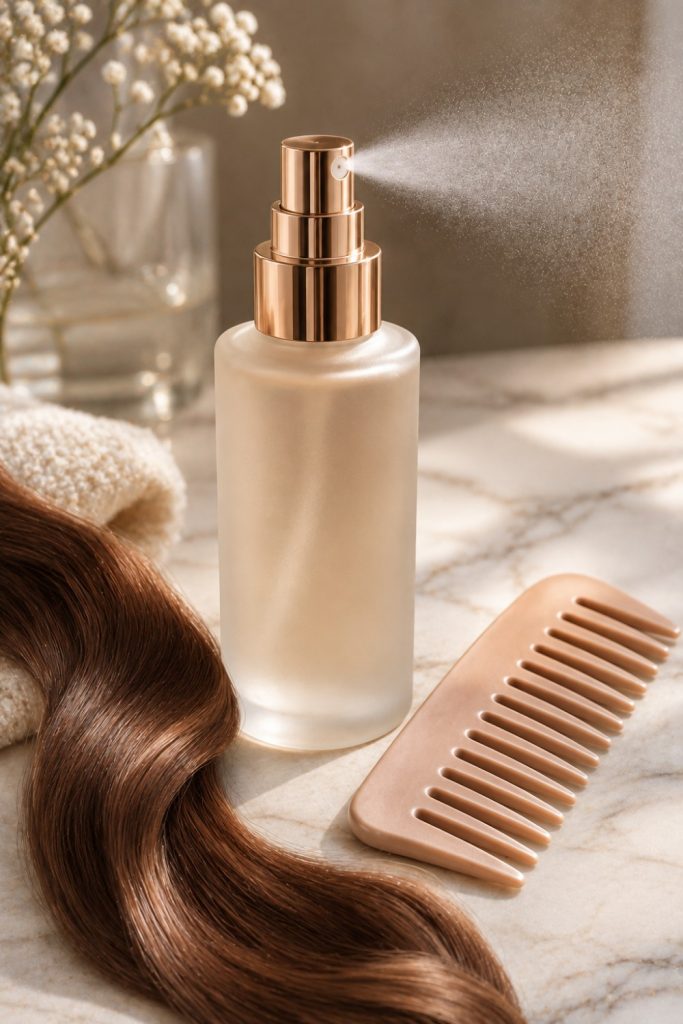
Whichever tool you pick, a heat protectant is non-negotiable. It coats the hair, slows down moisture loss and helps your style slide through without snagging. Spray it on damp or dry hair, comb it through, and let it settle before you add heat.
The American Academy of Dermatology tells readers that excessive heat can damage hair and advises limiting blow drying and use of flat or curling irons, using low or medium heat, and using a product to protect hair from heat, in its tips for healthy hair. Its list of hair care habits that can damage your hair goes further and suggests keeping hot tools like hot combs and curling irons to about once a week or less.
I know that sounds strict if you style daily. The takeaway is not to live without your tools. It is to use the lowest heat that works, keep passes to a minimum, and give your hair days off.
- Start low. Raise the temperature only if the style does not hold.
- Always use a protectant. Every time, on every section.
- Work on dry hair with irons and wands. Damp hair and hot plates are a bad combination.
- One pass per section. Repeated passes are where the damage happens.
- Give hair a break. Plan a few heat-free days each week, and use a mask now and then. Our DIY hair masks are a gentle place to start.
Which tool suits your hair type
Hair type matters more than the tool brand. Here is a quick guide to which tool tends to suit which kind of hair.
| Hair type | Best first pick | Why |
|---|---|---|
| Fine, straight | Hot brush | It adds volume and gentle bend without pressing the hair flat |
| Fine, wavy | Hot brush or wand on low heat | You can enhance waves and keep the lift |
| Thick, straight | Flat iron or wand | Both handle the weight and hold a shape |
| Thick, wavy or curly | Flat iron for smoothing, hot brush for stretch | Smooth the frizz first, then shape with the brush |
| Coily or very textured | Hot brush on low heat for stretching, then a flat iron with care | Stretch first so you use less heat later |
| Color treated or bleached | Hot brush on low heat | Less direct contact, and always use a protectant |
If you are not sure, start with the tool that has the smallest learning curve, which is the hot brush. You can graduate to the iron or the wand once you know how your hair responds.
Beachy waves: the style all three tools can do
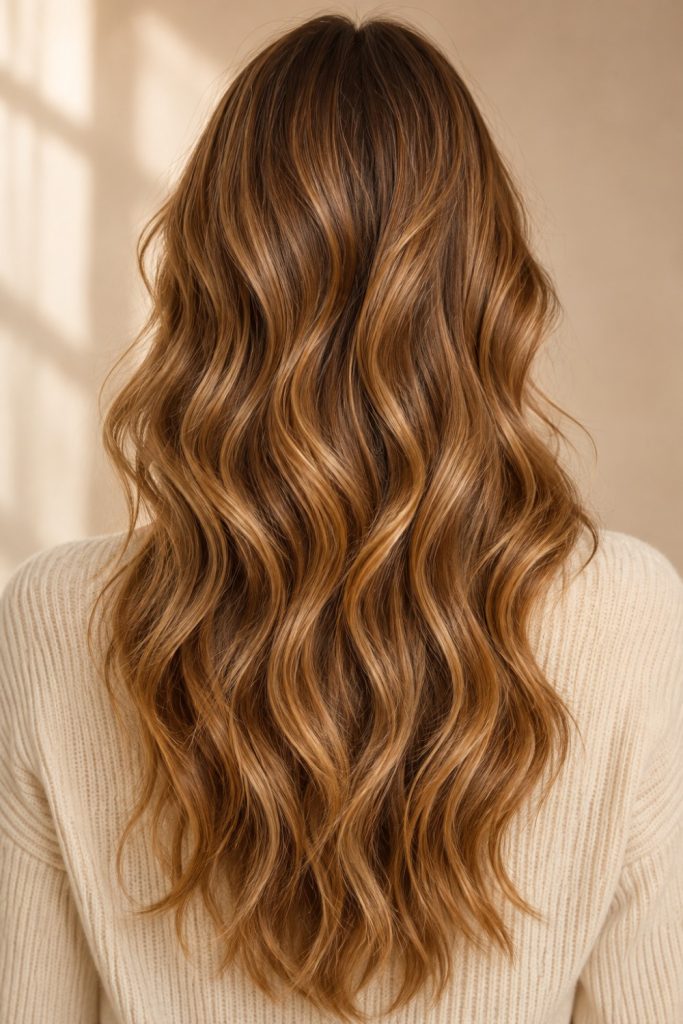
Waves are the great equalizer. You can make them with a flat iron by twisting the section as you glide, with a wand by wrapping loosely and leaving the ends out, or with a hot brush by rolling the ends under and lifting. Each tool gives a slightly different result.
- Flat iron waves: flatter, more modern and beachy. Twist the section half a turn and glide.
- Wand waves: rounder and more polished. Wrap, hold for a few seconds, release.
- Hot brush waves: soft and bouncy. Roll the brush under on the ends and let the hair cool.
For a bob, our French bob vs Italian bob guide has looks that suit a flat iron or a hot brush perfectly, and the winter bob haircuts are a good source of ideas for the colder months.
Step by step: a simple routine for each tool
Flat iron straight
- Prep clean, completely dry hair with a heat protectant.
- Clip the top half of your hair up and start with the bottom layer.
- Take thin sections, clamp near the root, and glide down in one smooth pass.
- Release the next layer and repeat, finishing with the front pieces.
Curling wand curls
- Spray protectant on dry hair and divide it into four sections.
- Hold the wand vertically and wrap a one inch section around the barrel, away from your face.
- Hold for a few seconds and release, letting the curl cool in your palm.
- Finish with your fingers instead of a brush for softer waves.
Hot brush blowout
- Towel dry until hair is damp, not dripping, and spray protectant.
- Dry the roots first by lifting and brushing away from the scalp.
- Take sections, place the brush at the root and roll it through to the ends.
- Roll the ends under for a bevel and hold the cool shot for a few seconds to set it.
Short, medium or long hair: how length changes the choice
Length changes what is practical. On long hair, all three tools work, though a wand takes patience because there is simply more hair to wrap. On medium hair, you can switch between all three without much trouble, which is why a collarbone cut is the easiest length to experiment with.
On short hair, a hot brush with a smaller barrel is the safest bet for volume and bend, and a mini flat iron is brilliant for bobs and for smoothing the ends. A wand tends to be awkward under about chin length, since the hair has nothing to wrap around.
- Short (chin or above): small round hot brush or a slim flat iron.
- Medium (collarbone): any of the three, so choose by the style you want.
- Long (past the shoulders): a wand for curls, a flat iron for sleek and waves, a hot brush for an everyday finish.
How to make your style last longer
A style that falls flat by lunch is the most common complaint, and it is rarely the tool’s fault. Heat sets the shape, but cooling locks it in, so the habits around the tool matter more than the temperature.
- Let it cool. Curls and waves should cool completely before you touch them. Pin a curl up for a minute if you can.
- Go light on product. Heavy creams weigh curls down. A light mousse before heat and a flexible hold spray after is plenty.
- Skip brushing curls. Use your fingers. A brush pulls the shape out.
- Protect it overnight. A loose bun on top of the head or a silk scarf keeps a style going for another day.
- Refresh, do not redo. Dry shampoo at the roots and a quick touch up on the front pieces is better than another round of full heat.
These small habits mean fewer heat sessions per week, which is exactly what dermatologists suggest, and your style looks better because of it.
Mistakes that damage hair or ruin the style
- Using the highest heat every time. More heat does not mean a better result.
- Skipping heat protectant. Even a quick style benefits from it.
- Taking big sections. The heat cannot reach the middle, so you pass again and again.
- Using irons on damp hair. That creates steam and can damage the strand.
- Never cleaning the tool. Product builds up on plates and barrels and snags hair. Wipe them clean when cool.
- Curling every day. Use texture spray and dry shampoo to extend a style by a day or two.
What to say at the salon
Hi, I want a style I can recreate at home in about 15 minutes. My hair is medium thick and a little frizzy, and I do not want to use too much heat. Could you show me how to get a soft wave with a flat iron or a hot brush, and which heat protectant you would use on my hair?
Ask the stylist to show you the technique on one section, so you can see the hand position and the speed. A thirty second demo is worth ten videos.
Budget vs splurge
Good hot tools come at every price. Splurging helps when you want even heat, adjustable temperatures and ceramic or tourmaline plates, since cheap ones can have hot spots. If you use your tool only a few times a week, a mid-range model with temperature control is plenty. Whatever you buy, make sure it has adjustable heat. A tool with one hot setting is a tool that will damage your hair.
Spend on the tool you will use most, and always on a good heat protectant. If you are also thinking about longer term smoothing, our comparison of keratin treatment vs hair botox explains the salon route.
Flat iron vs curling wand vs hot brush: quick FAQ
Which tool is least likely to damage my hair?
Any tool can damage hair if you use too much heat or too many passes. A hot brush uses hot air instead of pressed plates, so many people find it gentler, but low heat and a protectant matter most with all three.
Can I curl my hair with a flat iron?
Yes. Twist the section as you glide or wrap it around the plates. It makes flatter, beachier waves than a wand.
Which tool is best for short hair?
A small flat iron or a small round hot brush. Wands need length to wrap around.
Do I need a heat protectant with a hot brush?
Yes. Hot air still dries the hair, so a protectant helps.
How often can I use hot tools?
Less often than most of us do. The American Academy of Dermatology suggests limiting heat styling and keeping hot combs and curling irons to about once a week or less.
Save this for later
Download the cheat sheet above and save it to your phone. Next time you stand in the hair tool aisle, you will know exactly which one to pick up.
If you liked this, read our guide to updo hairstyles for winter parties, because they look best on hair you have just styled.
Now tell me: are you team flat iron, team wand or team hot brush? And what is the one tool you could never give up?
Related Post